International style
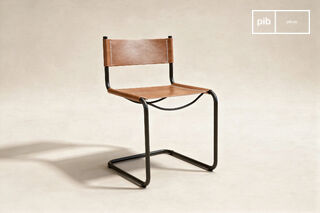
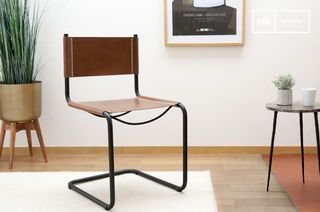
The International Style category brings together furniture based on the rational modernist aesthetic developed in the years 19201950. Simple volumes, orthogonal lines, visible structures and industrial materials define the contours. Tubular steel, leather, curved wood and glass are used to produce standardized shapes, with no added decoration. The International Style emphasizes function, universal design and formal clarity. It enables a space to be laid out according to a modular logic, while maintaining a fluid, unadorned look.
read more >Filters
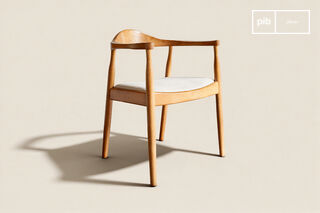
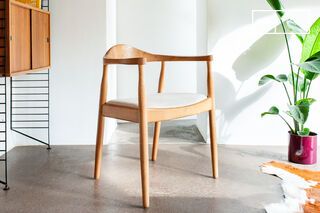
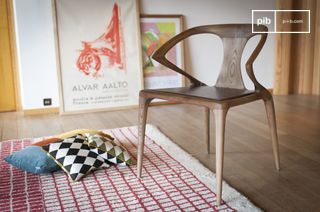
Scandinavian chair in light woodJohannes
€245 €195-20%
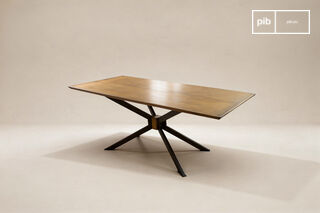
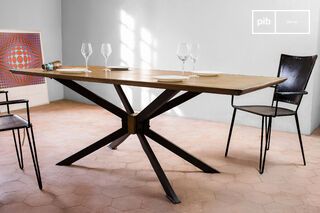
Brass dining tableLiverpool
€1495 €1300-15%
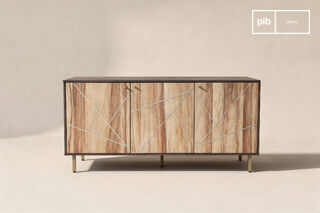
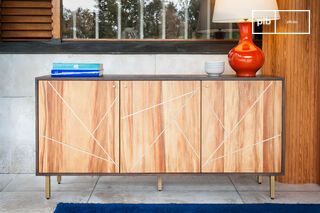
Scandinavian wooden buffetLinéa
€895 €715-20%
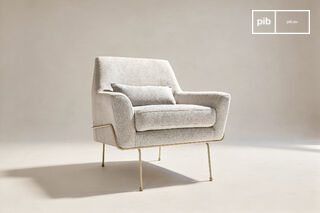
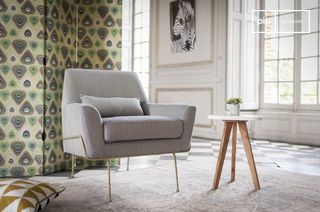
Fabric lounge armchairHilda
€495 €410-15%
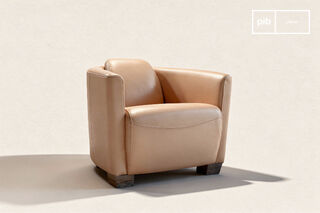
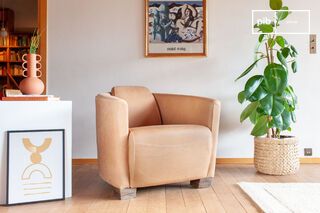
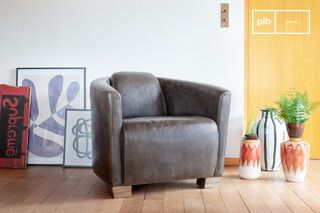
Camel leather armchairRed Baron
€1080 €860-20%
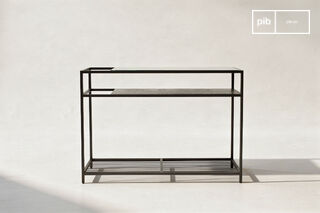
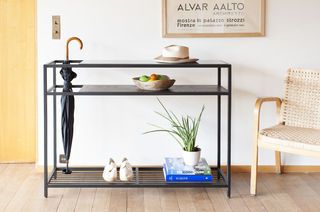
Black marble console tableNoora
€565 €450-20%
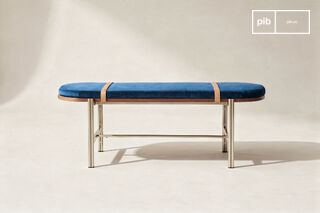
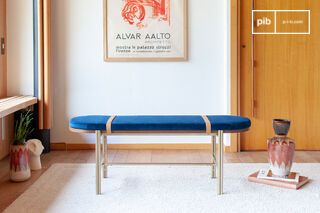
Blue velvet benchAurora
€395 €315-20%
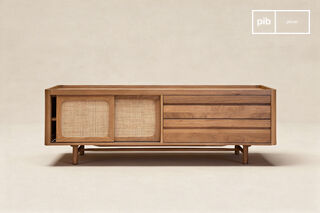
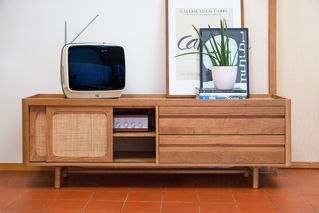
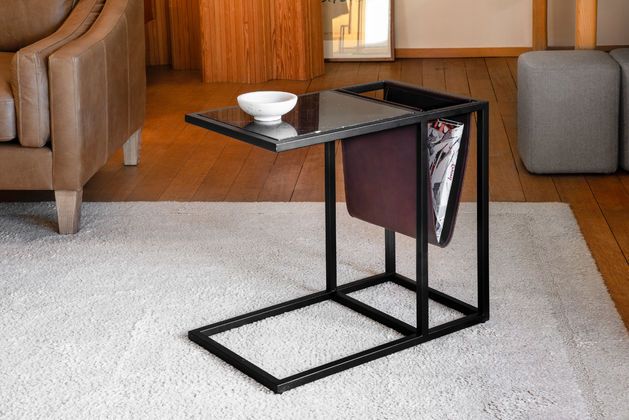
Marble magazine tableNoora
€325 €260-20%
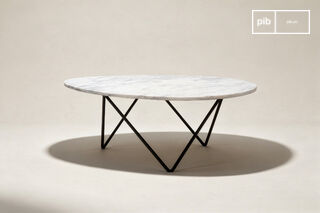
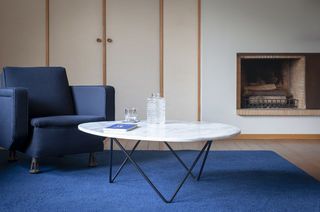
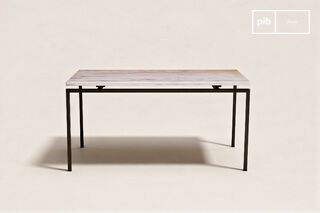
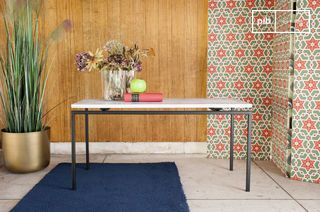
White marble coffee tableVarmalio
€365 €290-20%

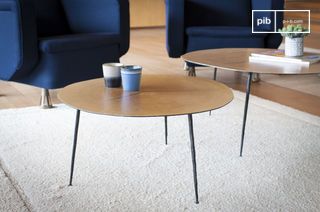
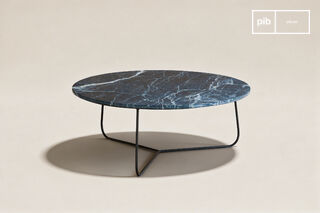
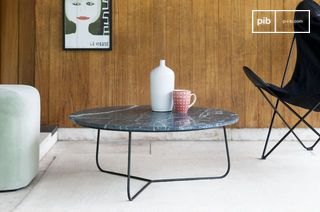
Green marble coffee tableVertü
€595 €535-10%
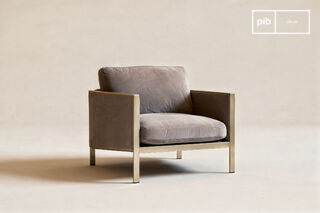
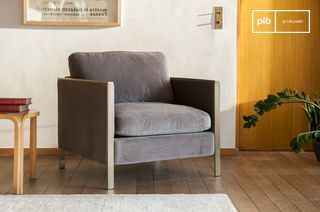
Gray velvet armchairBrompton
€880 €790-10%

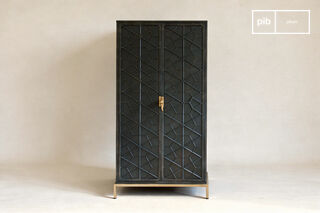
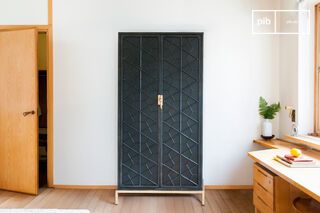
Black metal wardrobeLennon
€1980 €1550-20%
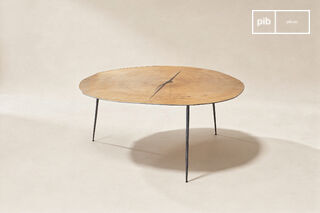
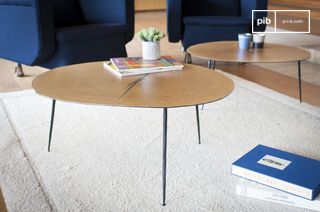
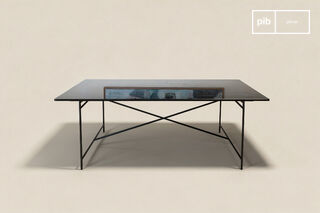
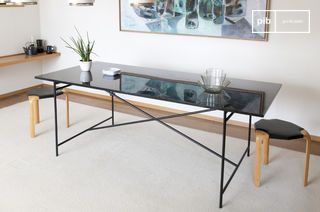
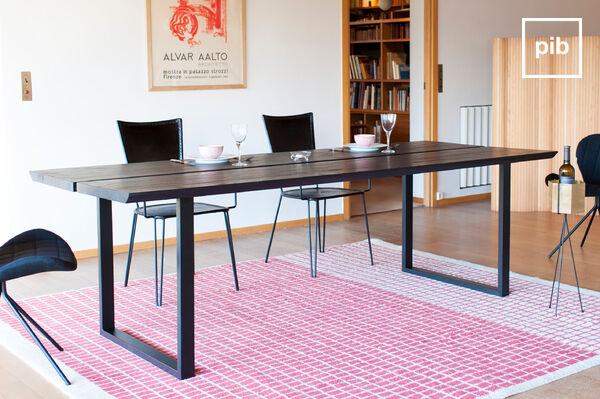
Black marble tableThorning
€1580 €1250-20%
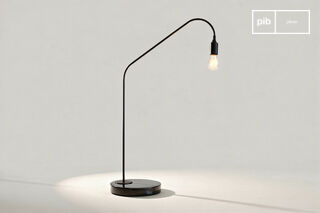
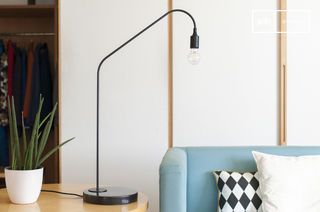
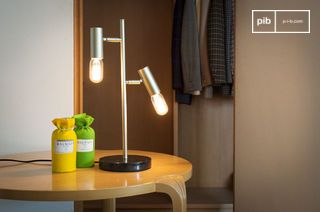
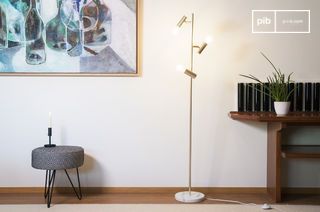
Black table lampMogens
€195 €155-20%
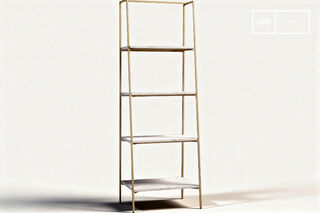
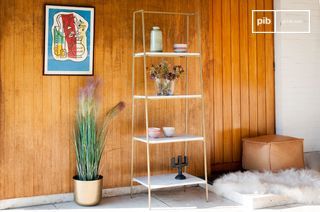
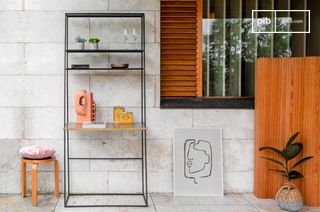
Four-tier marble shelfBylille
€1380 €1100-20%
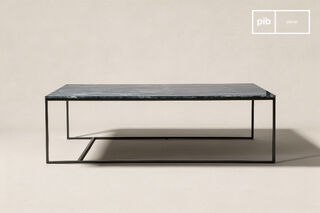
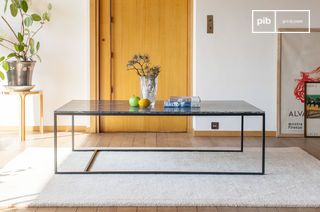
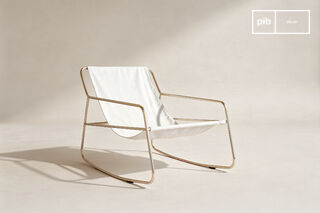
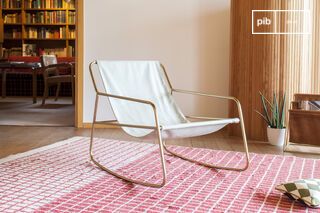
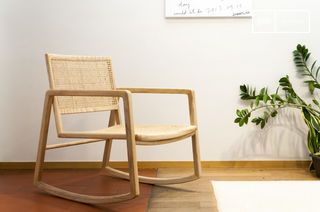
Scandinavian rocking chairLund
€540 €430-20%
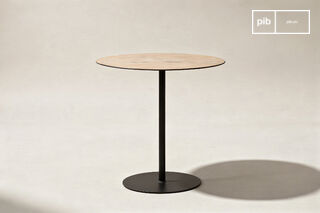
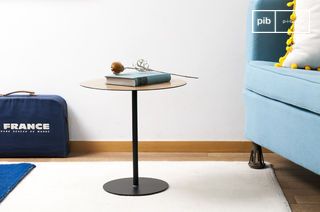
Small round side tableXylème
€260 €205-20%
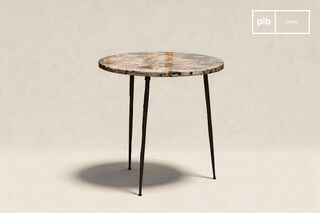
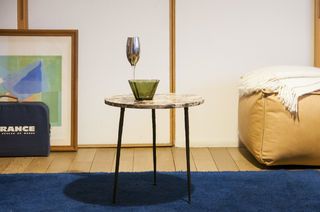
Marble side tableVilma
€250 €200-20%
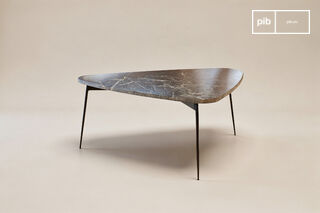
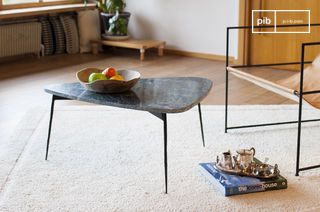
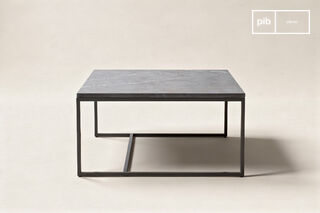
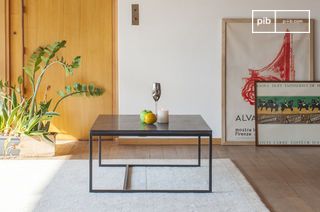
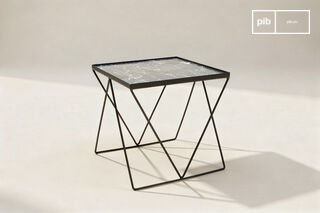
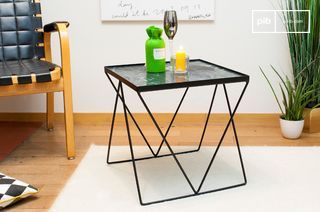
Small green marble tableBumcello
€260 €230-10%

International Style: formal principles and spatial rationality
The International Style appeared in the 1920s with the European architectural avant-gardes, then spread worldwide in the following decades. It is based on an elimination of ornamentation, an emphasis on structure, and an industrial production logic. Furniture in this category is designed from repeatable modules, with simple geometric forms. The overall emphasis is on standardization and functionality. This translates into straight lines, orthogonal planes and objects that are often self-supporting, able to fit freely into different built contexts.
Materials used and surface treatment
Furniture falling within the International Style mainly uses materials derived from industry: chromed steel, aluminum, multi-ply wood, stretched leather, clear or sandblasted glass. Structures are often exposed, welds visible, fasteners legible. Surface treatments aim for legibility rather than decorative finish: matte varnish, plain lacquer, absence of molding. The material approach engages a direct reading of the object, with no internal hierarchy between function and form. Each piece of furniture retains a structural clarity that enables an immediate understanding of its function and optimal positioning in space.
Agency and compatibility with contemporary interiors
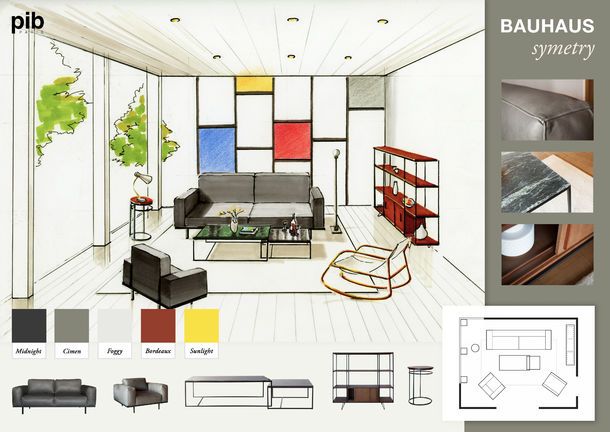
The International Style proposes a method of visual organization based on alignment, repetition and grid. This allows great flexibility in layout: furniture is not dependent on a fixed décor, and can be moved or recomposed without altering the overall balance. This furniture is particularly well-suited to open spaces, where it structures use through simple, non-decorative visual cues. It also fits in with more mixed environments, provided that a clear hierarchy is maintained and material dispersal is limited. Natural or diffused lighting is all it takes to enhance its lines and volumes.
The International Style is based on a coherent functional and formal logic, allowing for legible, evolving interiors without graphic overload. It favors spatial continuity through stable objects, thought to last without referring to a local or temporary style.