Mid-century modern
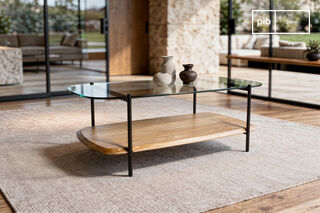
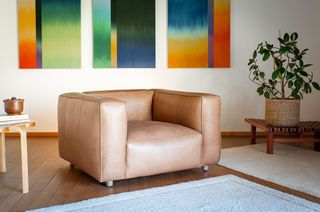
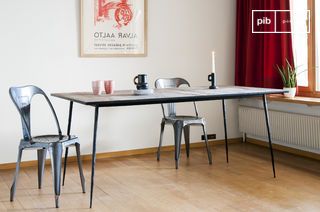
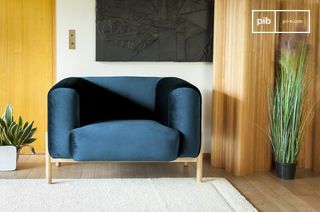
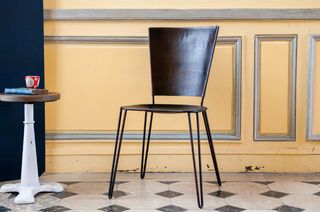
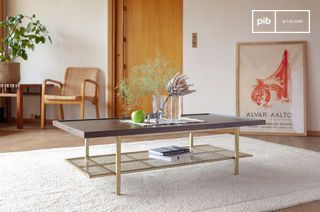
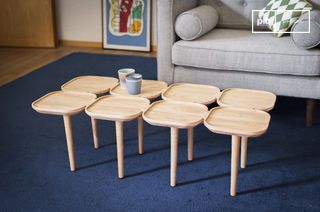
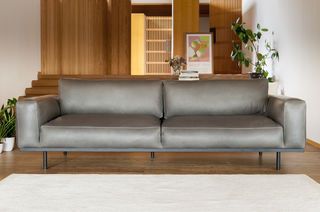
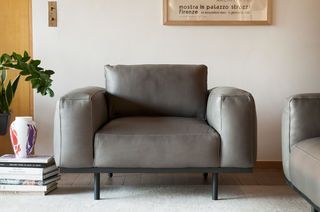
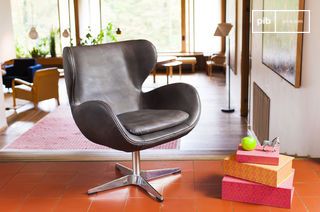
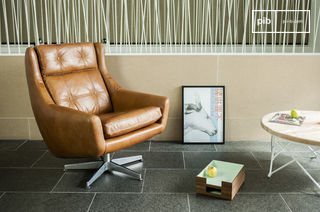
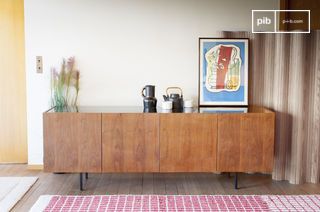
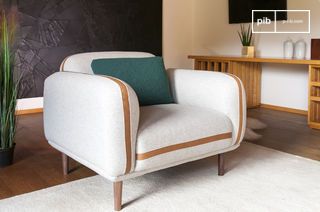
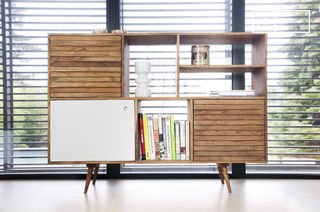
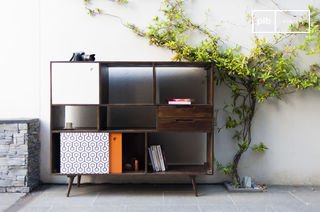
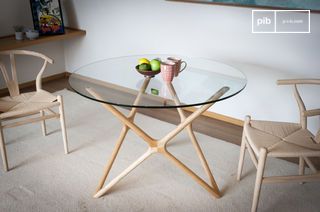
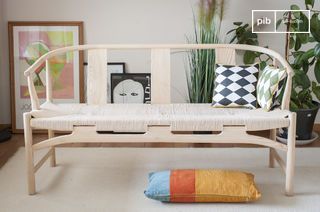
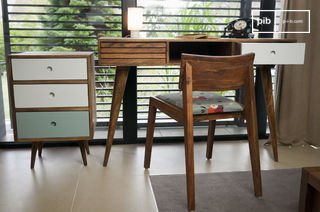
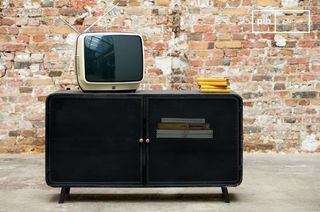
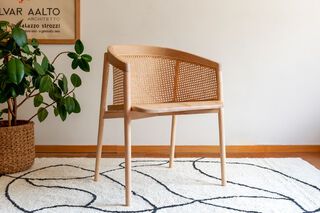
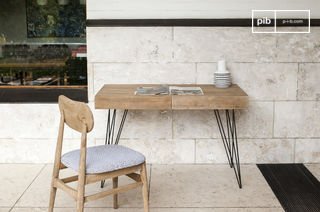
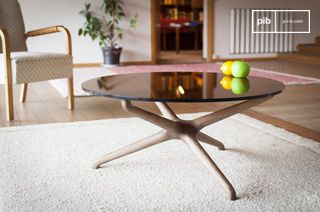
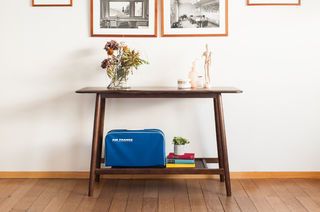
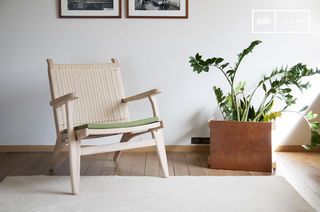
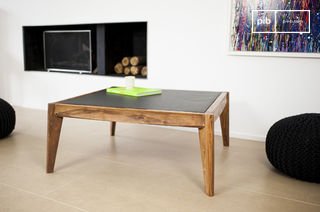
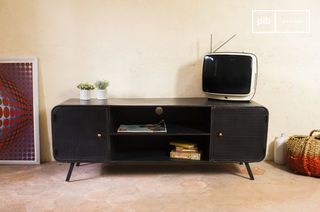
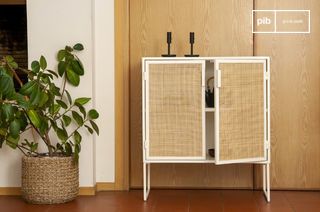
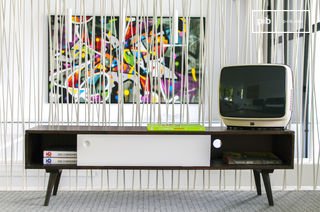
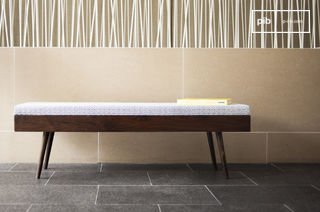
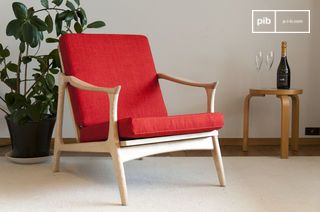
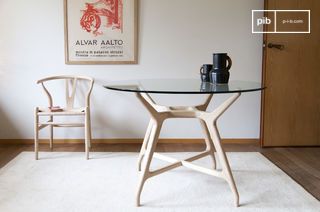
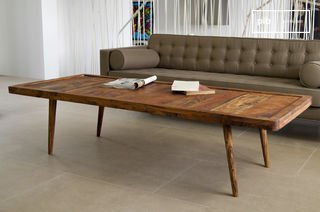
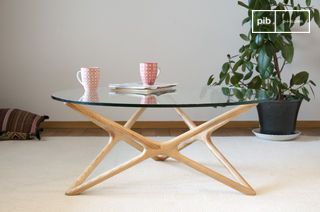
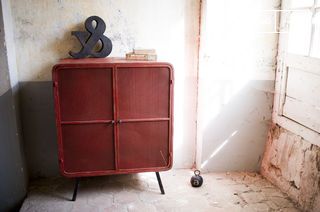
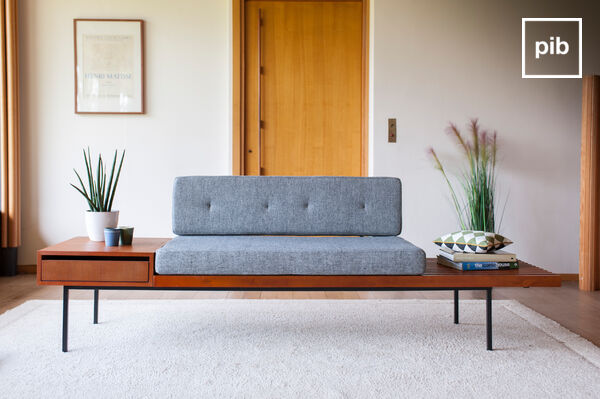
The Mid-century modern category includes furniture designed between the 1940s and 1960s, characterized by simple lines, low profiles and functional materials. Light-colored wood, tubular metal, leather or molded plastic are used according to a precise industrial logic. Each piece is designed for direct use, without overload or ornament. The Mid-century modern style allows a space to be organized in a clear-cut way, with anchored, often self-supporting furniture, designed to function autonomously in an open composition.
read more >


Filters
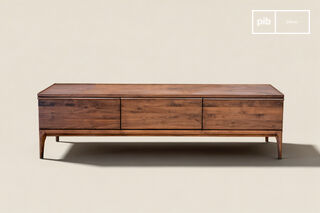
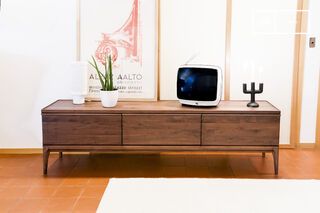
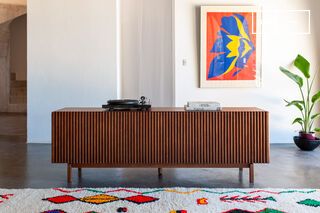
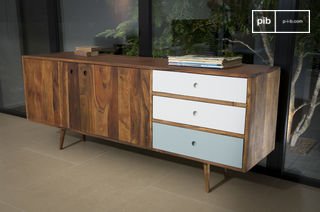
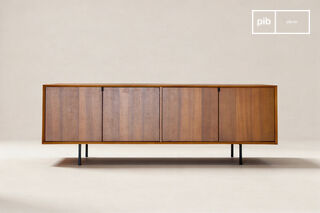
Walnut TV standHemët
£1925
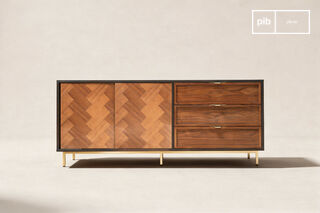
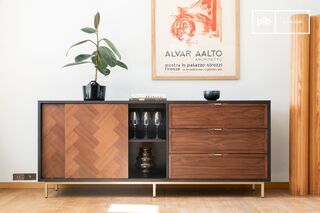
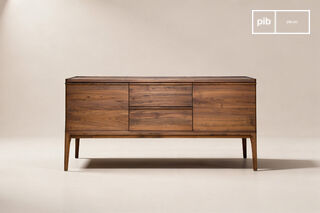
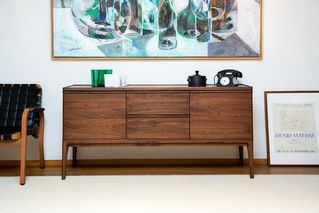
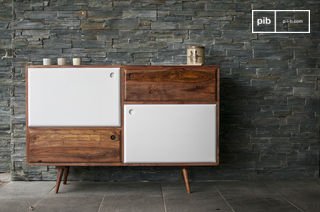
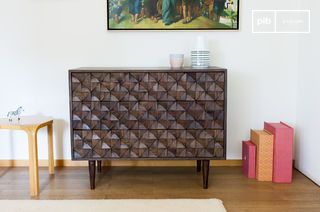
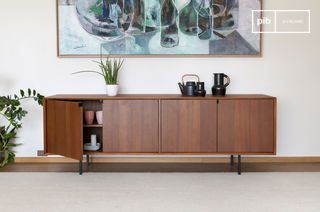
Walnut buffetHemët
£1925
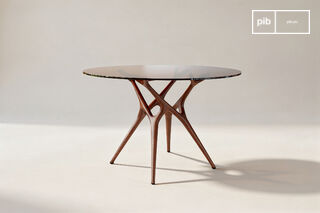
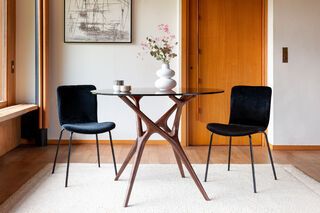
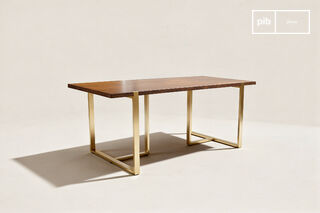
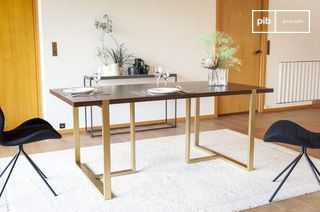
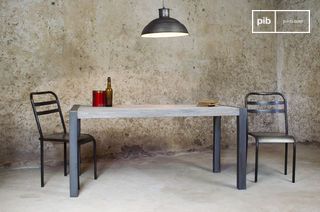
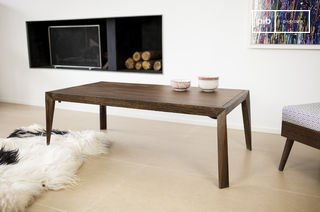
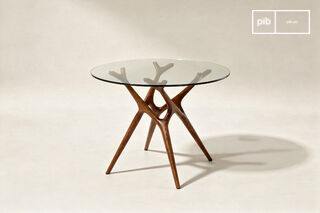
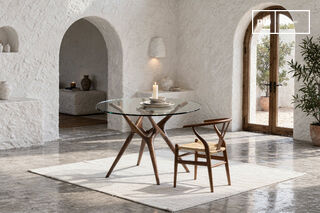
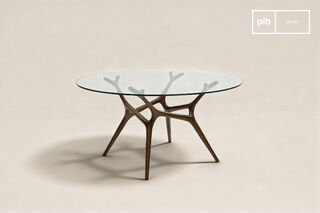
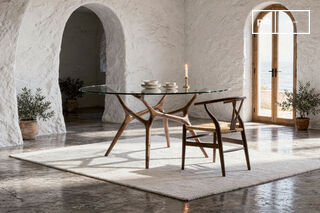
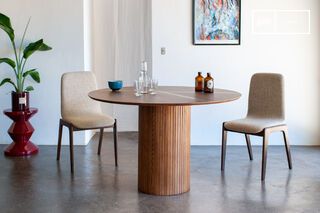
Walnut dining tableNeutra
£950 £755-20%
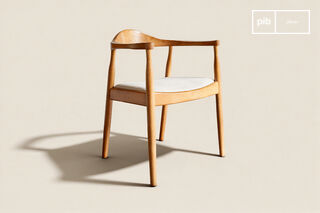
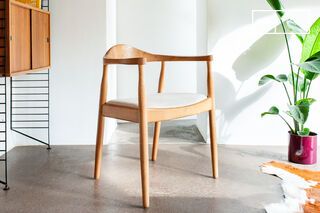
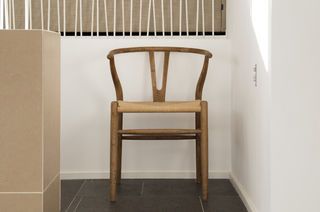
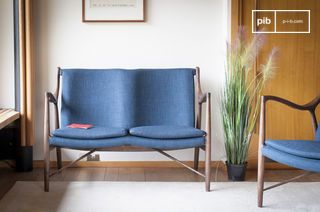
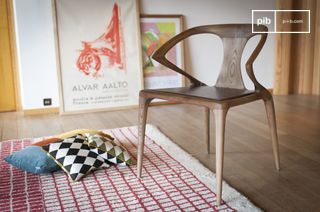
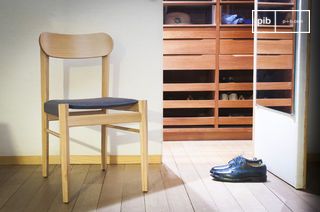
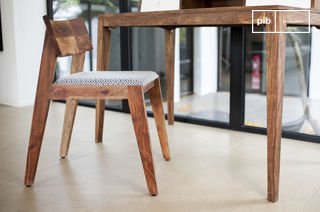
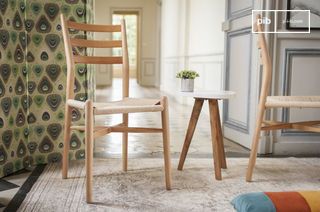
Scandinavian chair in light woodJohannes
£300 £240-20%
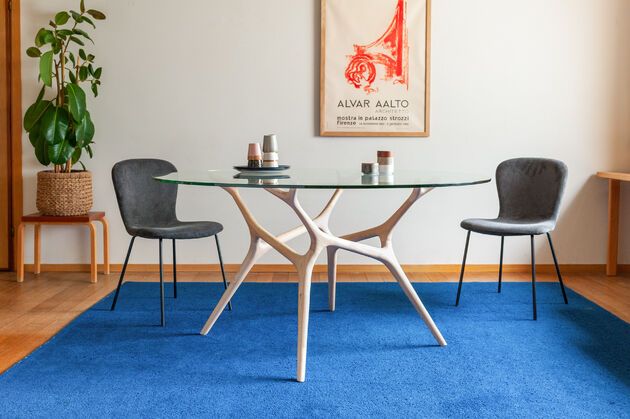
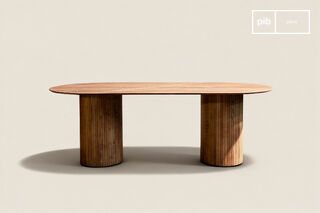
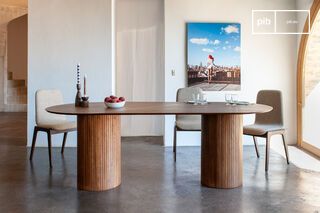
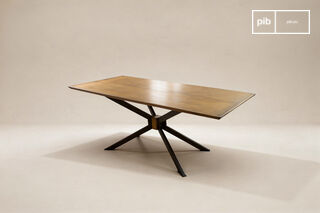
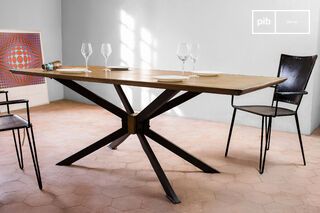
Brass dining tableLiverpool
£1820 £1585-15%
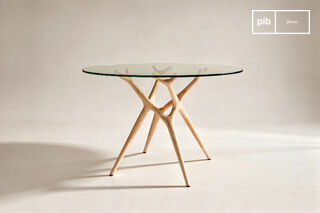
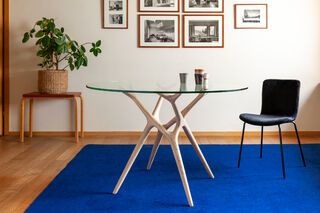
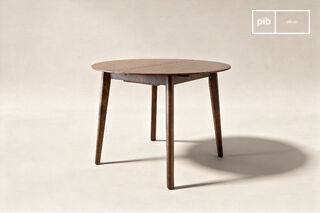
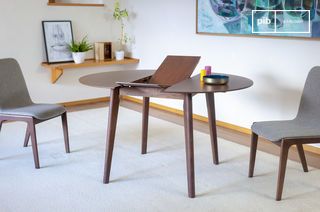
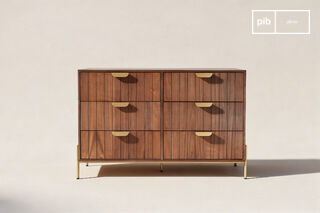
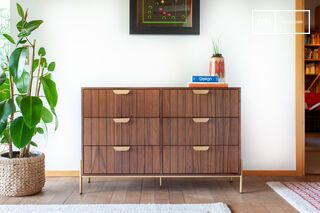
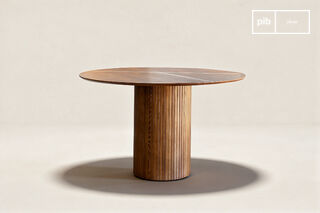
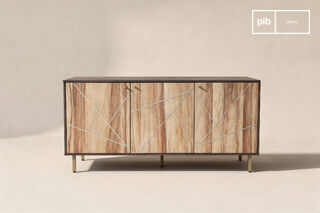
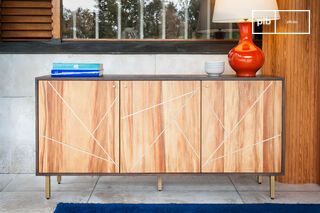
Scandinavian wooden buffetLinéa
£1090 £870-20%
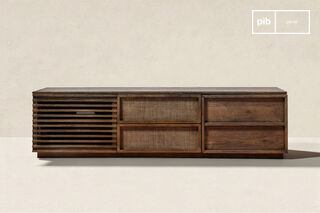
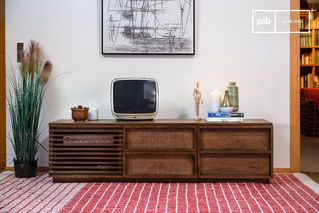
Vintage wooden TV standJake
£1560 £1400-10%
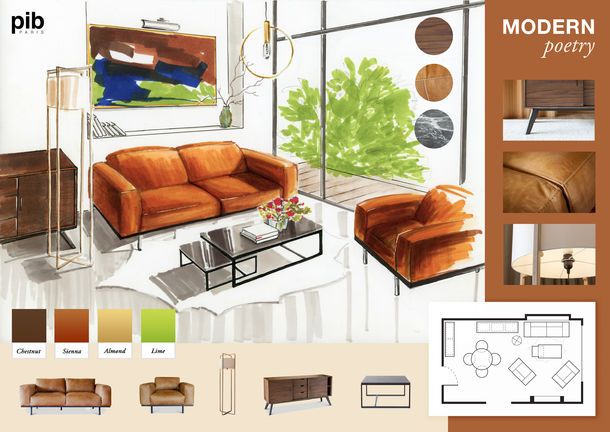
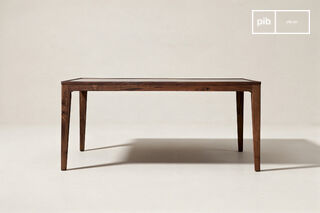
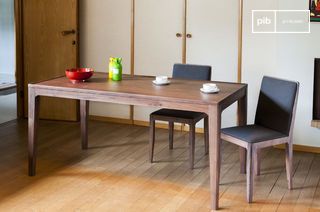
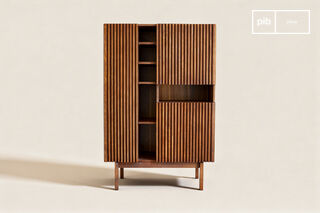
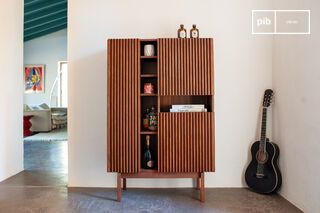
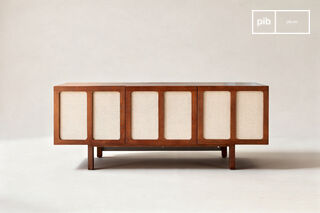
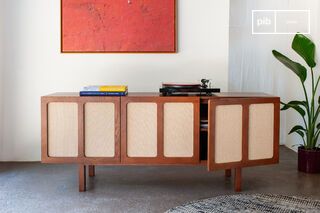
Walnut-tone wood and linen TV unitThalos
£1085 £975-10%
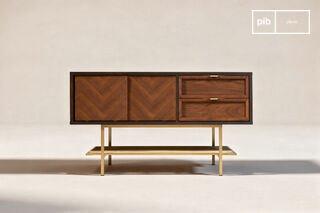
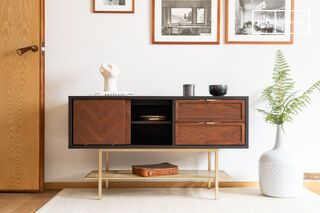
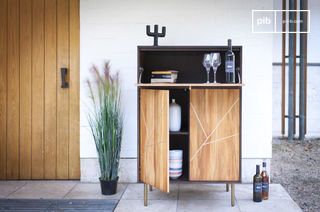
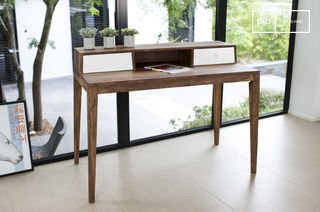
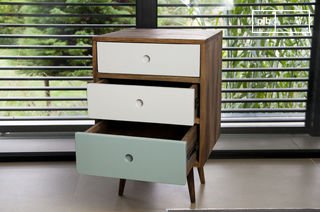
Dark wood entryway pieceNeutra
£1435 £1145-20%
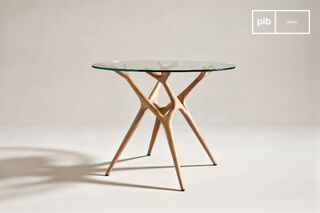
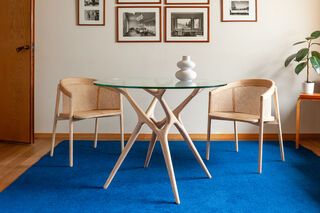
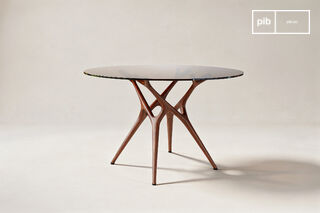
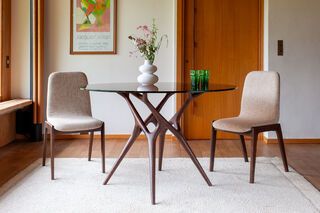
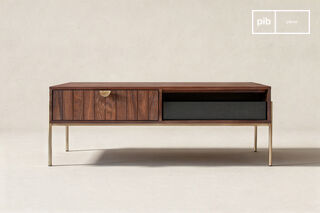
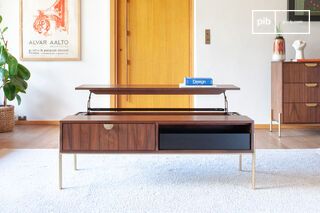
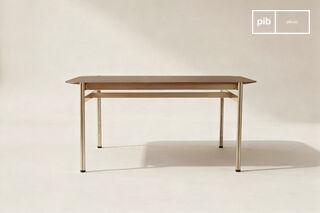
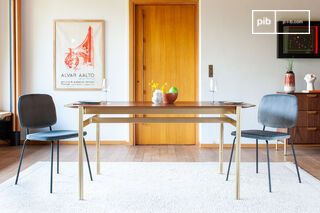
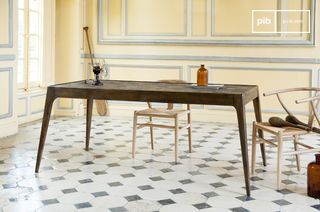
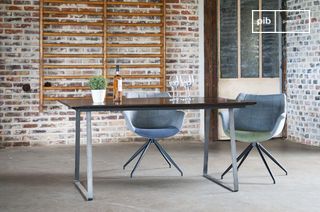
Dark wood dining tableAurora
£1070 £855-20%
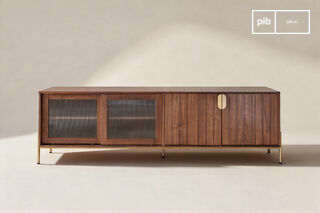
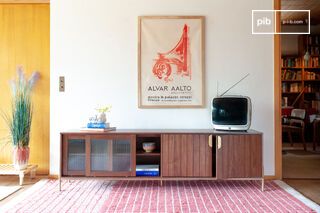
Dark wood TV unitAurora
£1805 £1400-20%
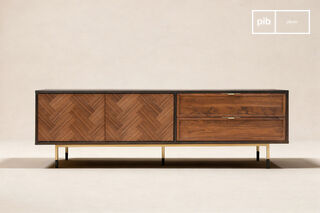
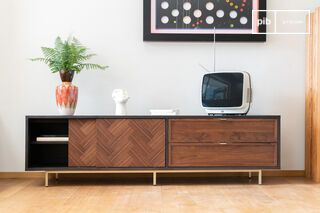
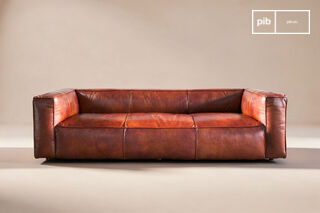
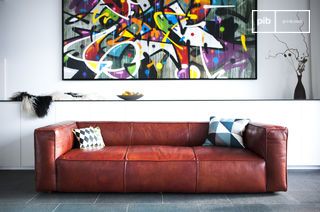
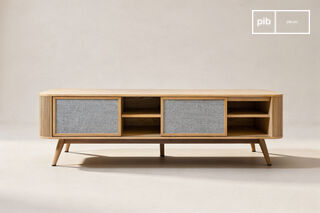
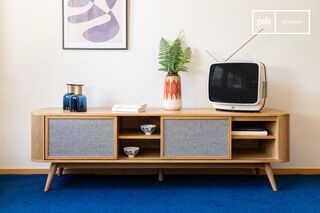
Light wood TV unitLulea
£1195 £950-20%
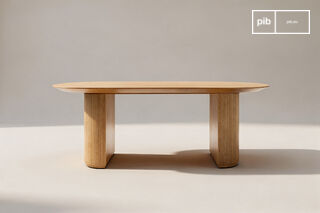
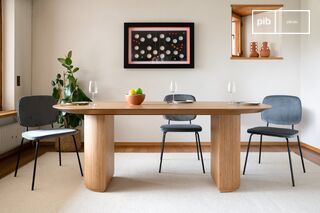
Large light wood dining tableSolna
£1805 £1400-20%
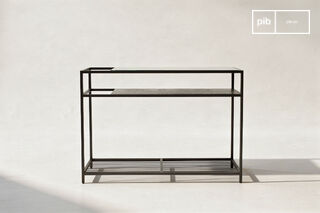
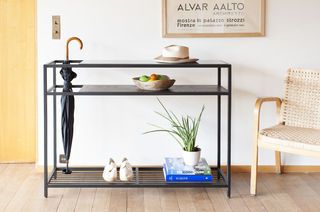
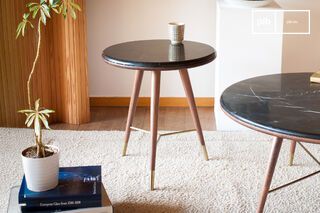
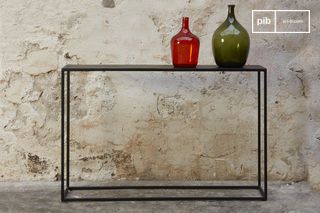
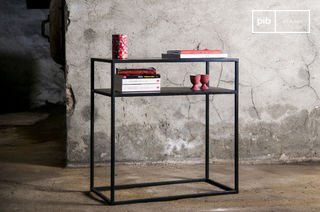
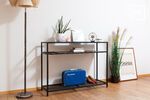
Black marble console tableNoora
£690 £550-20%
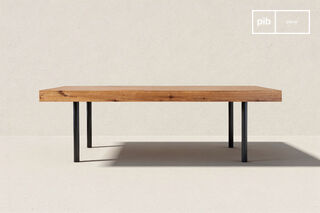
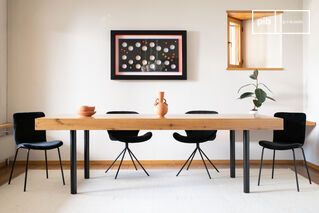
Large light wood dining tableAvesta
£1210 £970-20%
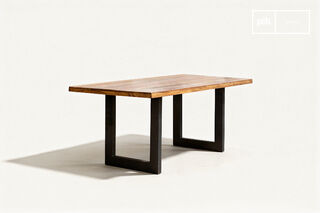
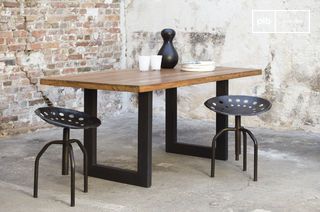
Teak wood tablePeterstivy
£970 £775-20%
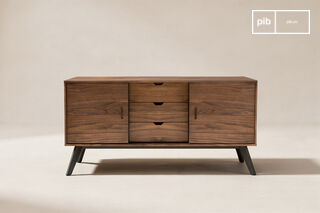
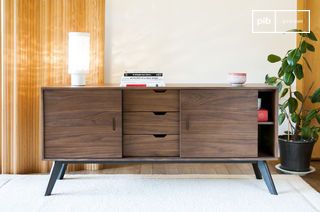
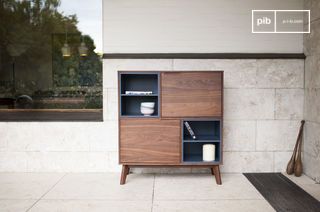
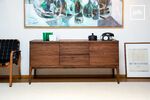
Walnut buffetHinda
£1315
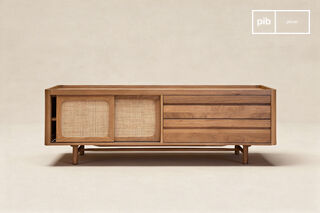
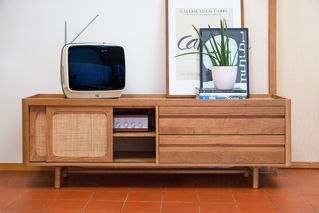
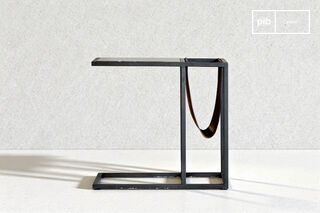
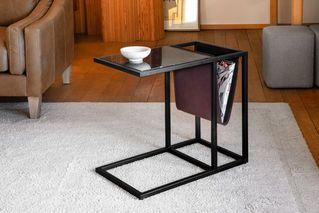
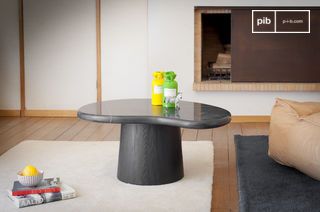
Marble magazine tableNoora
£395 £315-20%
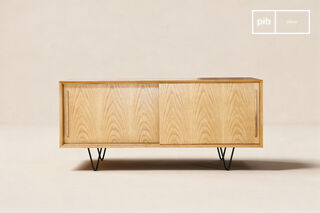
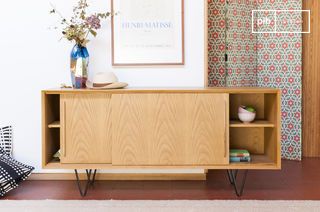
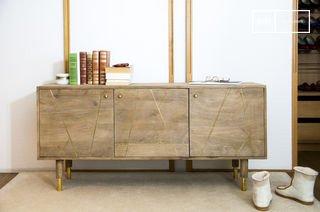
Light oak buffetFiska
£1210 £1090-10%
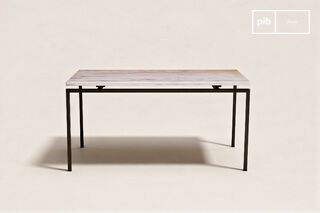
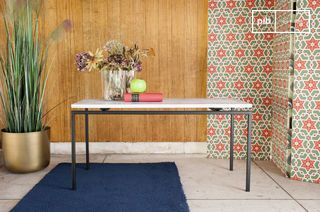
White marble coffee tableVarmalio
£445 £355-20%
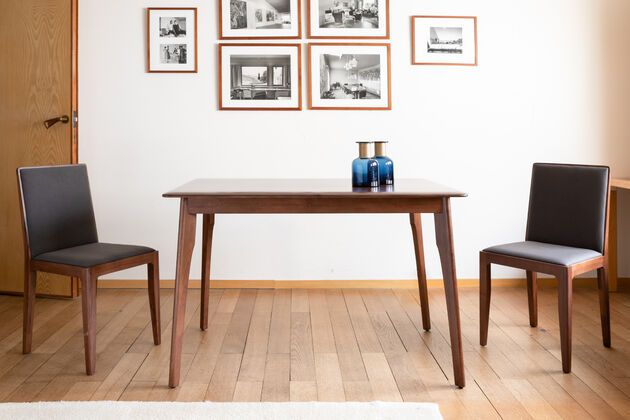
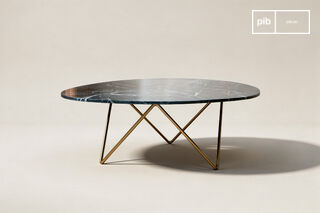
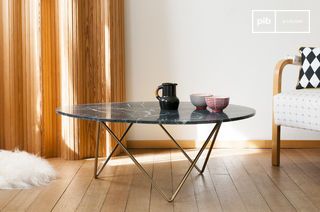

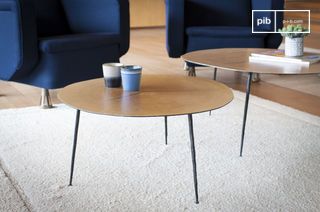
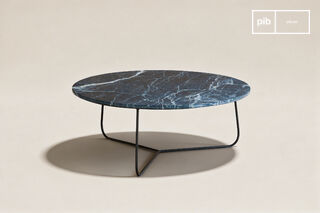
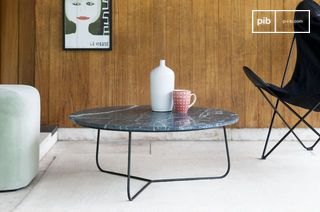
Green marble coffee tableVertü
£725 £650-10%
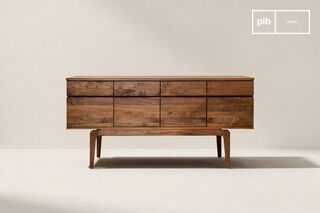
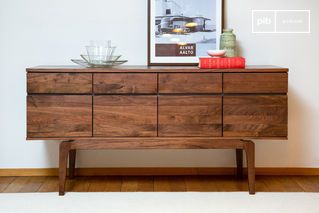
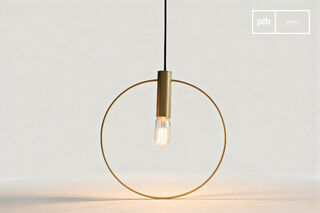
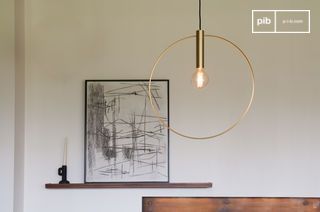
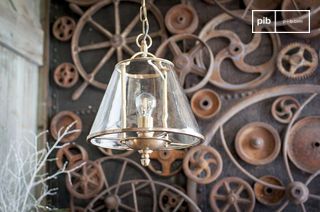
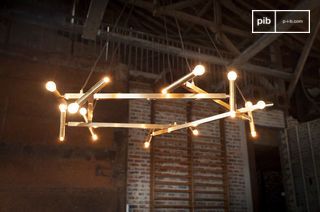
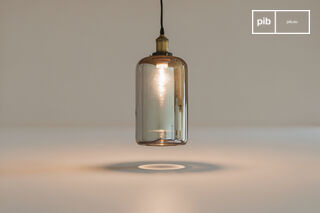
Large gold suspensionOohalt
£240 £215-10%
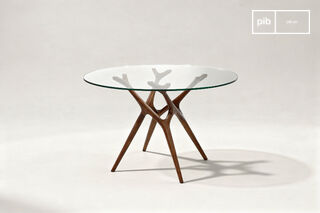
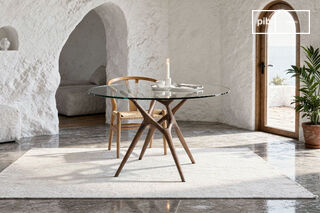
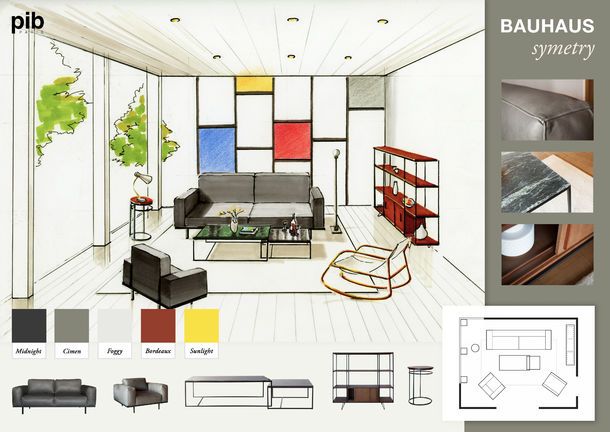
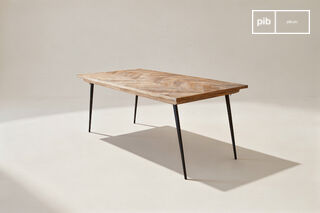
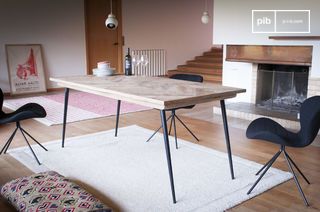
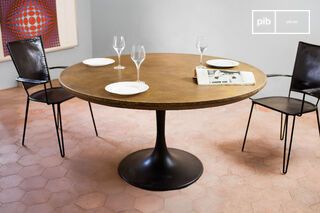
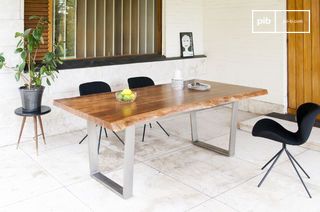
Solid wood dining tableTongeren
£1090 £980-10%
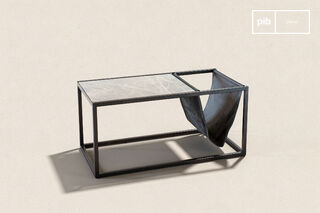
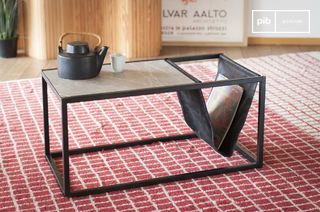
Stone magazine holder coffee tableIbiza
£445 £395-10%
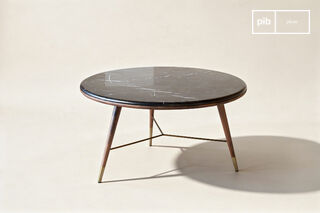
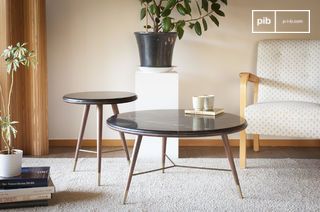
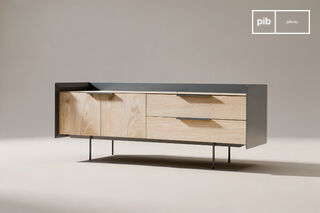
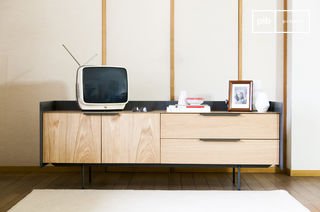
Scandinavian light wood sideboardJackson
£1540 £1205-20%
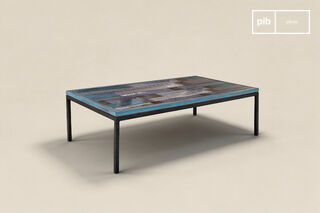
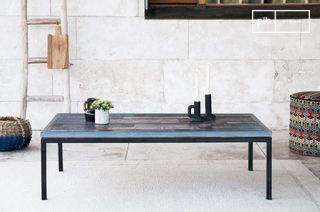
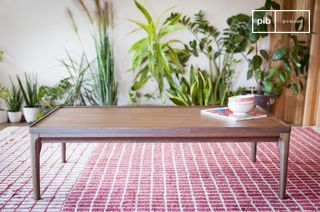
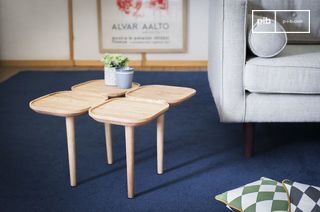
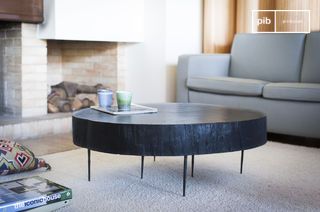
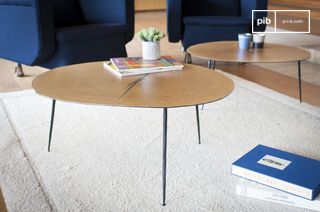
Wooden coffee tableMoriz
£605 £540-10%
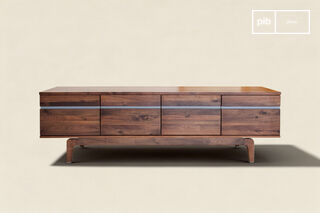
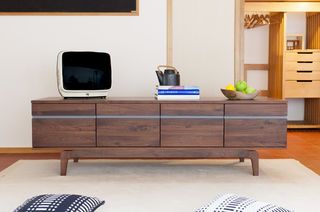
Low walnut buffetNeliö
£1680 £1340-20%
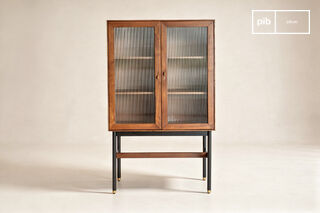
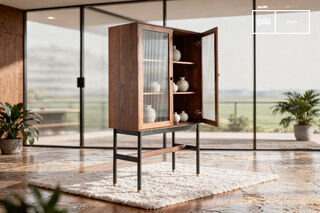
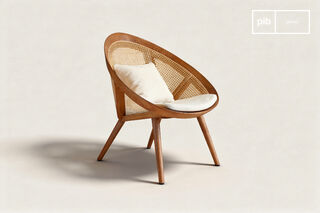
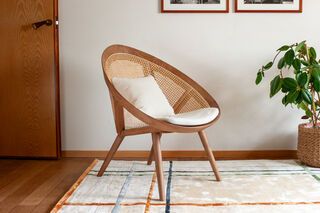
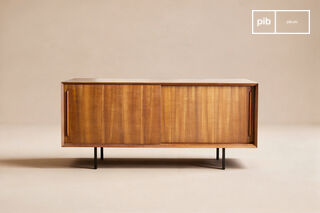
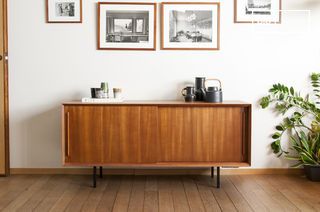

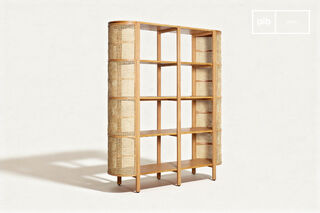
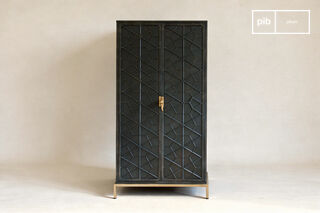
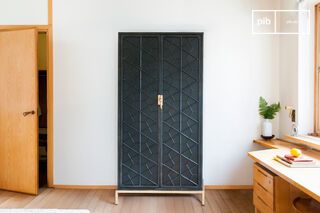
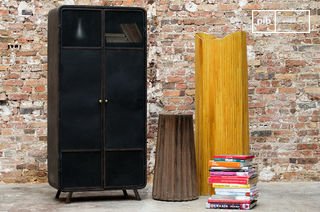
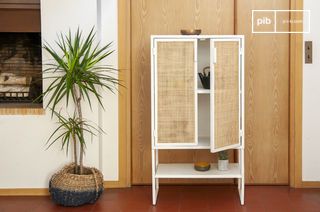
Black metal wardrobeLennon
£2410 £1890-20%
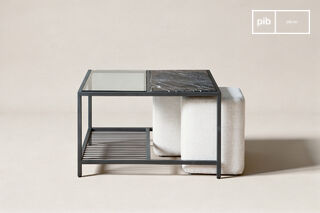
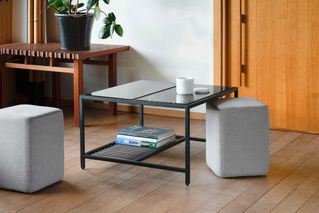
Marble coffee table with poufsNoora
£680 £550-20%
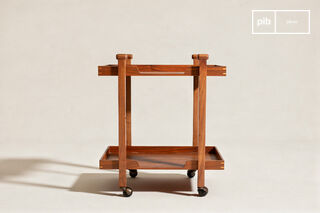
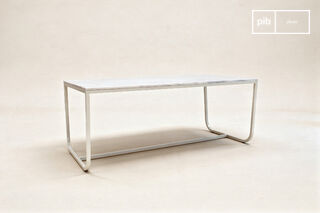
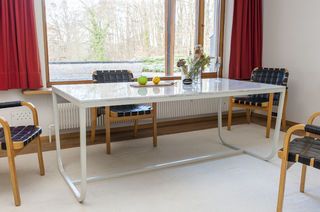
Nordic marble dining tableGällo
£2045 £1585-20%
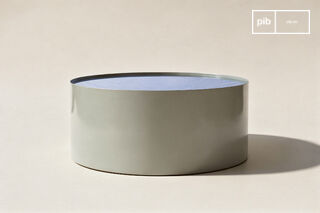
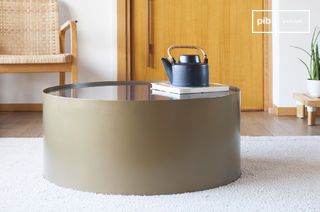
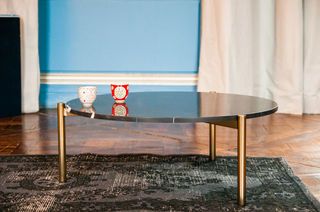
Round marble coffee tableDickinson
£1210 £970-20%
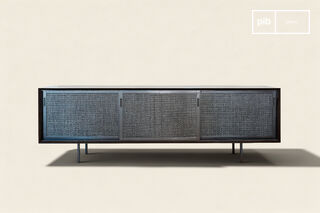
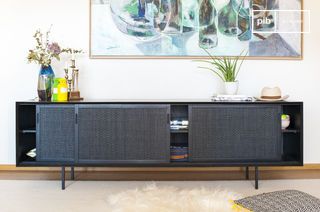
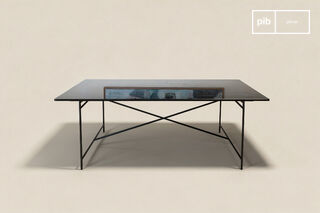
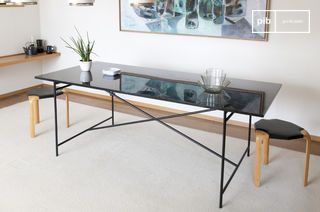
Black marble tableThorning
£1925 £1525-20%
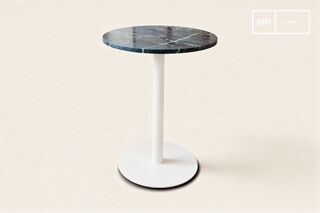
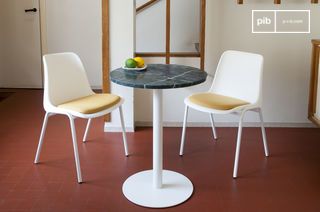
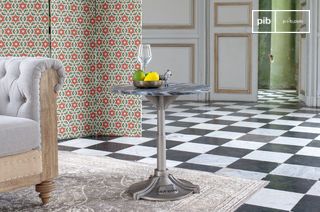
Green marble bistro tableLasby
£510 £410-20%
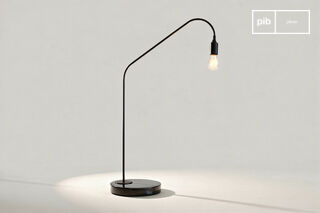
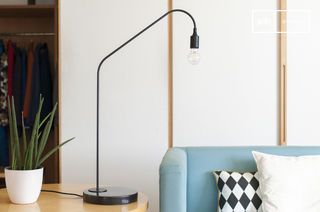
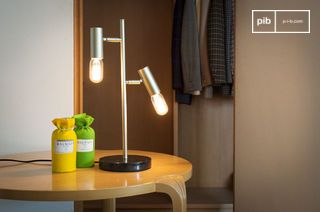
Black table lampMogens
£240 £190-20%
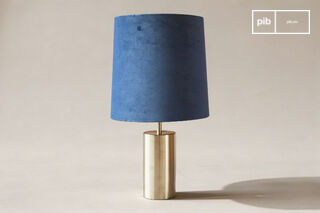
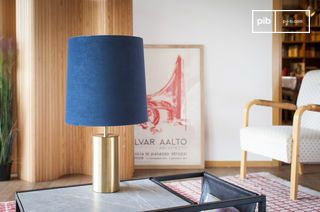
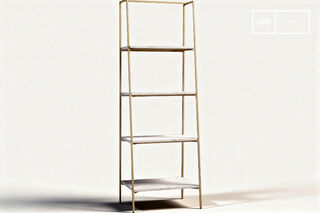
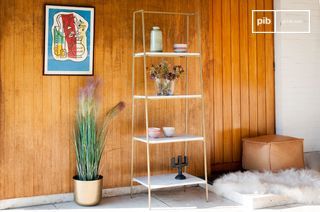
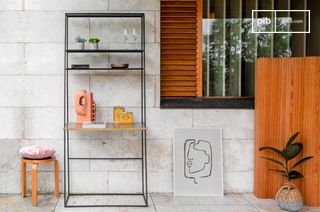
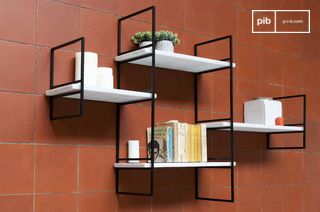
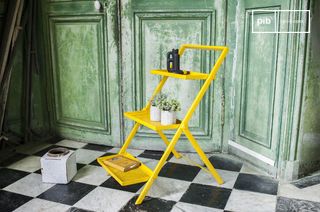
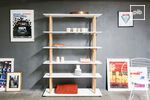
Four-tier marble shelfBylille
£1680 £1340-20%
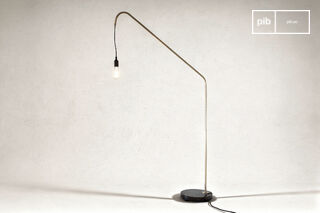
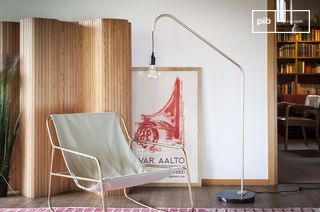
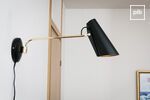
Metal and marble reading lampMogens
£300 £240-20%
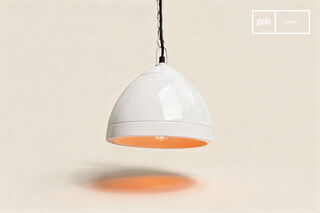
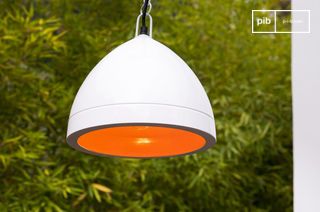
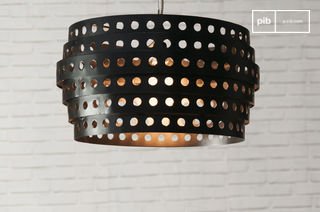
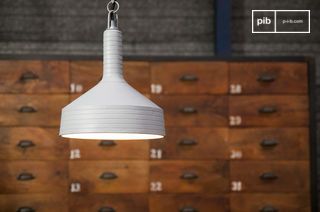
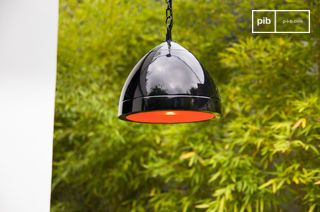
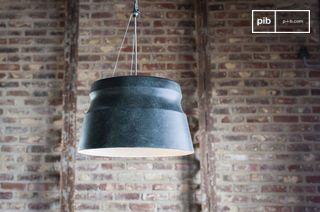
White hanging lampKëpsta
£135 £105-20%
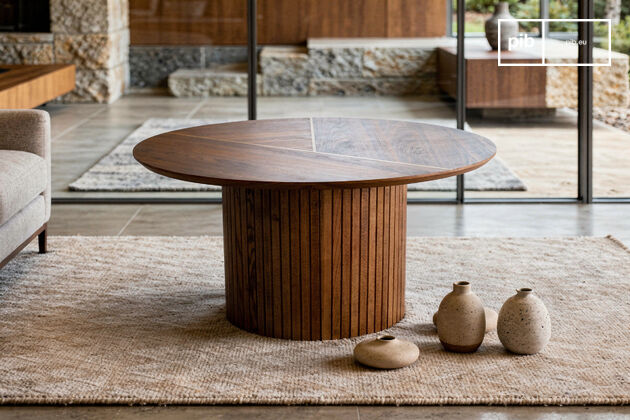
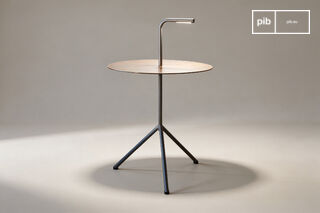
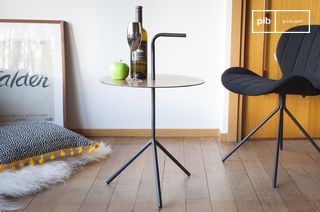
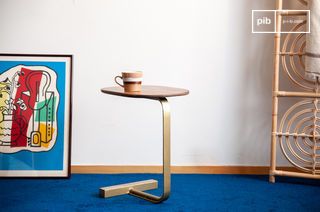
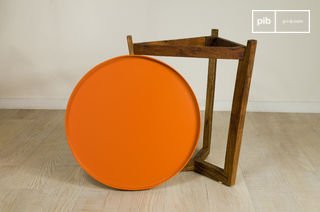
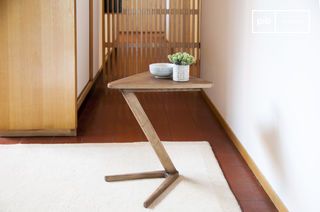
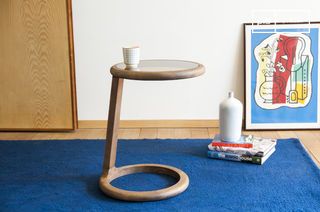
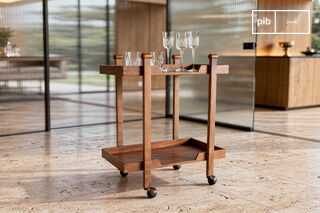
Portable table with handleXylème
£360 £285-20%
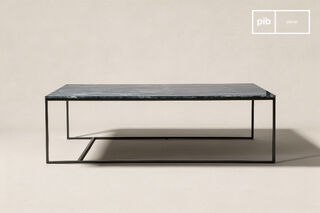
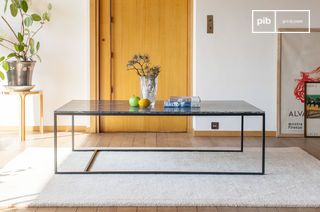
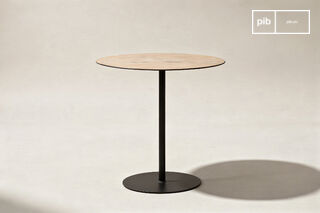
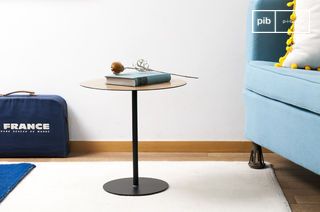
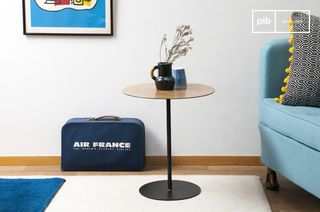
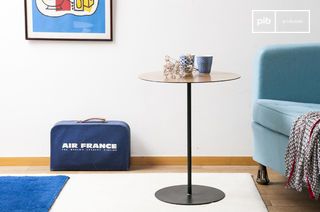
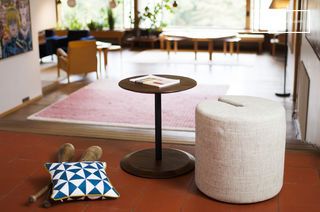
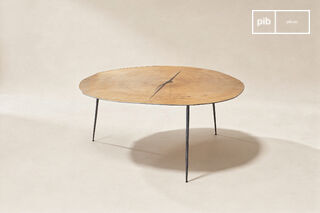
Small round side tableXylème
£315 £250-20%
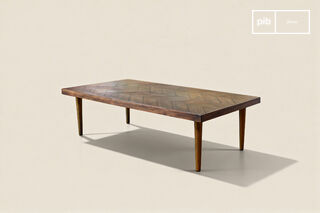
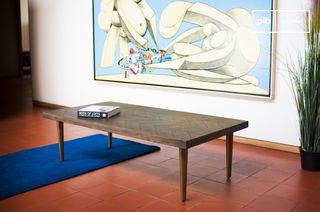
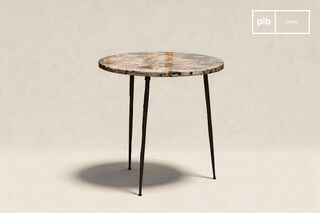
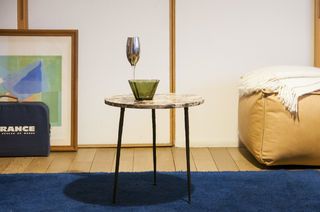
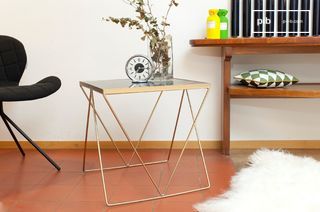
Marble side tableVilma
£305 £245-20%
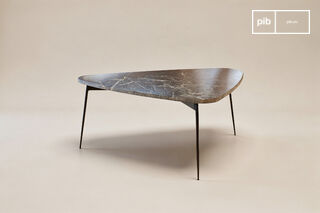
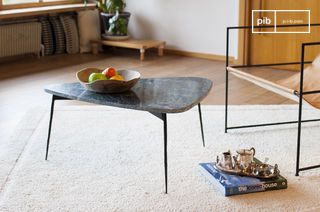
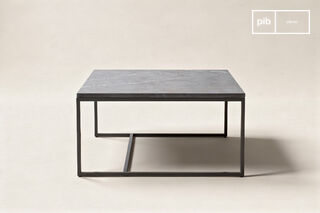
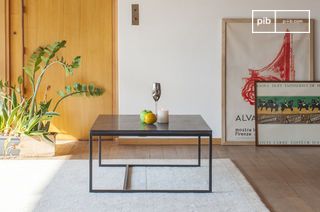
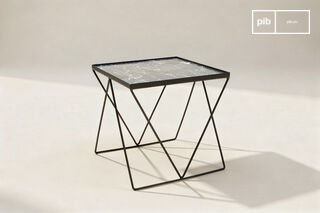
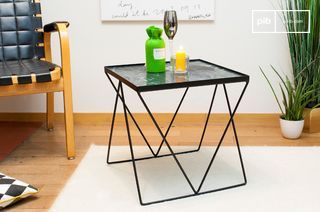
Small green marble tableBumcello
£315 £280-10%
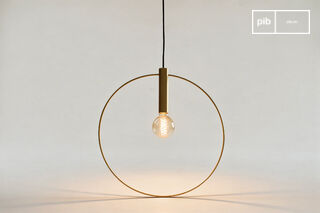
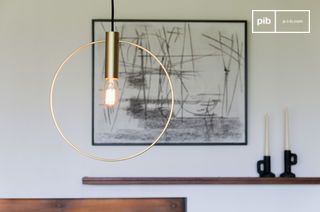
Golden metal suspensionOohalt
£165 £145-10%
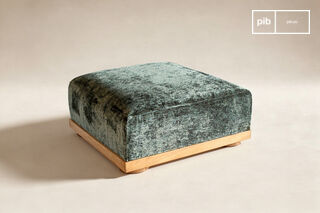
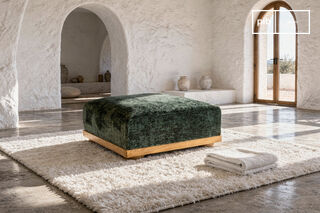
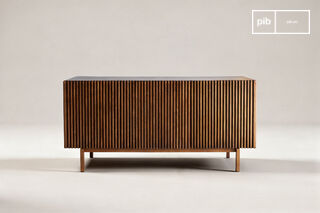
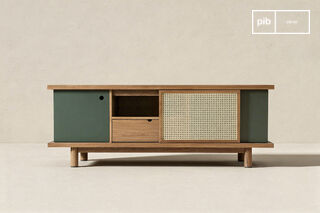
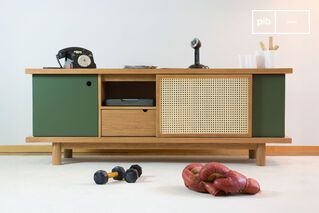
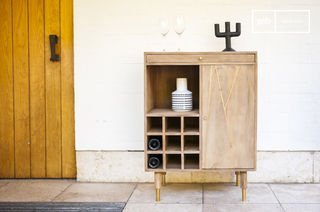
Oak buffetTammea
£1195
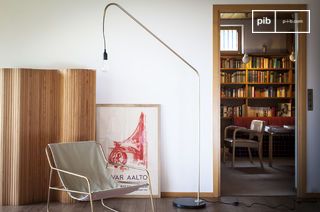
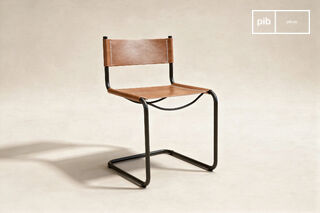
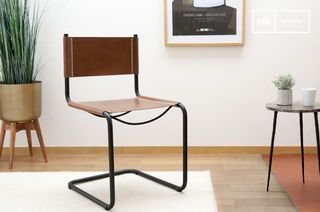

Mid-century modern: streamlined forms and rational use
The Mid-century modern style emerges against a backdrop of reconstruction and accelerated industrialization. It introduces continuous lines, low volumes, visible structures and standardization of elements. Furniture is designed for everyday use, with a focus on economy of materials and clarity of function. The seats are low, the legs airy and the tops thin. The furniture is designed to unfold in open spaces without the need for a fixed setting. This allows for a fluid, modular reading of the layout.
Materials and manufacturing techniques in the Mid-century modern style
The materials used in this period are derived from industrial processes, often new to domestic furniture: molded plywood, injected plastic, tubular metal, laminate.... Wood (mainly teak, rosewood or ash) was used for surface and structural elements, often treated in homogeneous shades. Assembly techniques emphasize visual lightness: pin bases, invisible joints, floating backrests. These choices reduce the amount of space required while preserving the stability of the design. Mid-century modern furniture is identifiable by its silhouette: legible, compact, without visual overload.
Fitting and insertion in contemporary interiors
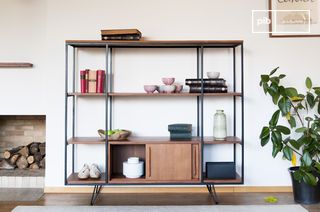
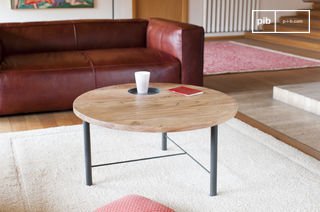
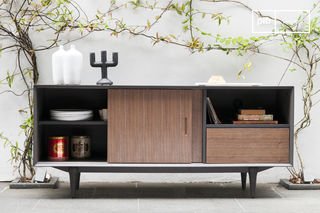
Mid-century modern furniture lends itself to open-plan layouts, in apartments and homes alike. It blends in easily thanks to its standardized formats, neutral lines and reduced visual weight. It works by juxtaposing modules, with little dependence on the frame. An enfilade can structure a wall without saturating the space, while a centered coffee table creates a breathing zone. This style provides a visual hierarchy of functions without mass effect, thanks to the repetition of simple shapes and the absence of marked breaks between objects. Natural lighting is often sufficient to enhance the flat surfaces and sharp edges.
The Mid-century modern style offers furniture designed for clarity, functionality and visual stability. It structures space through autonomous objects, designed to last without depending on a fixed décor.
Mid-century modern style furniture is designed for clarity, functionality and visual stability