Classic
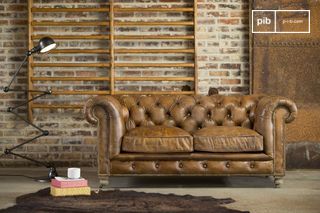
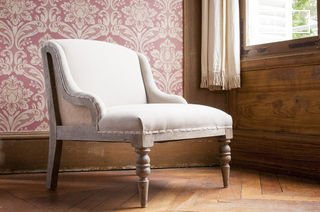
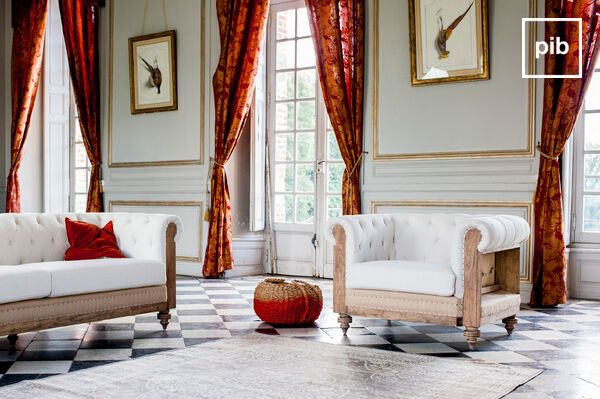
The Classique category features furniture with balanced, often symmetrical lines, and a formal vocabulary inherited from French and European traditions. Materials include solid wood, marquetry, leather, brass and bronze. The Classique style organizes space with legible, centered volumes, sometimes centered around a structuring piece of furniture. Finishes are controlled, with no contrasting effects. This type of furniture works in closed rooms as well as in more open spaces, providing a clear and constant structure over time.
read more >
Filters
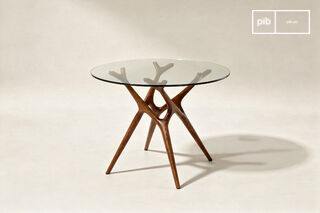
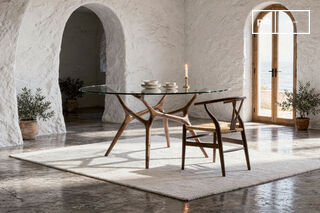
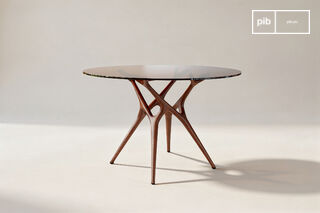
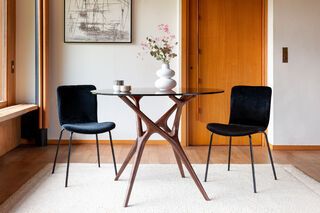
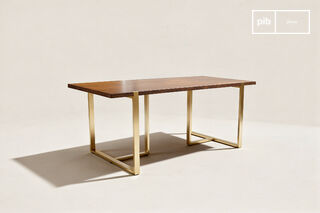
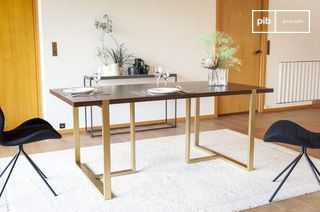
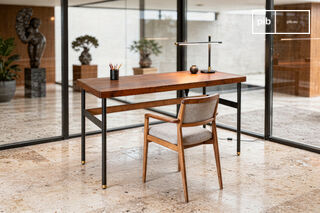
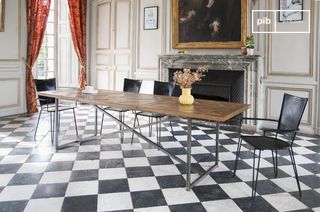
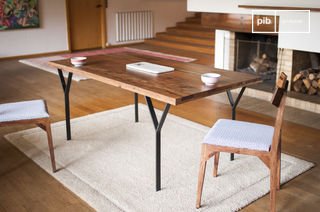
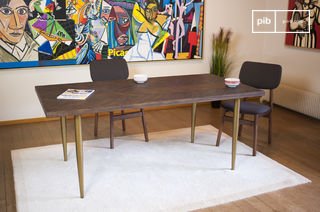
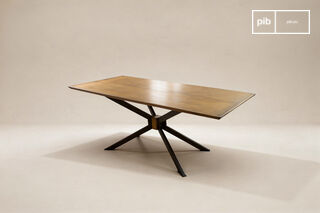
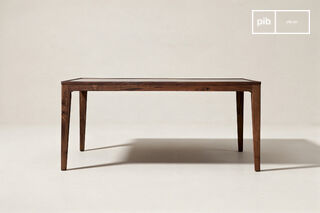
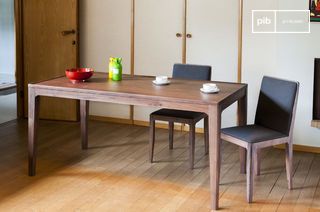
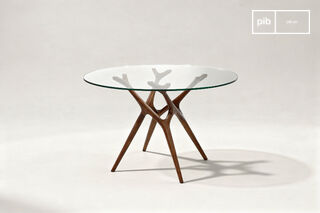
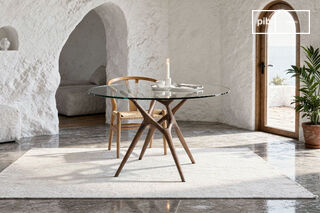
Walnut dining tableNeutra
£950 £755-20%
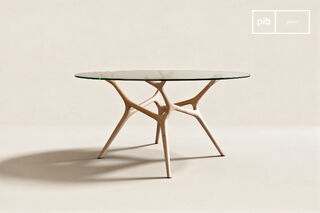
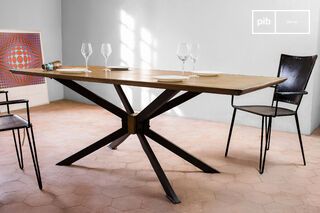
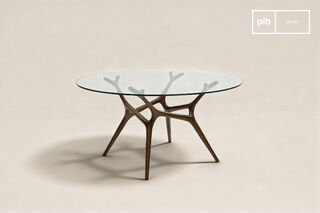
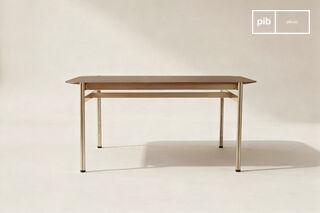
Brass dining tableLiverpool
£1820 £1585-15%
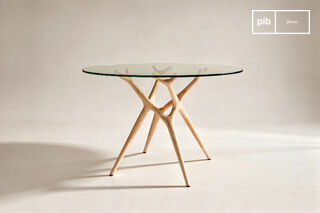
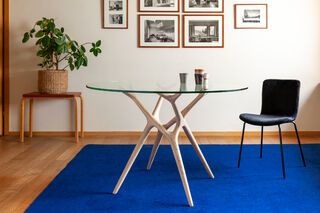
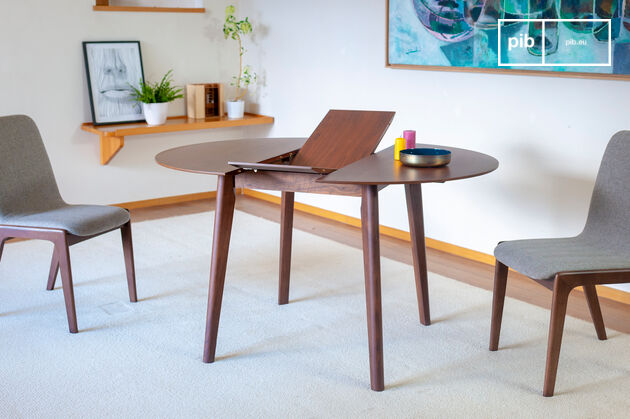
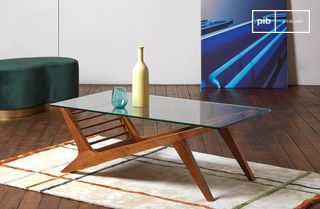
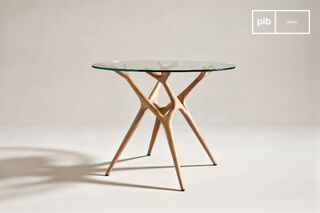
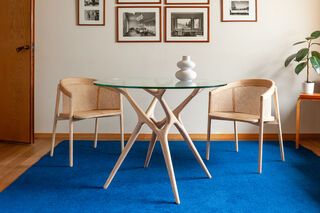
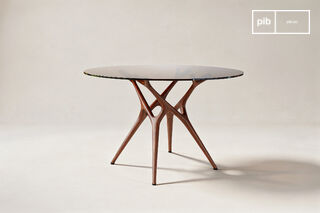
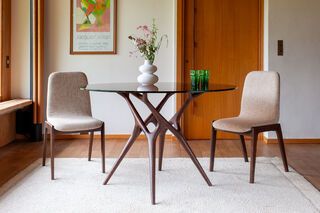
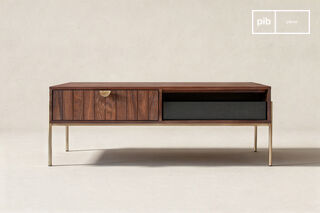
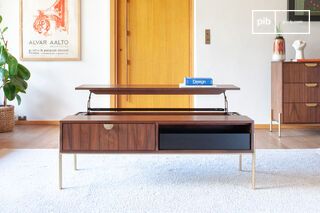
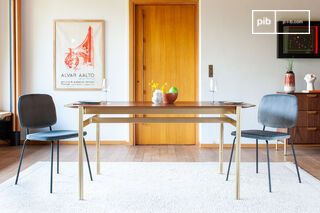
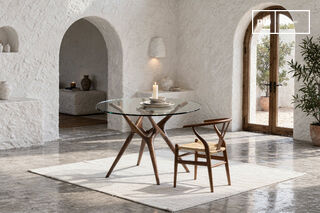
Dark wood dining tableAurora
£1070 £855-20%
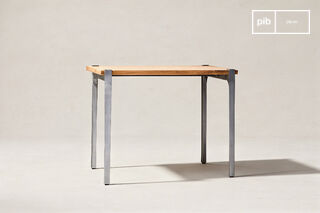
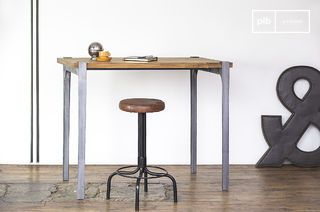
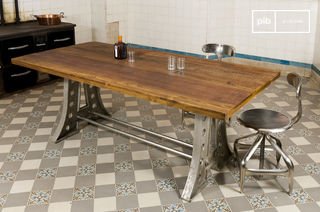
Solid wood high tableWellington
£785 £625-20%
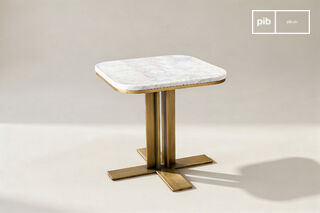
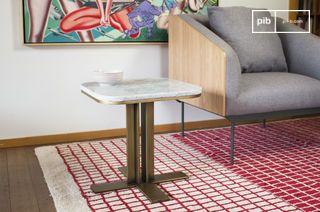
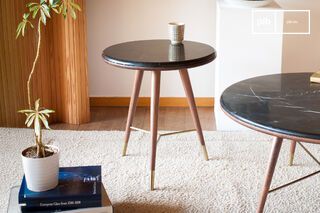
White marble side tableCarrera
£590 £470-20%
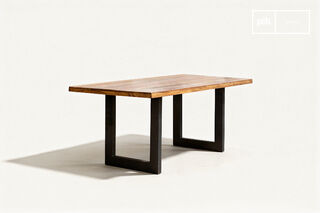
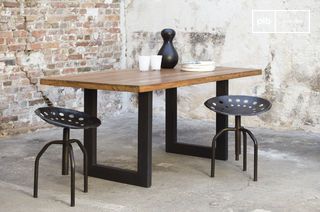
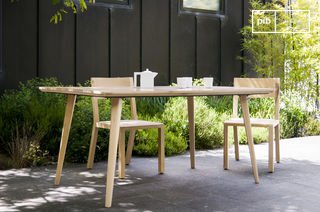
Teak wood tablePeterstivy
£970 £775-20%
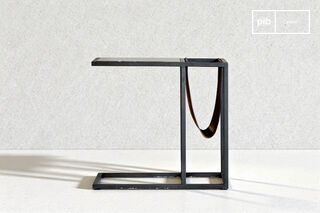
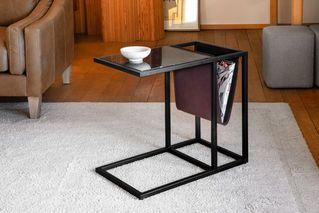
Marble magazine tableNoora
£395 £315-20%
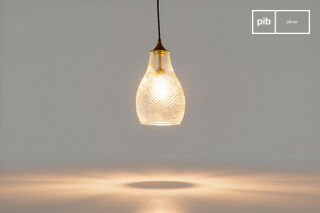
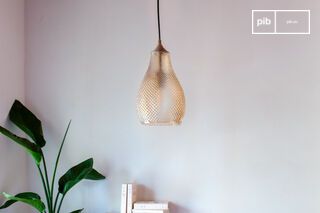
Orange textured glass pendant lightAbaca
£195 £150-25%
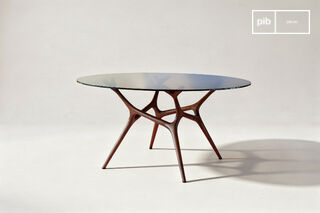
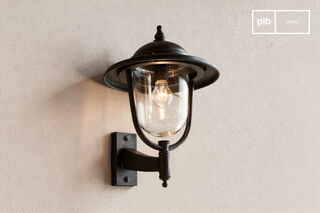
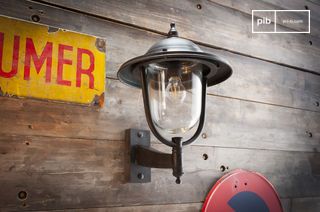
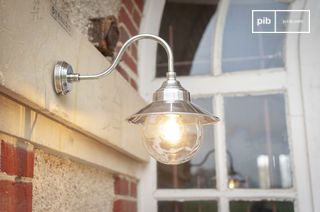
Large outdoor wall lampLizuret
£465 £365-20%
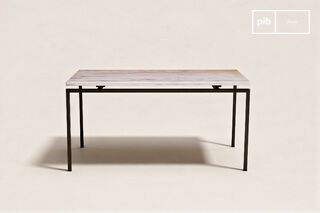
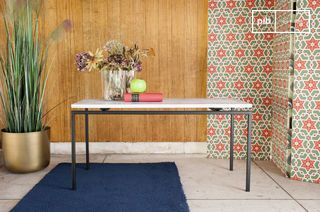
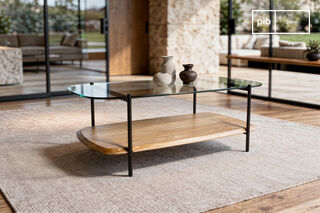
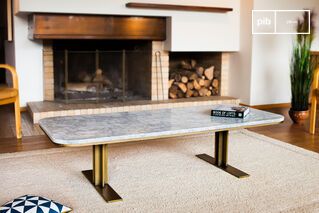
White marble coffee tableVarmalio
£445 £355-20%
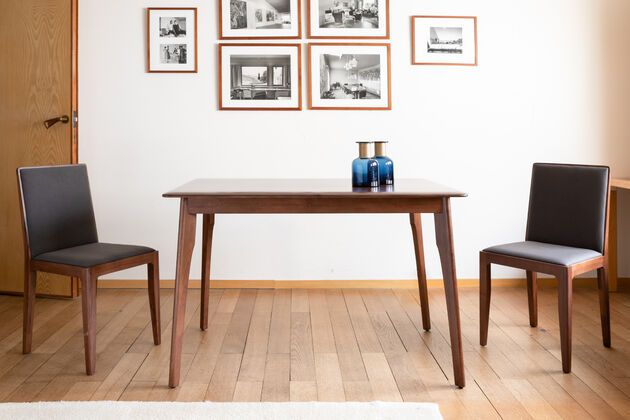
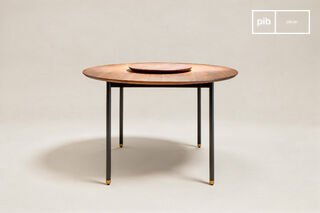
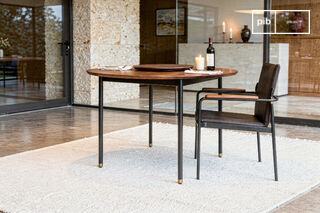
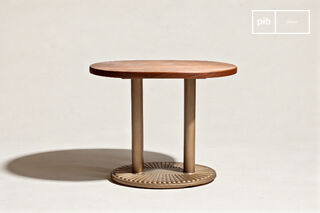
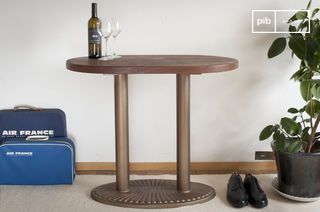
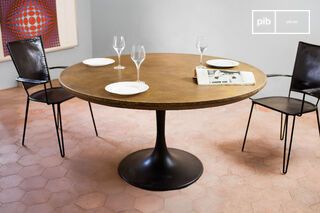
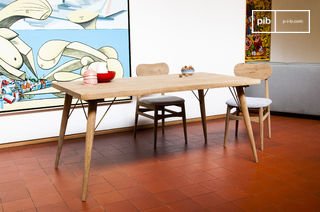
Small oval wooden dining tableWashington
£705 £560-20%
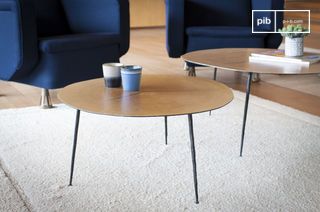
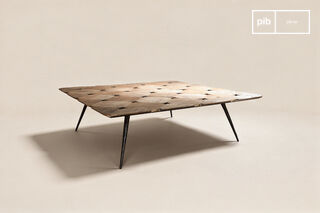
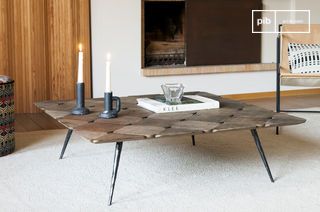
Large elm wood coffee tableLincoln
£1200 £955-20%
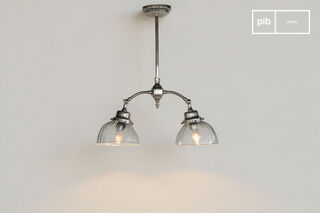
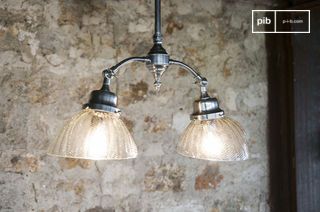
Art Nouveau ceiling lightHaussmann
£565 £505-10%
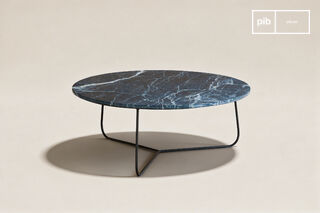
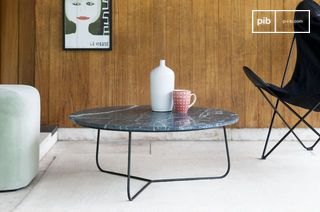
Green marble coffee tableVertü
£725 £650-10%
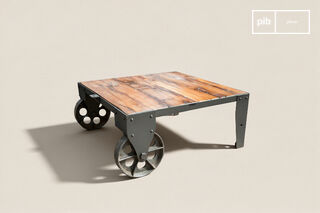
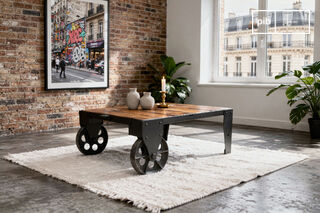
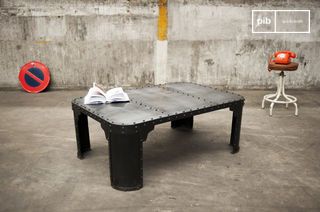
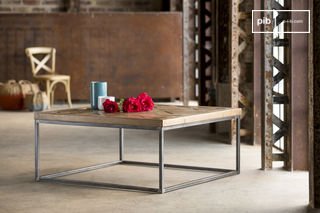
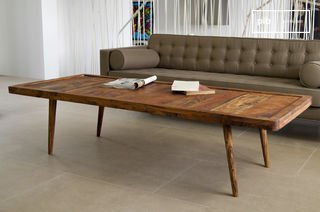
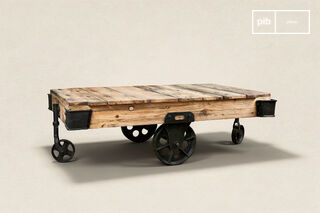
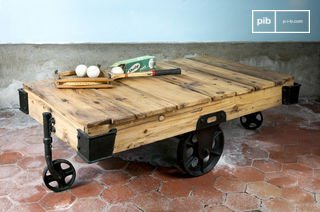
Wooden Coffee TableRailway
£645 £510-20%
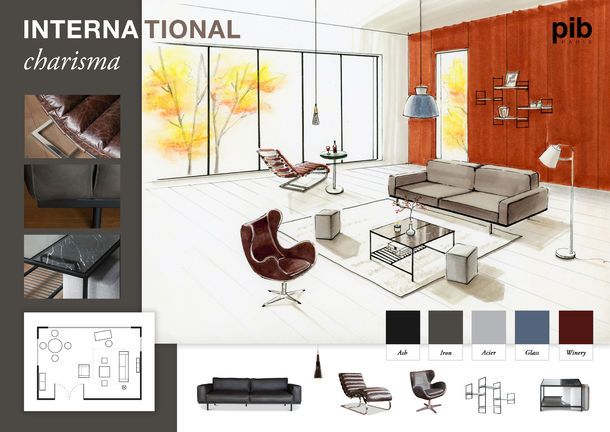
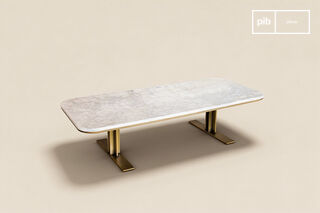
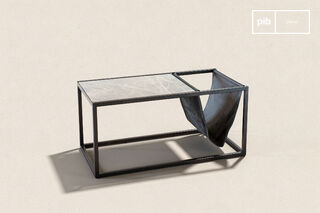
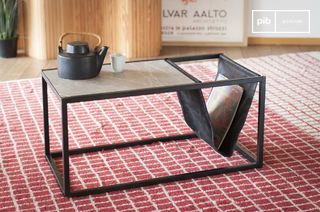
Stone magazine holder coffee tableIbiza
£445 £395-10%
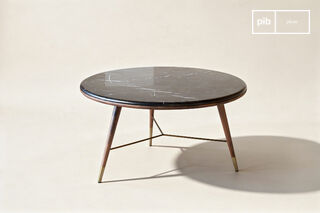
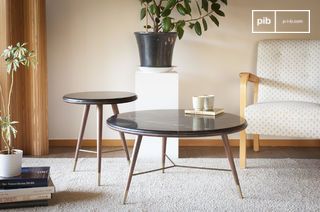
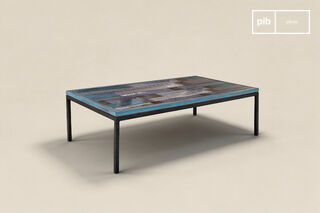
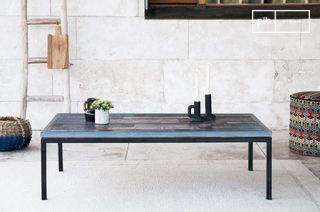
Wooden coffee tableMoriz
£605 £540-10%
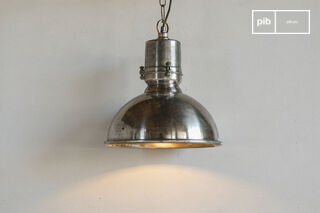
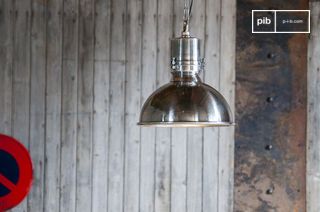
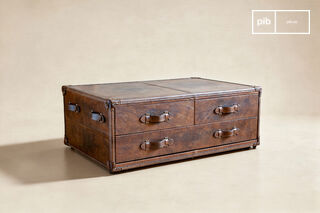
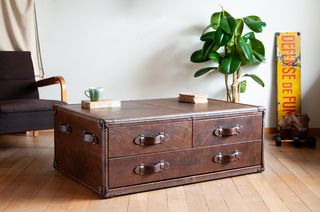
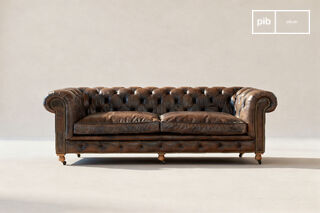
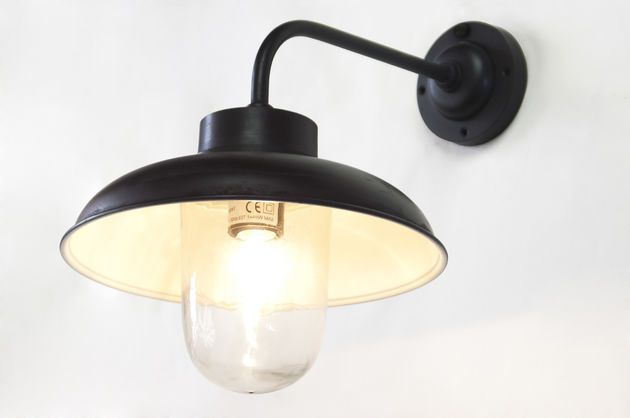
External black metal angled appliquePowell
£285 £255-10%
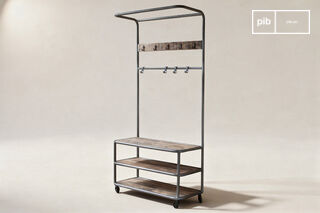
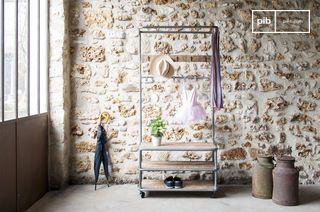
Wooden rolling wardrobeMidtown
£690 £615-10%
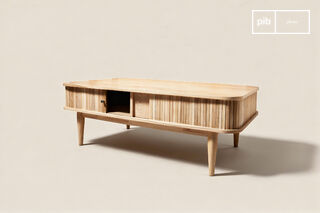
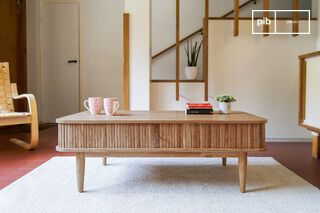
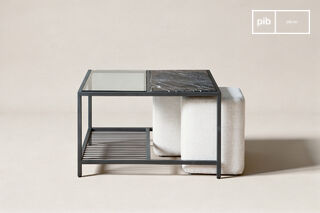
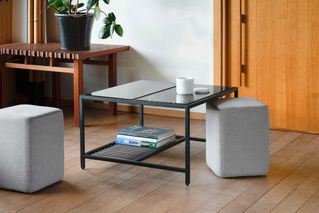
Marble coffee table with poufsNoora
£680 £550-20%
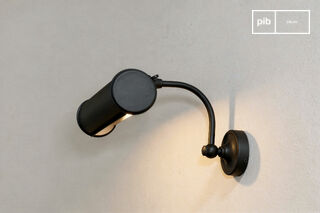

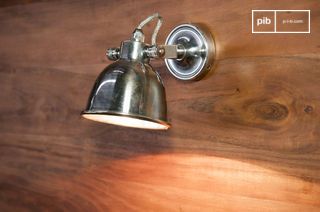
Matte black picture wall lightBlack Factory
£145 £115-20%
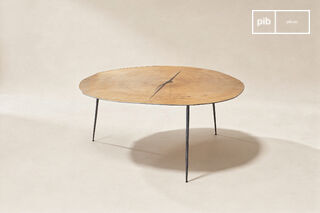
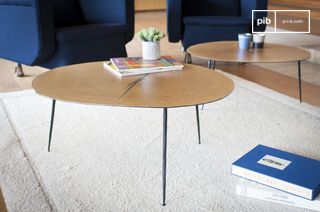
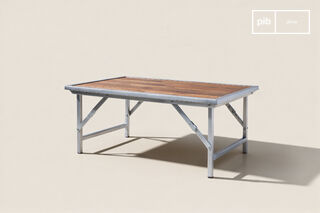
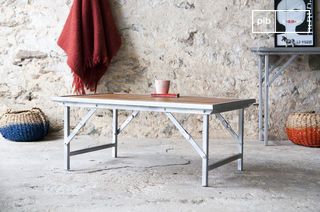
Teak coffee tableBollène
£555 £440-20%
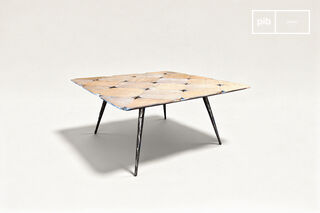
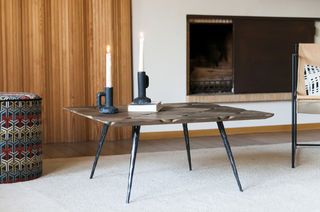
Elm wood coffee tableLincoln
£955 £760-20%
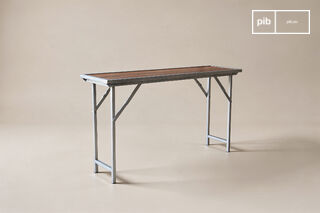
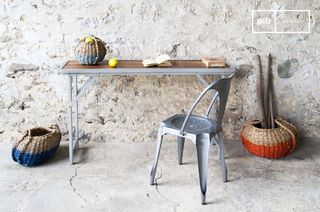
Teak consoleBollène
£585 £465-20%
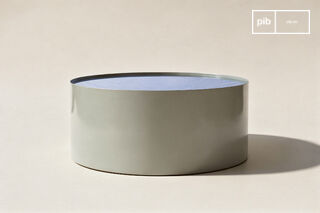
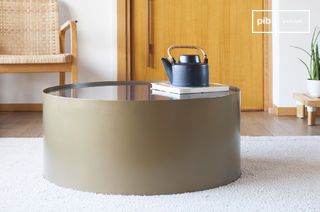
Round marble coffee tableDickinson
£1210 £970-20%
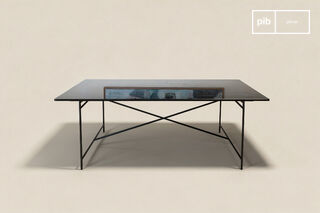
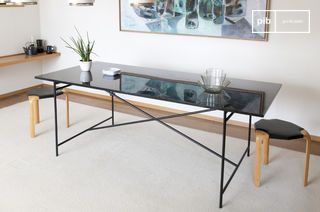
Black marble tableThorning
£1925 £1525-20%
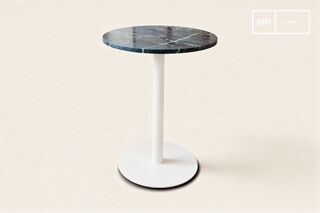
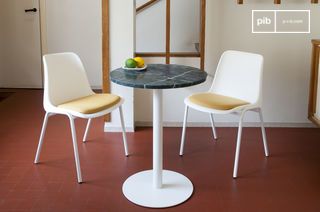
Green marble bistro tableLasby
£510 £410-20%
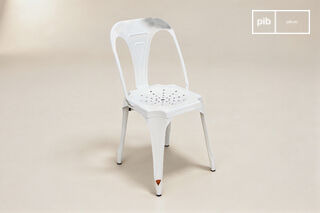
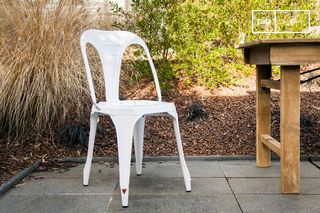
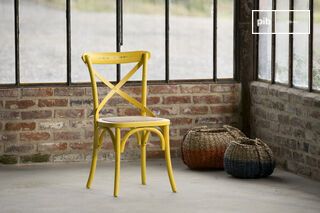
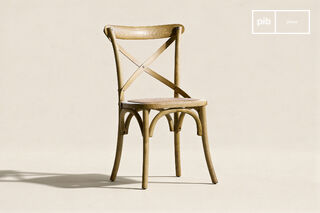
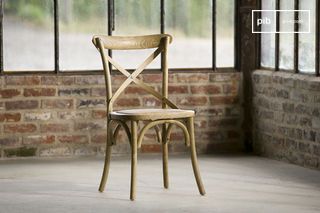
White chairMultipl'S
£150 £135-10%
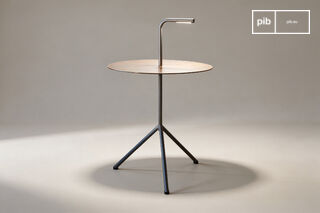
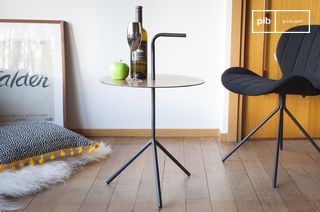
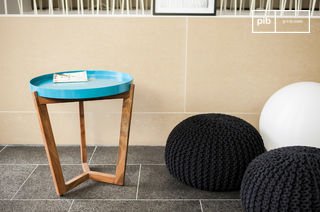
Portable table with handleXylème
£360 £285-20%
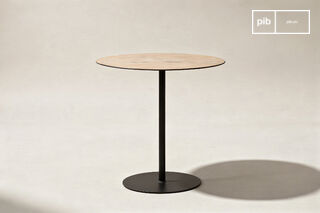
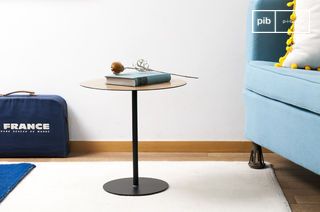
Small round side tableXylème
£315 £250-20%
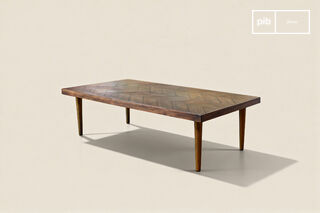
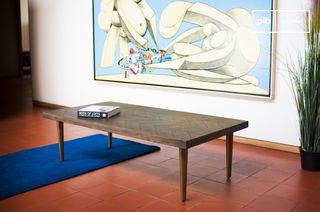
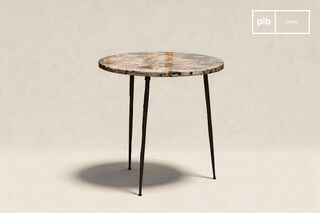
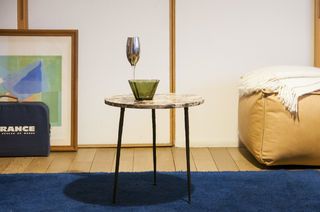
Marble side tableVilma
£305 £245-20%
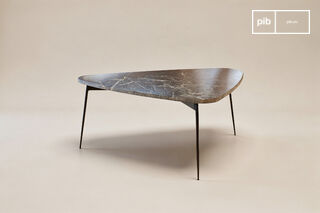
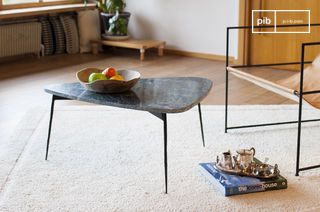
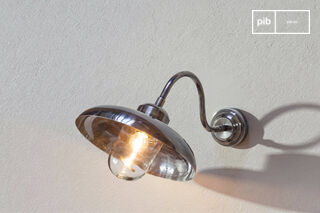
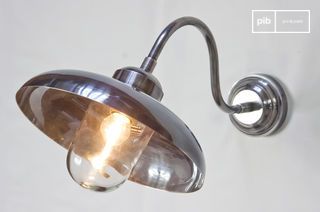
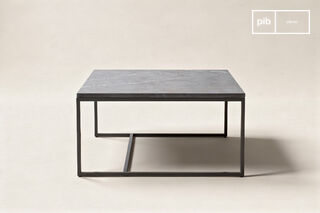
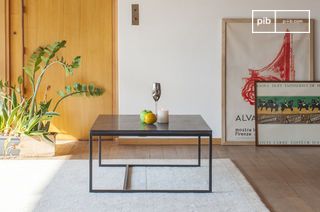
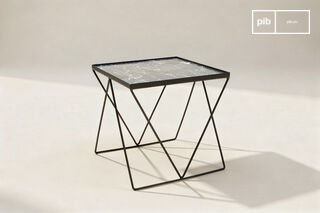
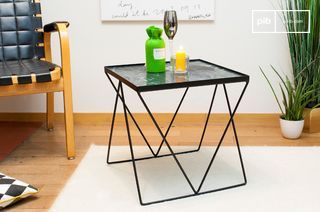
Small green marble tableBumcello
£315 £280-10%

Classical: formal structure and historical continuity
Classical furniture is distinguished by a precise organization of forms, often symmetrical, centered or framed. It is based on stable references from French, Italian or English architecture and cabinetmaking. The formal vocabulary is codified: curved legs, cornices, molded panels, axial compositions. This regularity helps to structure a room according to clear reference points. Each piece of furniture is conceived as an entity with a defined function and place within a larger whole. The layout often respects a logic of alignment or staging around an axis.
Materials and elements characteristic of the Classique style
The materials of Classique furniture prioritize durability and visual coherence. Solid wood (oak, walnut, cherry) is omnipresent, sometimes combined with fine marquetry, stretched leather or gilded bronze elements. Shades remain deep, finishes satin or waxed, without excessive shine. Metal is limited to functional or ornamental details, without becoming structural. The result is a dense yet orderly atmosphere, with a stable reading. These pieces are long-lasting, both in their style and in their manufacture.
Function and integration in contemporary spaces
A piece of Classique furniture is positioned as a fixed point in a layout. It can organize a room by reinforcing its symmetry or posing a visual axis. A chest of drawers can structure a wall without overloading, a secretary introduce a precise function into a multi-purpose room. Classical style can coexist with more recent elements, as long as a clear hierarchy is maintained and strong contrasts are kept to a minimum. In this case, styling is based on a fluid reading of volumes and materials, with no visual breaks.
Classical furniture structures an interior with stable forms, defined functions and a material coherence that seeks neither rupture nor punctual effect.