- 1960s design sofas helped replace formal seating with lower, softer and more flexible silhouettes.
- This heritage is still visible today in modular layouts, rounded volumes and tactile upholstery chosen for comfort.
- Affordable design became possible when brands worked with well-known designers and embraced industrial materials.
- For a current purchase, comfort, durability, cleanability and repairability now matter as much as style.
The renewed interest in relaxed interiors gives this chapter of furniture design a very contemporary resonance. What was once a break with rigid, ceremonial seating now speaks directly to today's homes, where the sofa must often be welcoming, versatile and visually light at the same time.
The 1960s design sofa revisited
In the 1960s, we assisted to significant developments in design, and especially in sofa design, in terms of shape but also of materials and colors.
This period acknowledged a foolproof euphoria after several years of troubles and problems, and this inspiration translated into a new and totally different lifestyle; our homes became the major target of this change.
The key is to live with relaxation and peace in these new revisited design sofas: flexible and functional.
Straight, ceremonial, and formalist seats are ancient history, and leave room for imagination and fantasy represented by young design sofa creators.
These designers adapt to the demand of new assets, seeking a comfortable and original interior after a hectic day.
Contemporary furniture of this period, which includes the design sofa, is developed in order to popularize and adapt to these new decor lovers.
Many journals appeared at this time and, for many, the point was to lead us to this new kind of design and trendy lifestyle.
What still feels striking today is the way these sofas changed posture itself: lower seats, more generous cushions, and compositions designed for conversation rather than ceremony. This search for ease remains one of the strongest legacies of 1960s sofa design.
Why this sofa language still feels contemporary
If these models continue to inspire current interiors, it is because they answer very modern expectations. Open-plan rooms, hybrid living spaces and a stronger focus on everyday well-being all favor sofas that are both expressive and easy to live with.
Rounded profiles, modular elements and enveloping backs are now frequently associated with a softer domestic atmosphere. In that sense, the 1960s were not only a stylistic turning point: they also anticipated the idea that a sofa should adapt to life, rather than force life to adapt to it.
Today's buyer is also more attentive to practical criteria. Beyond the silhouette, materials matter: removable covers, durable textiles, recycled or recyclable components, and fillings chosen for their resilience can make a real difference over time. A design sofa is now often judged as much on maintenance and longevity as on its visual signature.
As some designers like to remind us, comfort is never the enemy of style. The most convincing contemporary reinterpretations are precisely those that preserve the freedom and optimism of vintage forms while improving daily use.
The design sofa : affordable masterpieces
Behind this effect of design massification, hide major initiatives that will change the way we buy our furniture and our design sofas.
Because tastes in decoration become numerous, some brands such as Prisunic have the idea of offering affordable and trendy furniture.
The main innovation is that this furniture is designed by renowned designers such as Marc Held or Olivier Mourgue.
With the new fashionable materials, robust and cheap combine: polyurethane fabric or fiberglass.
The design sofa of the 1960s becomes the vintage sofa, with its lines and curves designed to adapt to new habits of life, and to suit the greatest number of design sofa lovers.
This democratization remains highly relevant today. The success of a design sofa no longer depends only on prestige, but on the balance between identity, comfort and accessibility. A well-designed model can still offer a strong decorative presence without giving up on practical concerns such as stain resistance, modularity or the possibility of replacing a cover or cushion.
For anyone inspired by the period, the most useful approach is often to look beyond the label 'vintage'. The essentials are elsewhere: generous curves, a relaxed seat depth, honest materials and a construction designed to last. These criteria help distinguish a truly livable design sofa from a purely decorative one.
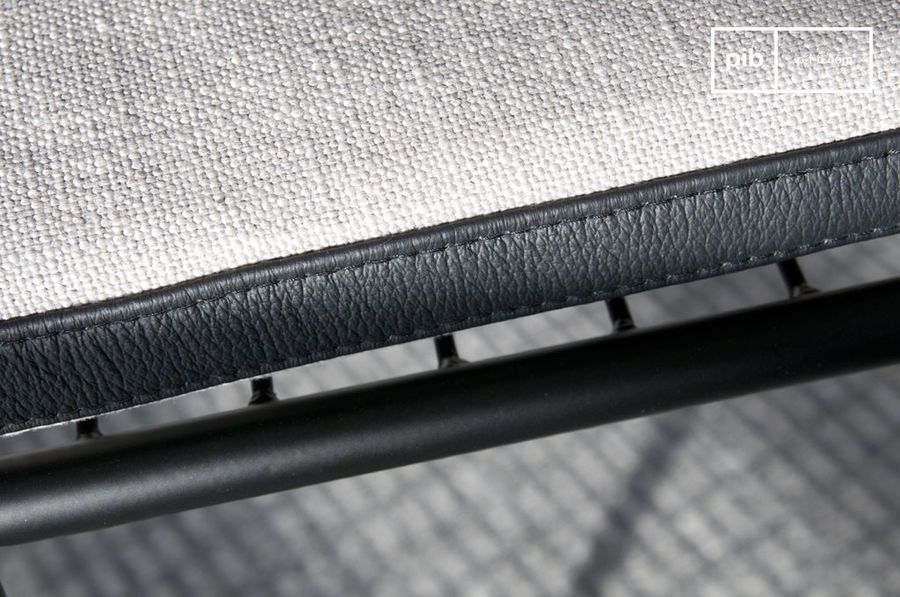
Aston armchair
-
How can you recognize a sofa inspired by 1960s design?
Look for low proportions, curved or modular shapes, expressive lines and a clear intention to prioritize relaxed seating over formal posture.
-
What materials are worth checking before buying a contemporary design sofa?
Pay attention to upholstery durability, cushion resilience, ease of cleaning and, when possible, the possibility of repairing or replacing parts over time.
-
Can a vintage-inspired sofa work in a small living room?
Yes, especially if you choose a compact modular model or a visually light design with raised legs, balanced proportions and fabrics that brighten the room.