Minimalist decor is not about emptiness: it is about editing the space so that every piece has a clear function or a real decorative value.
Warm neutrals, tactile materials and layered lighting help a minimalist room feel welcoming rather than cold.
Choose furniture with simple lines, the right proportions and, when possible, built-in storage or more than one use.
Favour durable materials, timeless finishes and quality over quantity to create an interior that ages well.
Closed storage, clear surfaces and a restrained colour palette are the keys to keeping visual harmony on a daily basis.
An interior-decorating style that leaves no room for superfluity and visual clutter, minimalist decor is being seen in more and more interiors. The aim of this trend is to favour quality over quantity by settling for the essential and simplicity. However, comfort should not be overlooked. Discover here the basics to remember in order to adopt a harmonious decoration based on « Less is more ».
Today, minimalist decor is less about creating an empty shell than about composing a soothing, intentional home. The most successful interiors combine clean lines with texture, warm light and a few carefully chosen objects so that the result feels lived-in, serene and timeless.
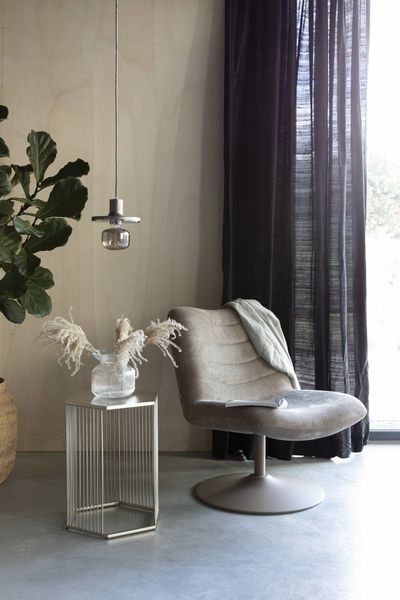
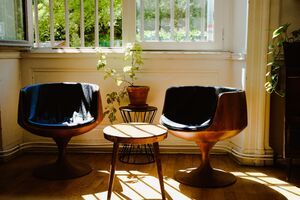
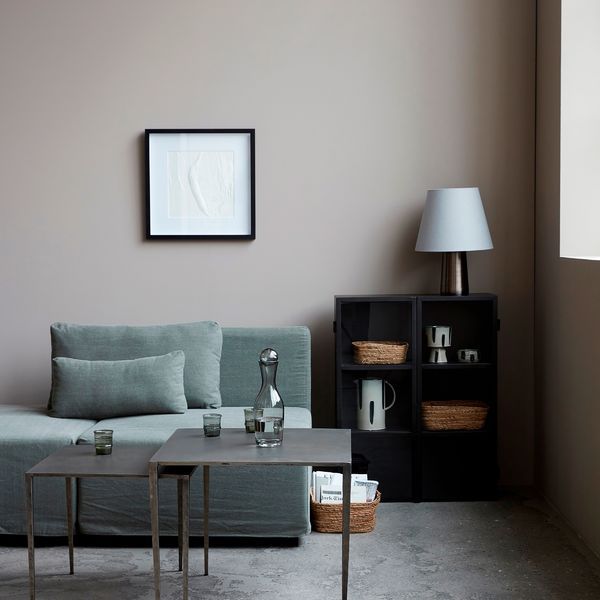
Cosy armchair in a minimalist style
The origins of minimalist decoration
In contradiction to the Pop art style that suggests colourful decoration, minimalist decoration appeared in the United States in the 1960s. A true institution, this trend has the advantage of creating a bright, uncluttered and orderly interior by favouring sobriety, neutral colours and the use of simple and practical furniture. Moreover, the minimalist decorating style goes perfectly with Scandinavian or even Zen decoration.
Its roots can also be linked to Bauhaus design and Japanese-inspired interiors, both of which value function, craftsmanship and the beauty of empty space. This heritage helps explain why minimalist decor remains so relevant today, especially in open-plan homes and multi-use rooms where visual breathing room improves everyday comfort.
The characteristics of minimalist decor
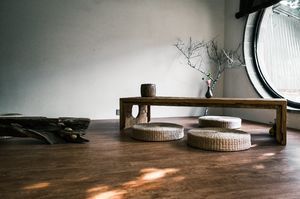
As we mentioned above, adopting a minimalist style does not mean giving up on comfort. On the contrary, the aim is to allow you to create a cocooning interior in which you can feel peace and recharge your batteries. To achieve this, the basic rule of this style is to get rid of anything that might seem superfluous or cumbersome and to adopt functional furniture that has clean lines and dimensions adapted to the space. Minimalist decorating also includes neutral colours, so white, beige and grey are preferred. However, it is perfectly possible to create a harmonious contrast by adding small touches of brighter colours. In terms of materials, the minimalist design leaves room for a wide choice. Steel, stainless steel, wood, glass, stone, concrete, acrylic or even PVC, the possibilities are numerous.
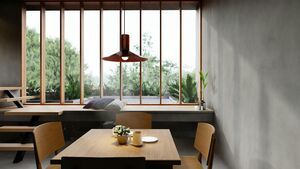
A contemporary minimalist interior often relies on contrast through texture rather than through a multiplication of colours. Matte paint, brushed wood, ribbed glass, stone, linen or wool create relief without disturbing the calm atmosphere. Lighting also plays an essential role: combine natural light with soft, indirect sources such as wall lights, table lamps or discreet LED strips to avoid a flat or clinical effect.
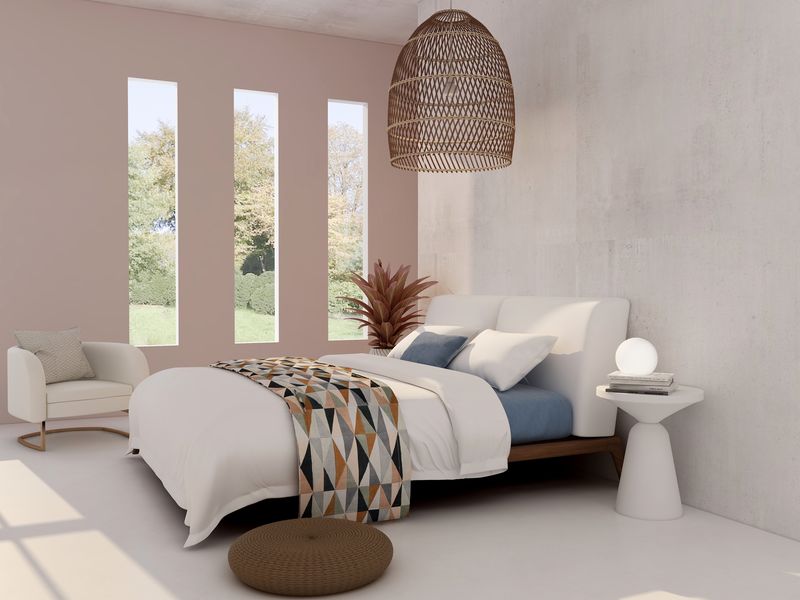
A minimalist bedroom
Choosing the right furniture for a minimalist decor
If you want to change your interior and adopt a minimalist style, there are a few rules to follow. The first is to get rid of clothes that are no longer worn, furniture that is too bulky, but also all your knick-knacks and other superfluous objects that take up unnecessary space in order to keep only the bare essentials. Once this stage has been completed, you will need to choose suitable furniture. Choose sober, chic and functional furniture that will save you a lot of space. We therefore recommend that you opt for discreet, light and timeless furniture while favouring the right materials. This will ensure that you create a modern décor that will stand up to the different trends over the seasons. Simple and rectilinear models will also prove to be perfect for creating an interior that maximises space and will thus be more to be favoured rather than those displaying curves or fantasies that might overload the room.
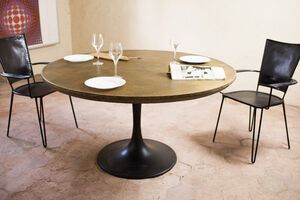
Before buying a piece, consider its scale as carefully as its style. A sofa that is too deep or a table that blocks circulation can immediately make a minimalist room feel heavier. Furniture with raised legs, integrated storage or a modular format is often a good choice because it lightens the visual volume and adapts more easily to everyday needs. This approach echoes the idea often associated with good design: "Less, but better".
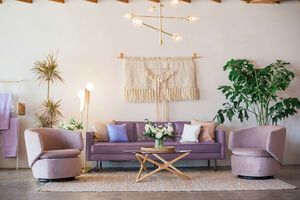
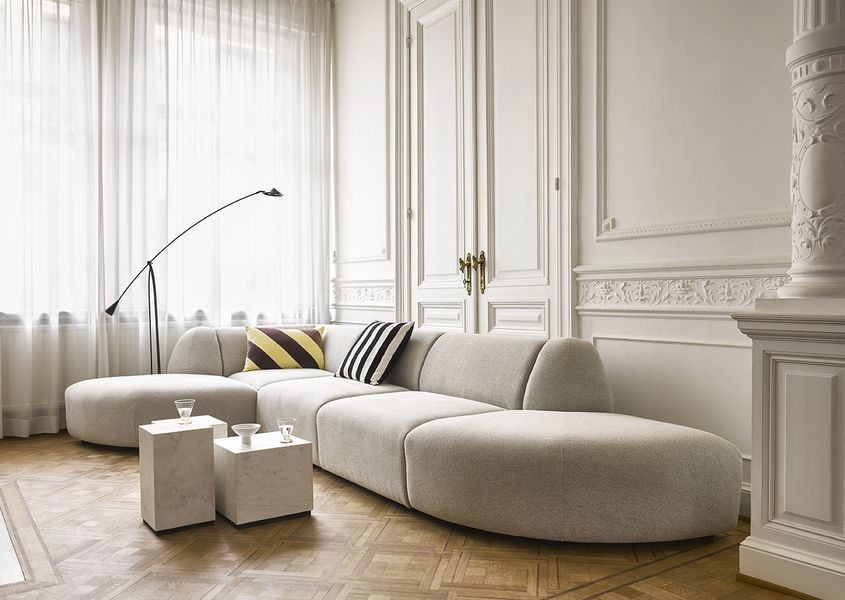
Minimalist living room
Noble materials
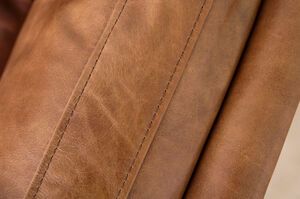
As the objective of minimalist decorating is to choose quality elements in order to keep them for as long as possible, it is important to favour noble materials and materials that will stand the test of time. Natural stone such as granite or marble can bring character and longevity in a bathroom, while good-quality porcelain or ceramic can also be relevant depending on the use, the finish and the desired maintenance level. Wood such as oak or pine is ideal for furniture, especially when finishes are easy to maintain and repair. As for textiles, cotton, wool, velvet or linen will be ideal for bed linen, curtains, sofas, cushions or even rugs.
If you want a minimalist interior to remain beautiful over the years, also pay attention to finishes: solid handles, removable covers, washable fabrics and surfaces that can be repaired are often more sensible than purely decorative effects. A reduced number of pieces generally means that each one is used more often, so durability really matters.
A functional and uncluttered interior
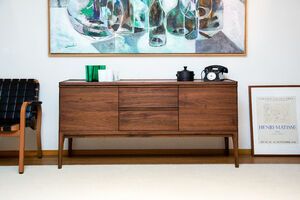
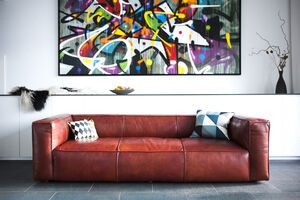
Adopting a minimalist decor doesn't necessarily mean creating an austere environment, quite the opposite. You can obviously install a few decorative objects in each room to create a universe that suits you, but avoid overloading or cluttering the space so as not to harm the visual harmony. Your everyday objects should be perfectly arranged. Therefore, opt for optimised, discreet and closed storage units. In the kitchen for example, for a chic and minimalist decor, make sure that your work surfaces are as empty as possible. In the bathroom too, to avoid a cluttered effect, beauty products should ideally be stored in cupboards or drawers. In the living room, the sofa is the central element of the room, so choose a comfortable model adapted to the dimensions of the living space. A coffee table, a TV cabinet, a sideboard or a bookcase and a few well-arranged decorative objects will then suffice to create a minimalist and trendy living room.
In practice, minimalism works best when each category of object has a dedicated place: a tray for everyday essentials in the entrance hall, concealed charging points for electronic devices, baskets for throws, and drawers fitted with organisers in the kitchen or bathroom. This type of invisible organisation reduces visual noise and makes the space easier to maintain every day.
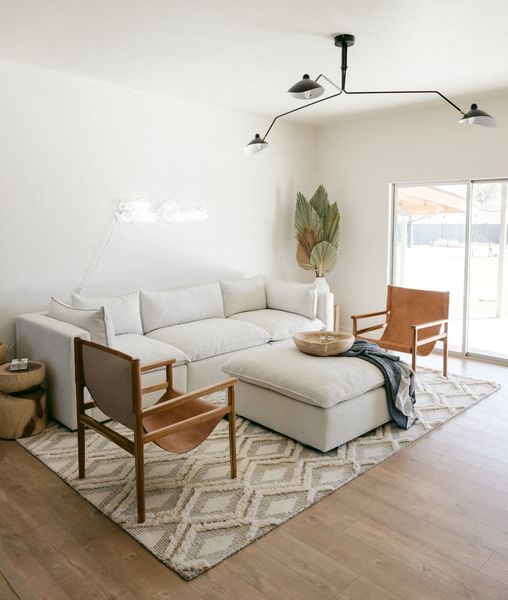
A minimalist and trendy interior
The right colours
In the minimalist style, the choice of colours is very important. If your current walls have bright colours, don't hesitate to repaint them with neutral and sober colours such as white, grey or even beige in order to give your rooms a simple but elegant look. If you are afraid of having a too impersonal decoration, you can perfectly underline some architectural elements like door frames by painting them with a colour of character like black which will not fail to give depth to your space. For the floor too, coloured or intricately patterned tiles will only overload the room. Instead, choose natural linoleum (Marmoleum), simple tiles in neutral colours or polished concrete. The latter, which is similar to marble, will allow you to bring an authentic note to your decor and will adapt perfectly to an industrial decor or a Nordic style for example. The colour of your furniture should also be carefully chosen to match the decor of each room. If you want to add small touches of colour, we recommend adding small accessories such as colourful knick-knacks or coloured textiles such as cushions, plaids or curtains. As far as the latter are concerned, natural light should be favoured as much as possible, so prefer thin curtains such as sheers for example.
To avoid a result that feels too cold, many minimalist interiors now rely on tonal variations rather than on pure white alone. Shades such as off-white, sand, greige, taupe or stone can soften the atmosphere, especially when they are repeated on the walls, textiles and furniture. When choosing paint, it is worth testing samples in daylight and in the evening, as undertones can change significantly depending on exposure. A single stronger accent, used sparingly, is generally enough to structure the room without breaking the minimalist spirit.
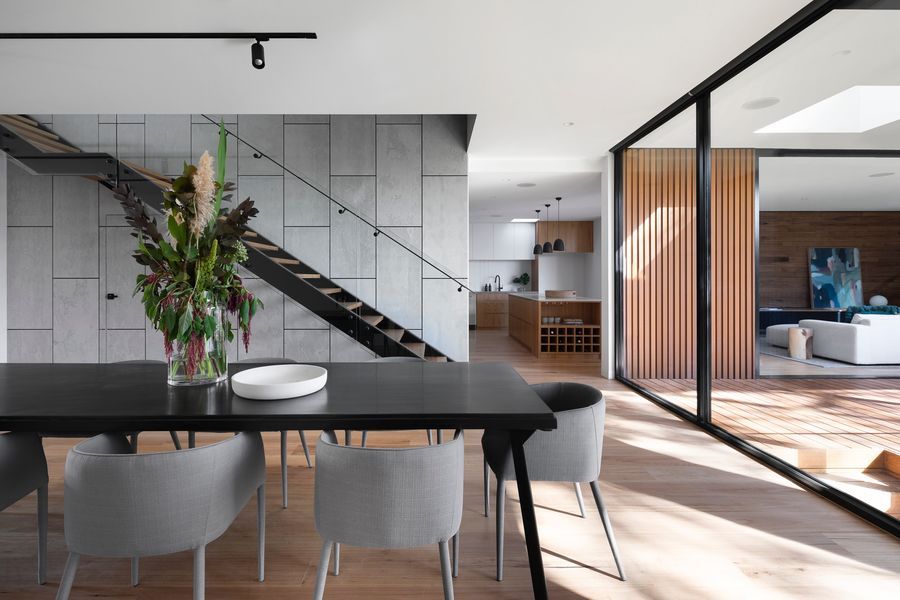
Minimalist interior
In conclusion, minimalist decoration advocates simplicity and responds to the philosophy of "Less is more". To adopt it at home and create a trendy interior, keep in mind not to clutter the rooms with superfluous items and to keep only the essential. Avoid the accumulation of objects and favour simple and functional furniture with neutral colours and quality materials that will enhance each room while providing comfort and elegance.
Ultimately, minimalist decor is a long-term approach rather than a fixed look. It encourages more deliberate choices, a better balance between beauty and utility, and a home where space itself becomes part of the decoration.
Minimalist decor FAQ
Can minimalist decor still feel warm and cosy? Yes. Warmth comes from texture, soft lighting, natural materials and a restrained palette with nuanced tones rather than from an accumulation of objects.
Which colours work best in a minimalist interior? White, beige, greige, grey, sand and other soft neutrals are reliable bases. You can then add one darker or more colourful accent in small touches for contrast.
How do you keep a minimalist room from looking empty? Focus on proportion, texture and rhythm. A few well-chosen pieces, art with breathing room around it, and layered lighting usually create more presence than many small decorative items.
Is minimalist decor compatible with family life? Absolutely, provided storage is planned carefully. Closed cupboards, baskets, benches with storage and durable materials help maintain a calm look while keeping everyday life practical.