Loft
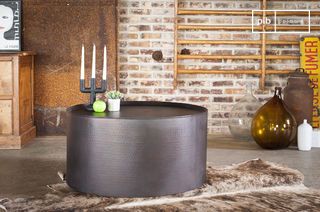
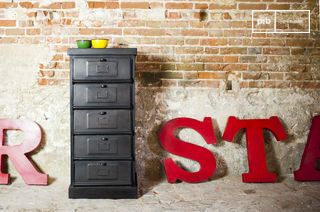
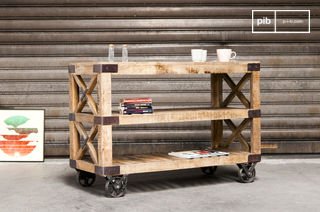
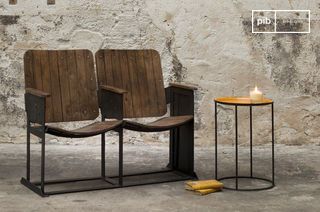
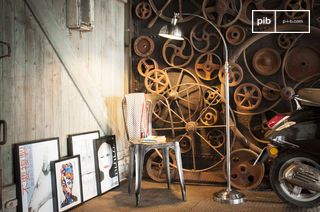
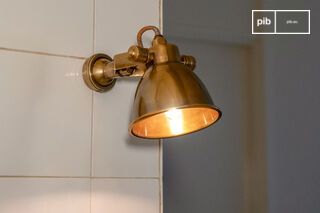
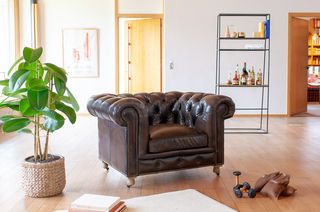
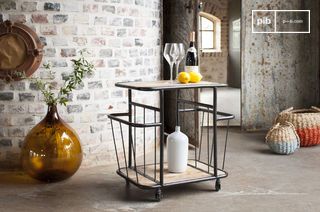
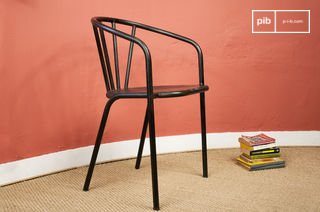
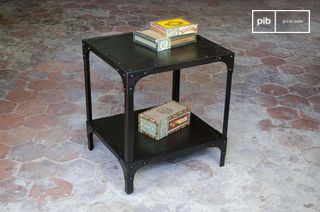
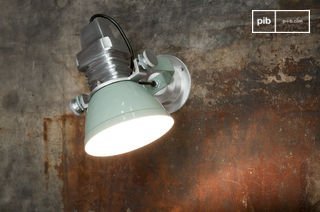
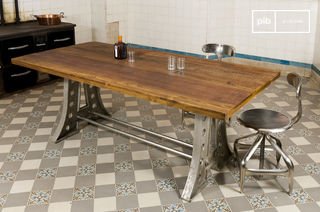
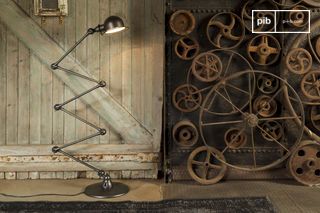
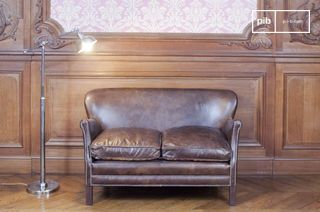
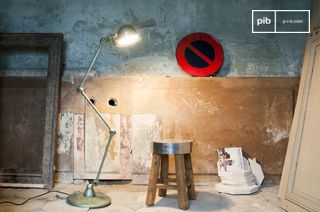
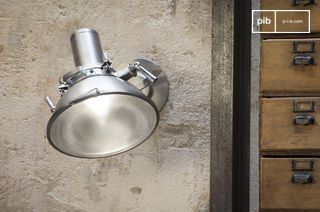
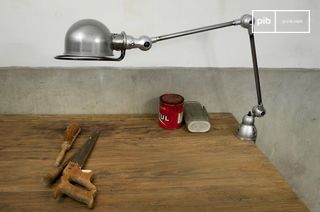
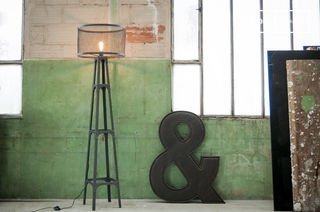
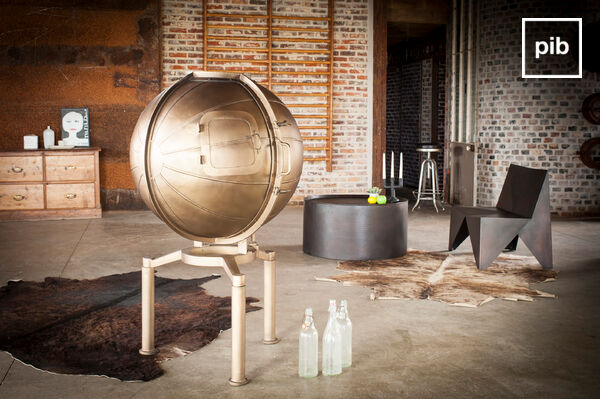
The Loft category is based on open volumes, an exposed structure and furniture adapted to high ceilings. The furniture selected responds to the constraints of circulation, scale and legibility specific to this type of space. The aim is not to compartmentalize, but to visually organize, often through the use of industrial materials, generous formats and structuring objects. Loft furniture assumes a direct relationship with architecture, composing with it rather than superimposing it.
read more >Filters
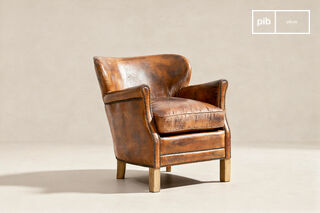
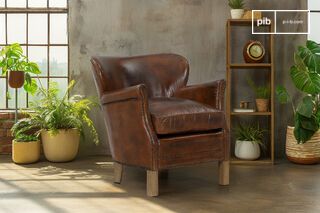
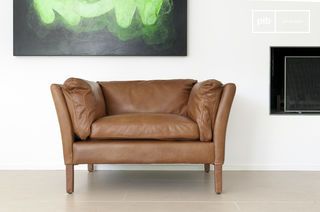
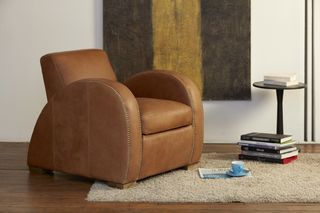
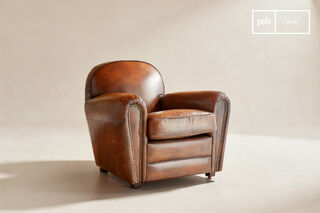
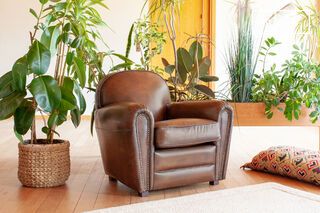
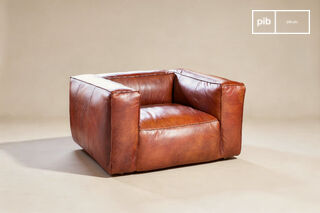
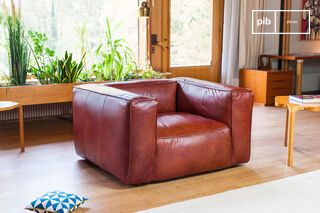
Hazelnut Full-Grain Leather ArmchairNeoturner
€895 €805-10%
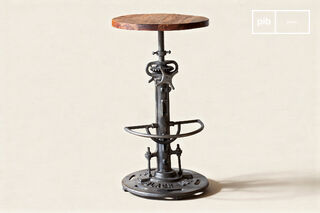
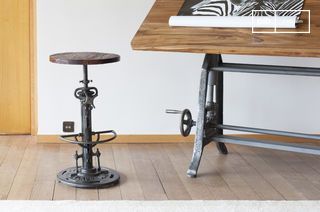
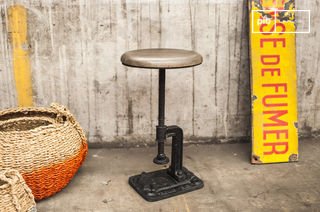
Adjustable teak high stool1928
€225 €200-10%
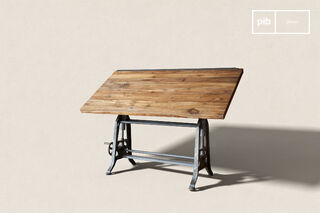
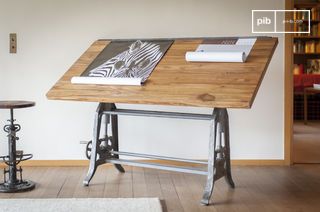
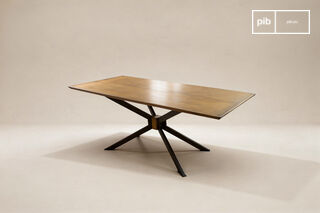
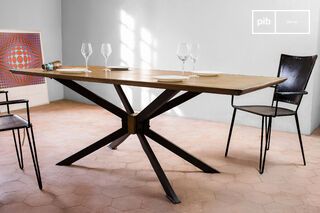
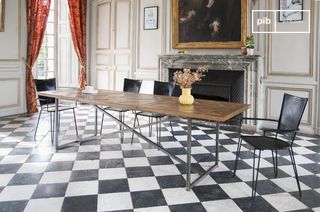
Brass dining tableLiverpool
€1495 €1300-15%
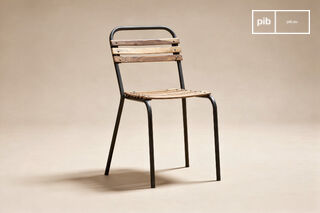
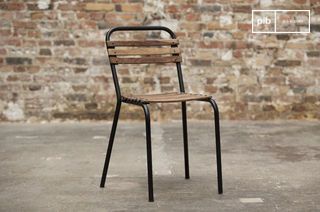
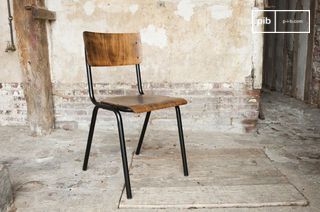
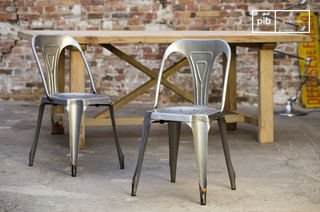
Industrial wooden chairMistral
€129 €100-20%
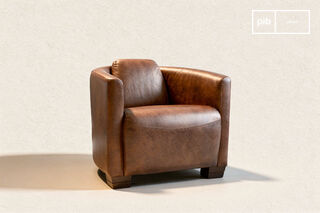
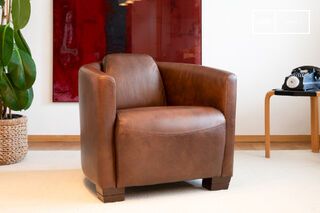
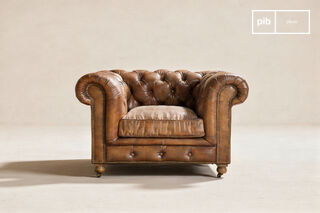
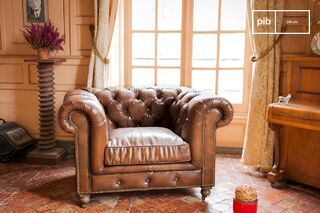
Fawn leather chesterfield armchairSaint Paul
€2680 €2400-10%
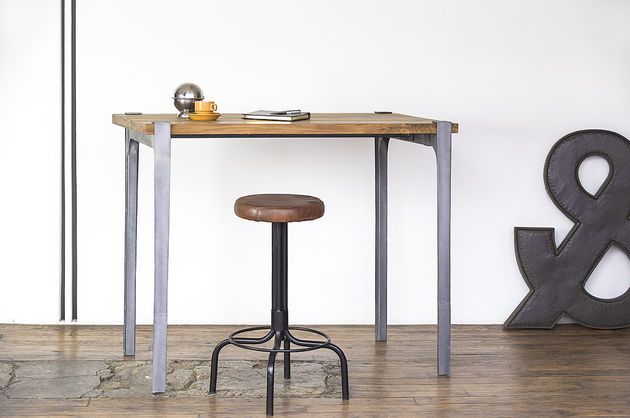
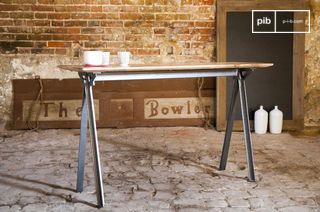
Solid wood high tableWellington
€645 €515-20%
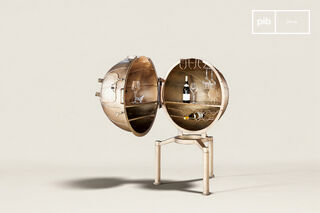
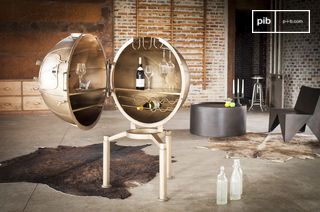
Globe barJules Vernes
€2480 €2200-10%
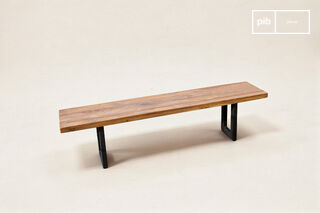
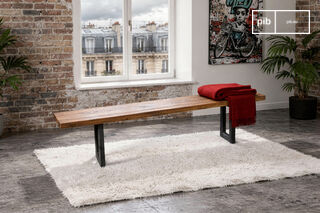
Solid wood benchPeterstivy
€370 €295-20%
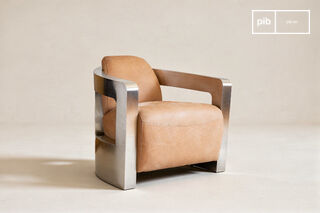
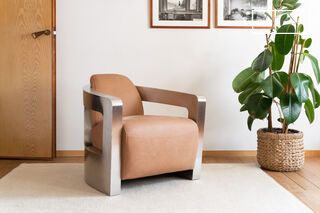
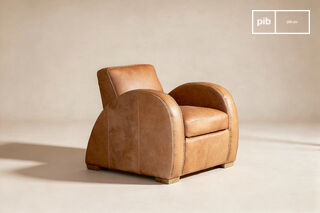
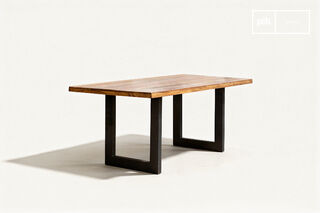
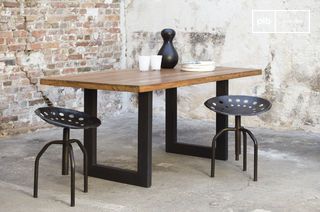
Teak wood tablePeterstivy
€795 €635-20%
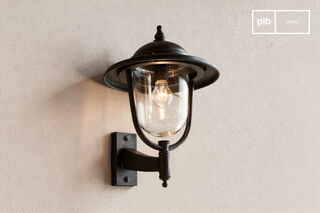
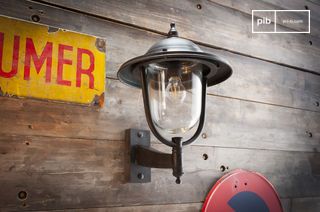
Large outdoor wall lampLizuret
€380 €300-20%
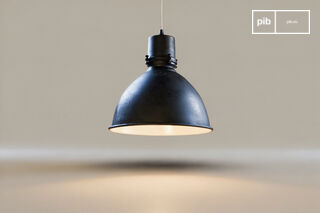
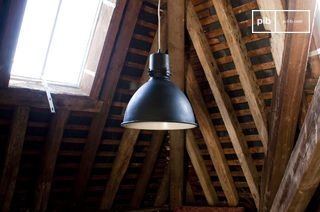
Metal factory pendant lampBlack Edition
€285 €225-20%
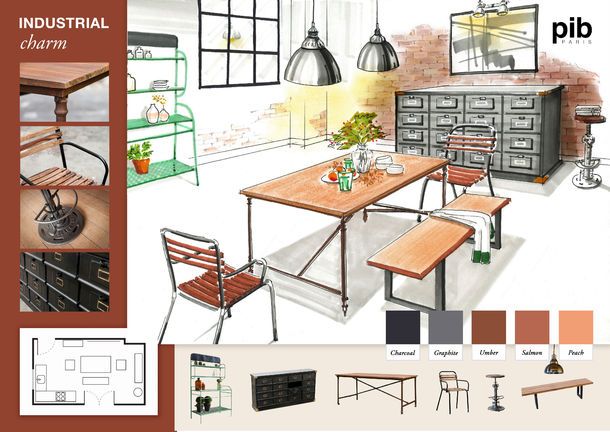
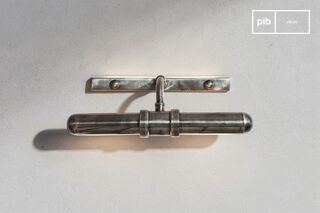
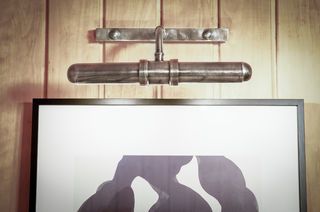
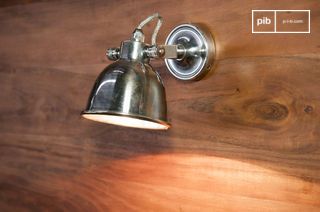
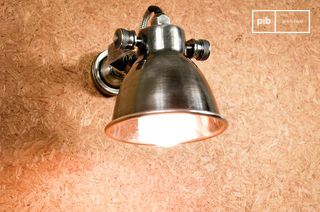
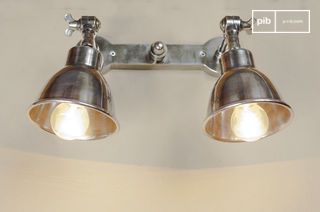
Silver 2-bulb wall lightCapitole
€190 €150-20%
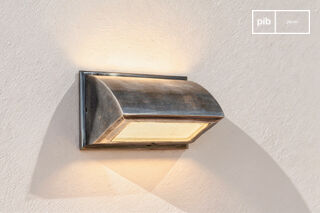
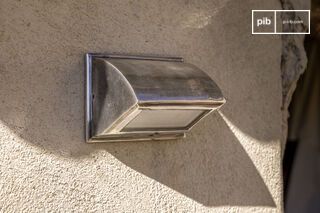
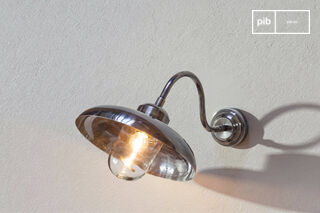
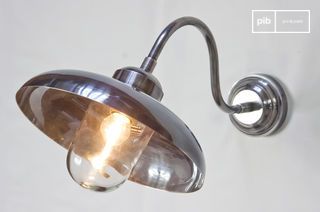
Silver exterior wall sconceMartinez
€135 €105-20%
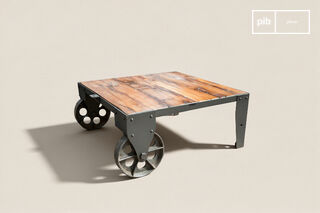
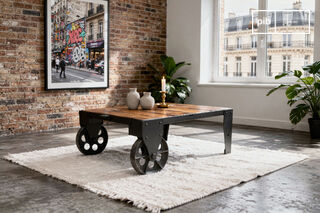
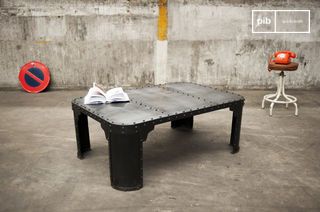
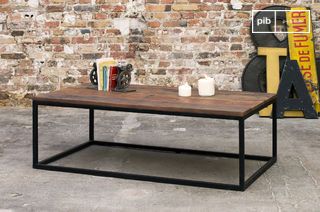
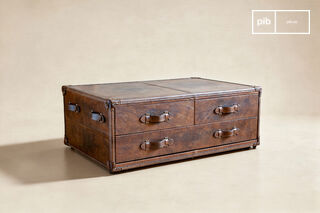
Wooden Coffee TableRailway
€530 €420-20%
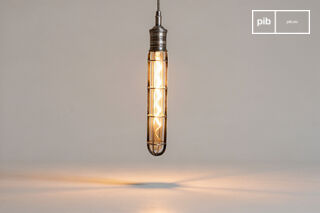
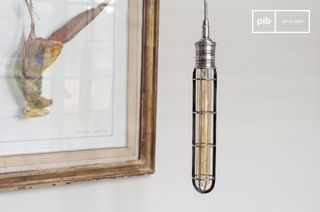
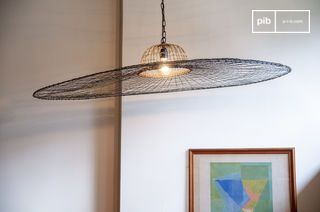
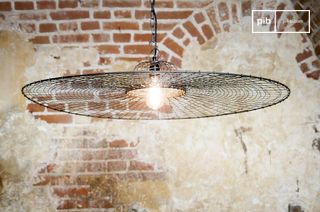
Long metal pendant lightLava
€109 €85-20%
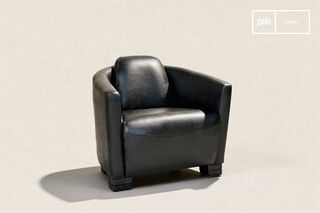
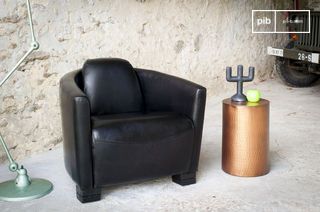
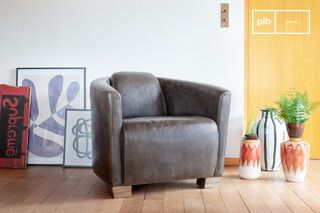
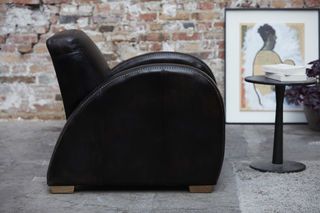
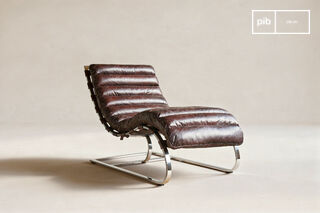
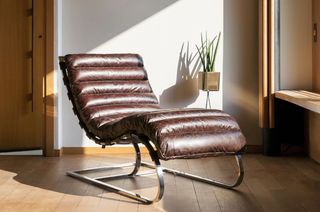
Black leather armchairRed Baron
€1280 €1150-10%
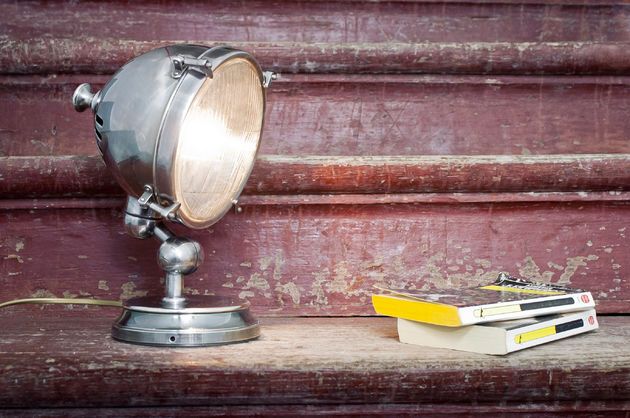
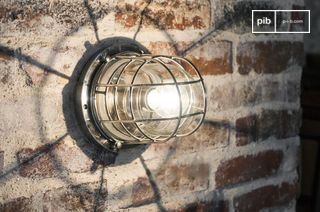
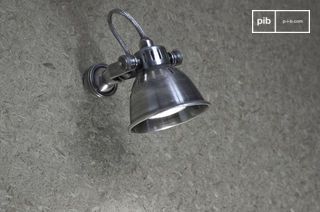
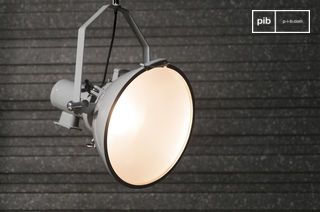
Silver metal lighthouse lampLaycock
€235 €210-10%
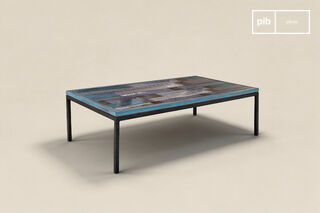
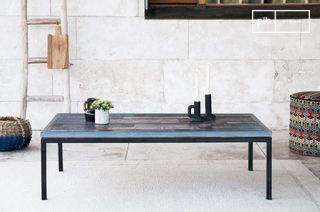
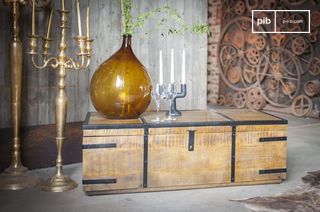
Wooden coffee tableMoriz
€495 €445-10%
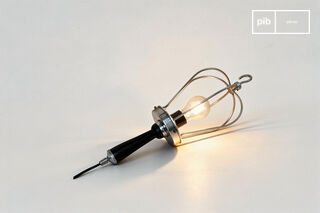
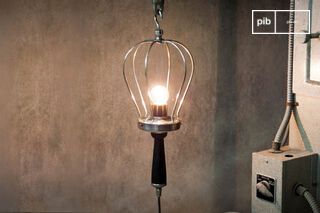
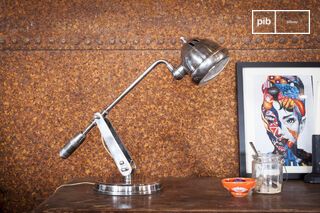
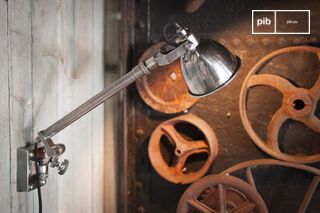
Metal factory work lightLerwick
€135 €120-10%
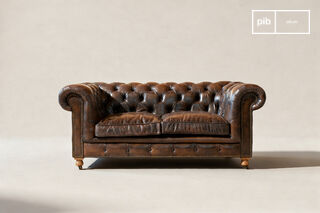
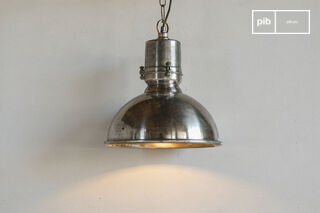
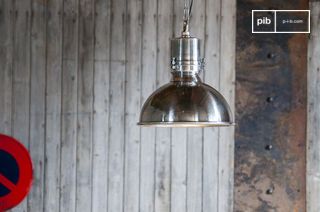
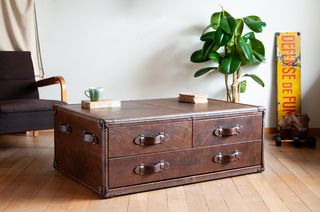
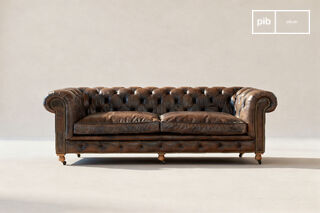
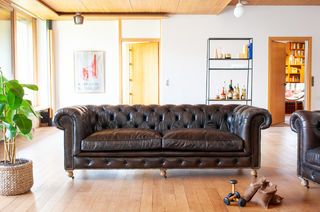
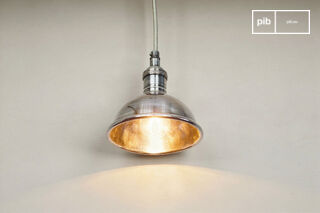
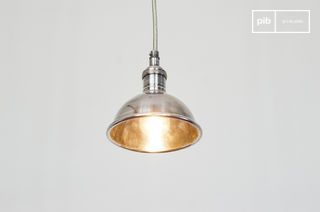
Small silver-plated pendant lampOlivia
€95 €85-10%
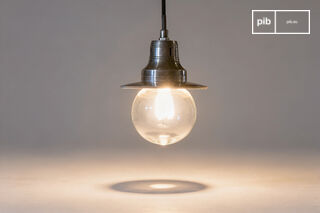
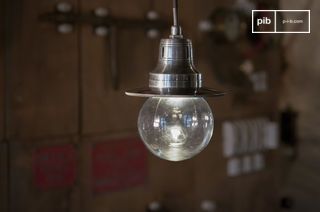
Silver hanging lampCharlie
€119 €105-10%
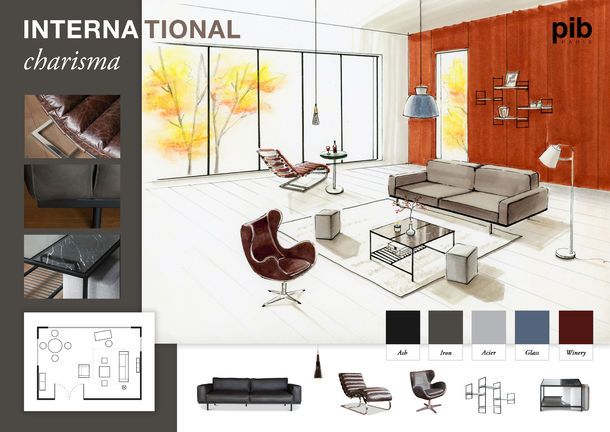
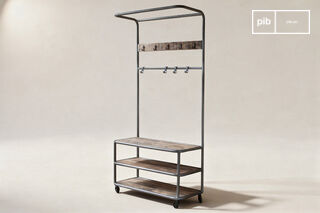
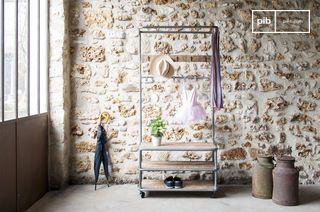
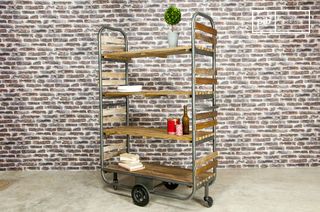
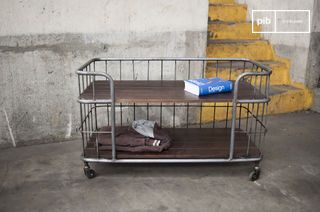
Wooden rolling wardrobeMidtown
€565 €505-10%
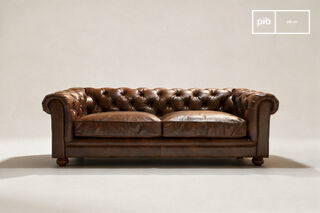
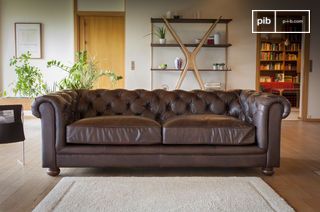
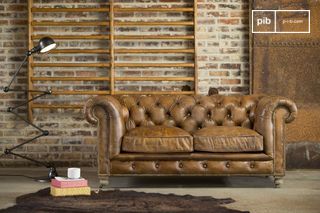
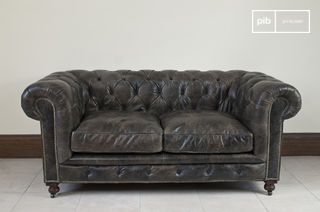
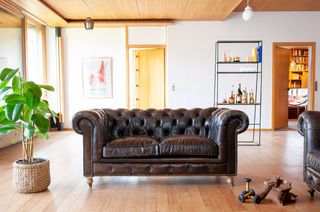
Large leather Chesterfield sofaWeston
€3980 €3150-20%
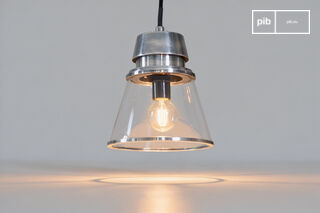
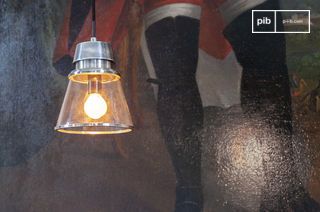
Glass pendant lightBeatrix
€125 €110-10%
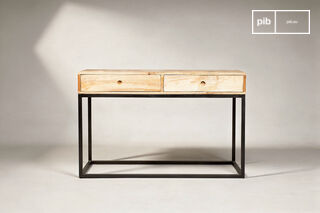
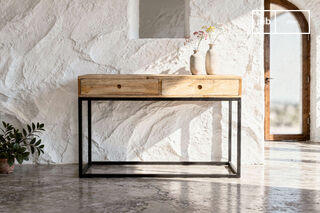
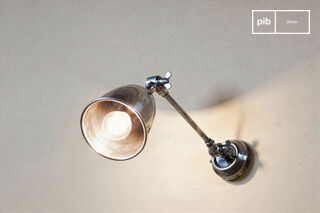
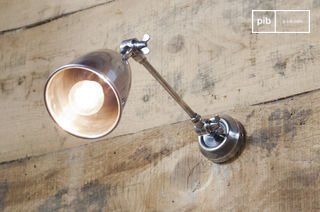
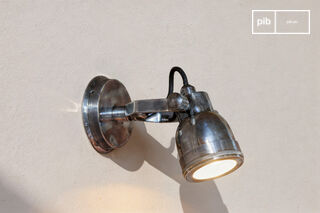
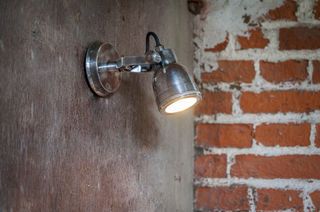
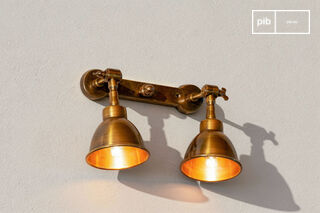
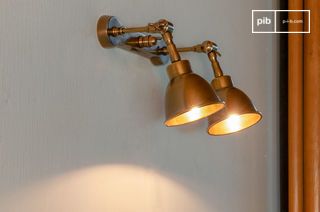
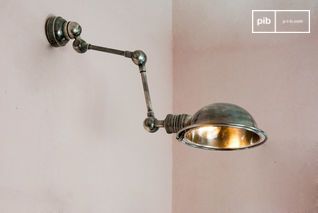
Double aged brass wall sconceBistrot
€139 €115-15%
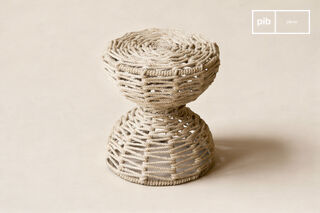
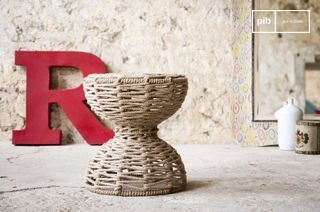
Beige braided jute stoolArpillera
€110 €95-15%
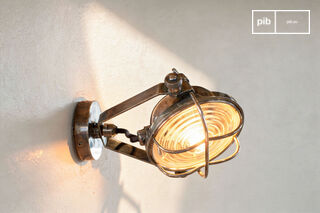
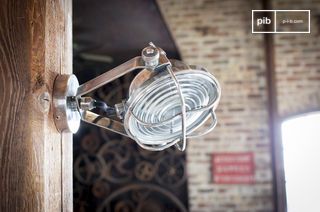
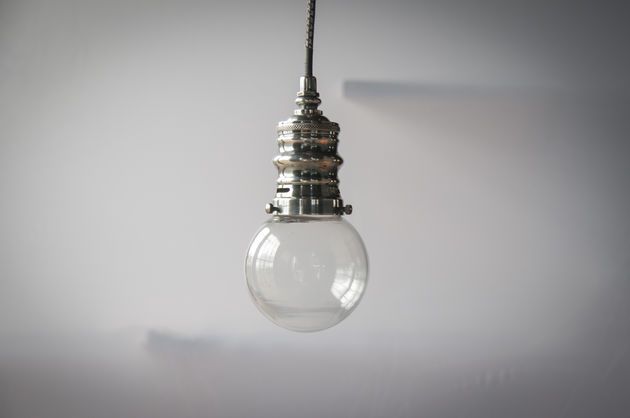
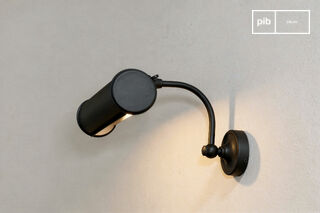
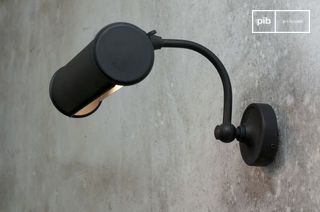
Matte black picture wall lightBlack Factory
€119 €95-20%
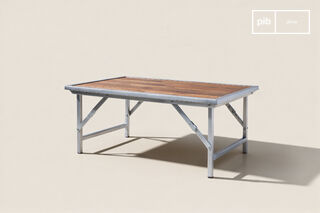
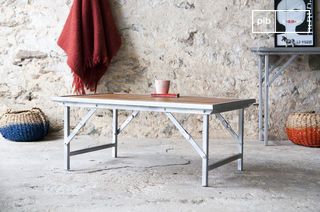
Teak coffee tableBollène
€455 €360-20%
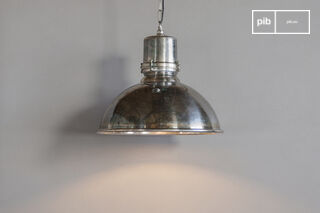
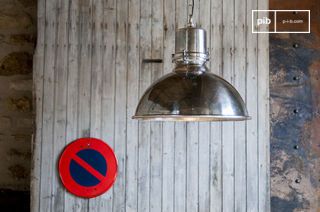
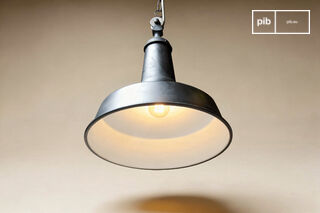
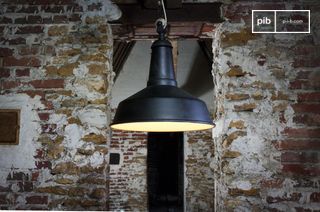
Black metal suspension lightBlack Factory
€250 €200-20%
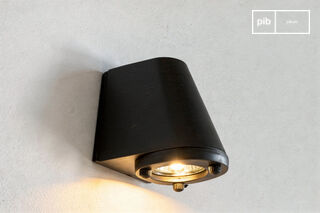
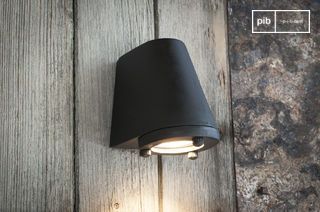
Black metal outdoor wall sconceAix
€139 €110-20%
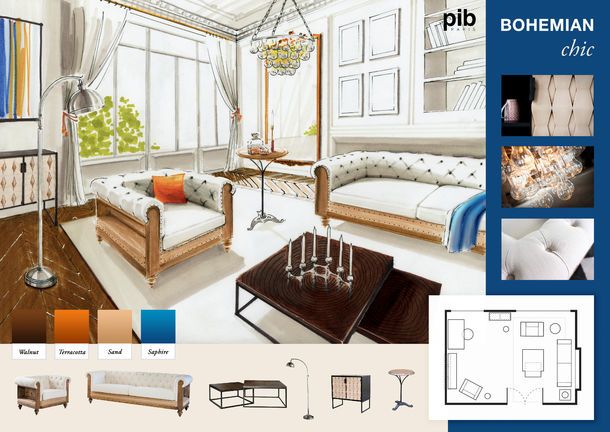
Teak consoleBollène
€480 €380-20%
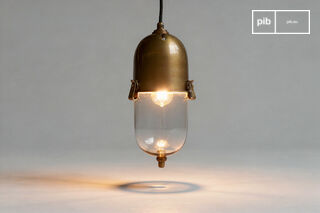
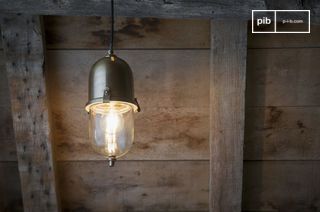
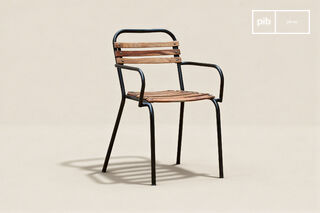
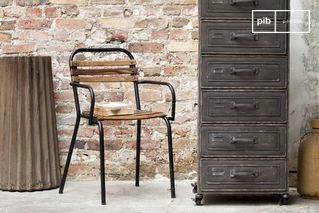
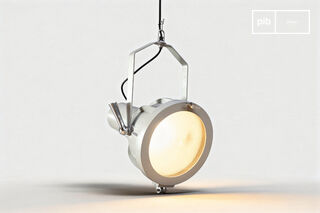
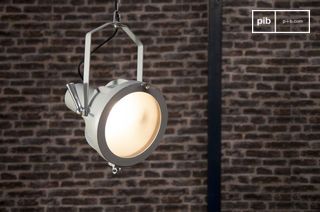
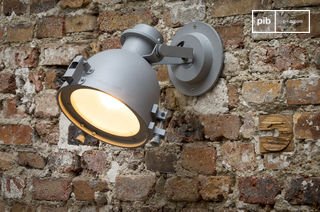
Gray industrial spotlightWeissmüller
€245 €195-20%
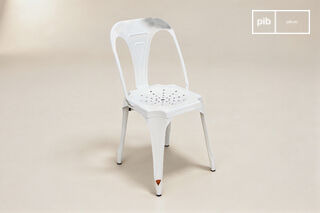
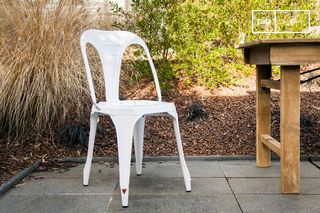
White chairMultipl'S
€125 €110-10%
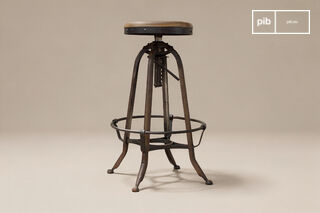
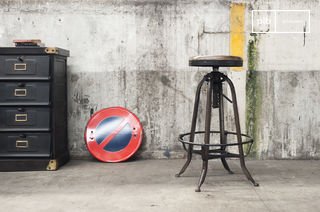
Solid wood bar stoolNouveau Western
€175 €140-20%
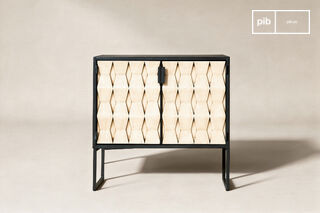
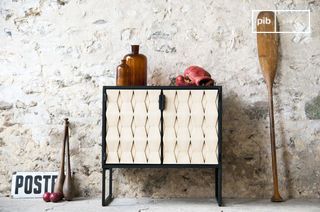
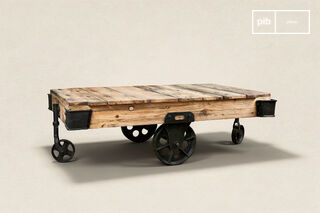
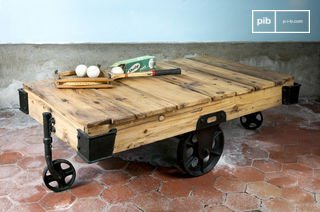
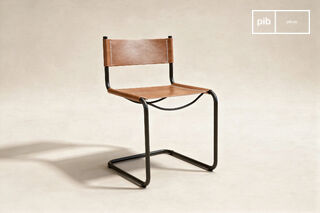
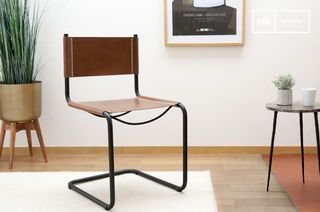
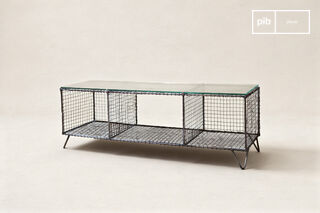
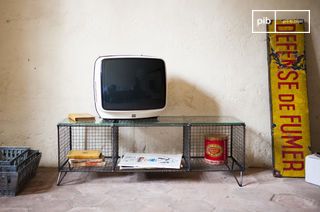

Furniture and layout logic in a Loft space
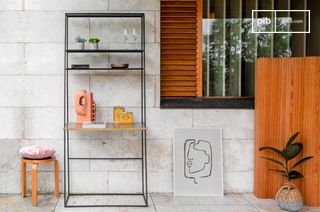
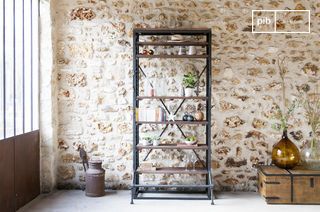
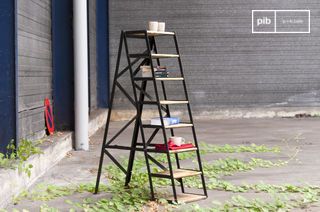
The Loft style derives from spaces originally designed for industrial use. It retains marked structural characteristics: high ceilings, lack of partitioning, exposed beams, brick walls or rough surfaces. Furniture must adapt to these spatial constraints by structuring without compartmentalizing. Furniture is often large so as not to get lost in the volume. Seating, tables and storage units act as visual markers, sometimes combining functions and uses. In a Loft, a piece of furniture can also act as a divider without interrupting the reading of the space, for example an openwork shelf or a dangle sofa.
Materials and shapes adapted to Loft aesthetics
Loft-style furniture relies on a palette of materials consistent with the architectural environment: metal, leather, solid wood, concrete or thick glass. These materials are selected not for their decorative effect, but for their ability to dialogue with existing surfaces. Metal, often black or raw, finds an echo in visible structures such as staircases or datelier windows. Wood, in its simplest finishes, brings a point of balance to cold surfaces. The lines are generally clean, the formats ample. This helps maintain a legible scale in rooms where walls and ceiling don't create strong visual boundaries.
Optimizing an open volume without overloading it
A Loft space can quickly lose coherence if objects don't fit into a clear hierarchy. To avoid dispersion, furniture must organize circulation while respecting the continuity of the gaze. The challenge is to work in zones without introducing fixed partitions. This requires well-positioned furniture, controlled heights and a measured use of accessories. Lighting plays a part in this reading, highlighting certain focal points or accompanying transitions between uses. Finally, repeating or recalling certain materials can create a useful visual rhythm in an otherwise fluid space.
Loft furniture doesn't seek to fill but to structure. It composes with emptiness and exploits volumes, keeping a constant eye on use and material coherence.
The Loft furniture doesn't seek to fill but to structure