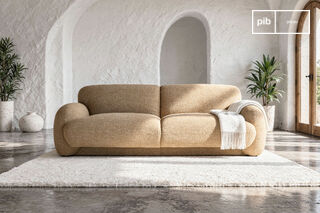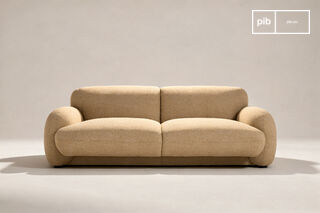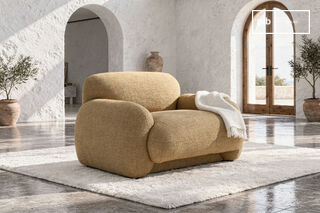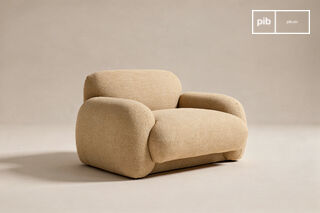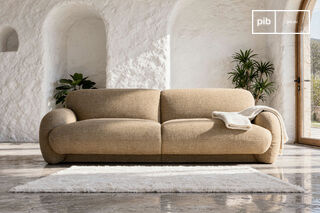
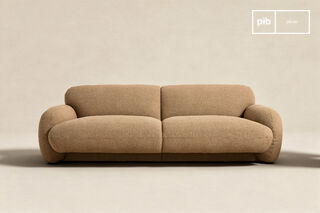
Yuma 3-seater sofa in camel textured fabric
€2280.00
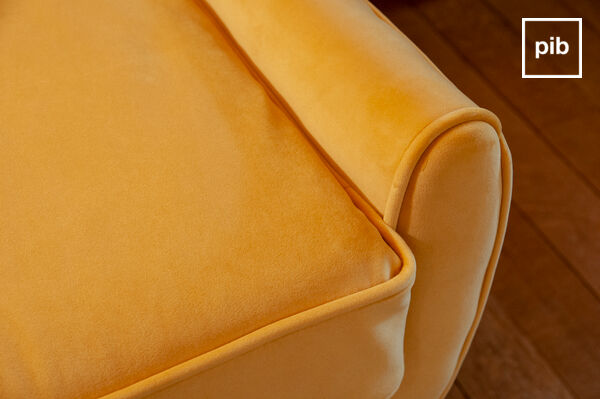

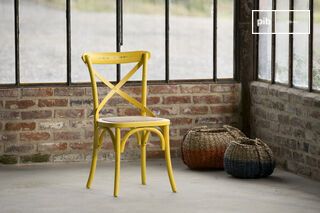
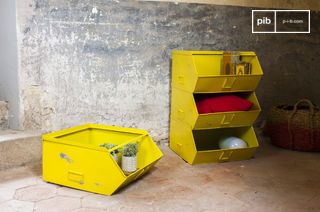
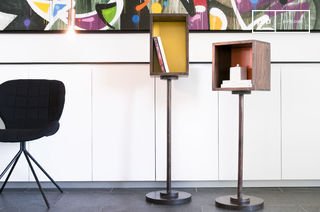
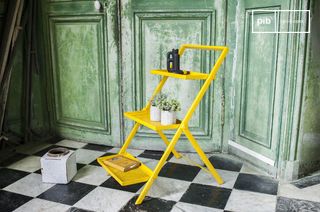
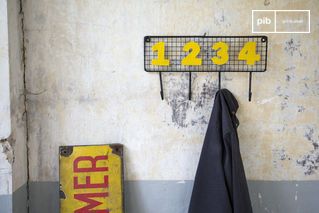
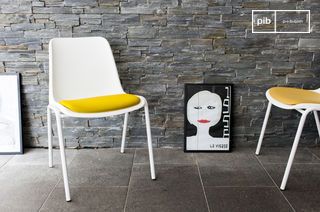
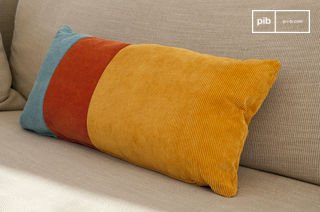
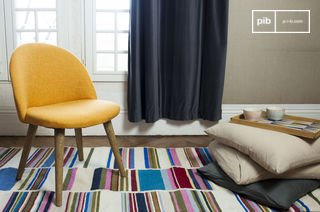
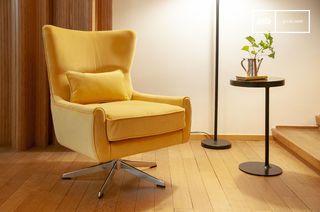
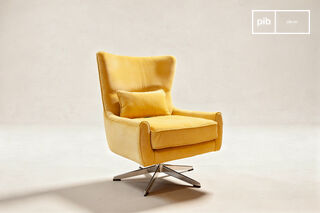
Yellow introduces immediate visual tension. Its use in furniture must therefore be precise and limited. Placed on a seat, furniture door or intermediate module, it acts as a signalling point. This color has a direct influence on the way a volume is read: it attracts the eye first, even if the furniture is small. In a neutral or monochrome room, yellow creates a stable reference point.
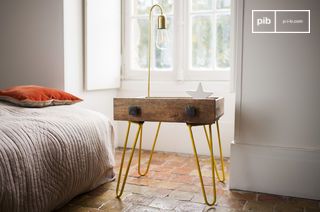
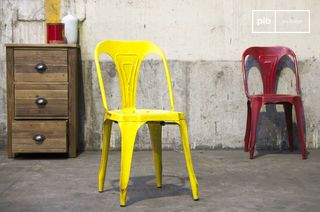
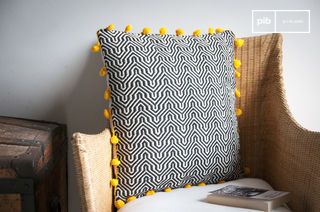
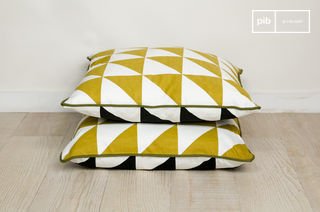
The nature of the material used modifies the perception of the same shade. A yellow applied to painted metal will have a direct brilliance, enhanced by a smooth surface. On textiles such as linen or wool, the color will be partially absorbed, producing a more diffuse saturation. Matt finishes limit glare, while retaining sufficient intensity to structure the room. The choice of a pale yellow or a brighter yellow depends on the lighting context: abundant natural light or directed spot lighting. This factor determines the intensity needed to maintain a good visual balance.
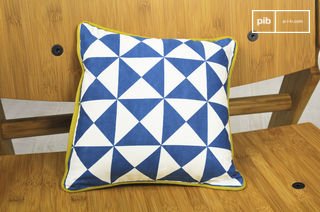
Integrating yellow furniture means organizing space around it. This type of piece needs to be legible, but not fragment the overall harmony. We recommend pairing it with stable materials: raw wood, concrete, ceramics, thick linen. Yellow also works in contrast with darker tones, such as anthracite grey or deep blue. In an open space, several yellow elements should be distributed along different axes to avoid an unbalanced concentration. The important thing is to maintain continuity between color, material and use, with no isolated decorative effect.
The *Yellow* category brings together furniture where color acts as a spatial and functional lever. It introduces a landmark or rhythm into a sober interior, without overloading the whole with chromatic excess or decorative effect.
The *Yellow* category brings together furniture where color acts as a spatial and functional lever