Living room tables
Living room tables structure the space between the seats and encourage everyday uses: putting down a book, a tray, or marking a circulation. The choice of rectangular, square or round format depends on the layout of the furniture and the surface area available. A coffee table can be made of wood, glass, metal or a combination of materials to match the existing environment. Its height is deliberately kept low to maintain coherence with the surrounding furniture. It connects, organizes and stabilizes the room without imposing a single direction on the layout.
read more >
Filters
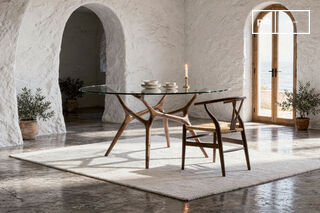
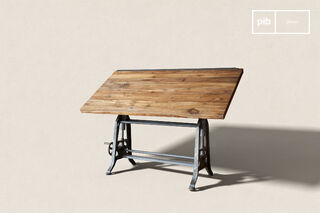
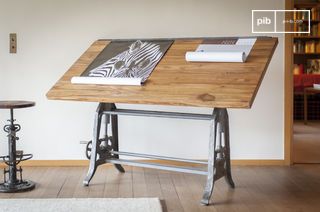
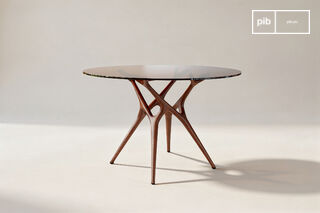
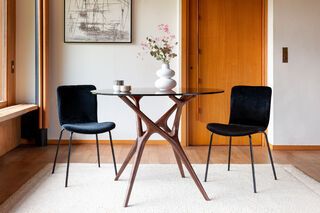
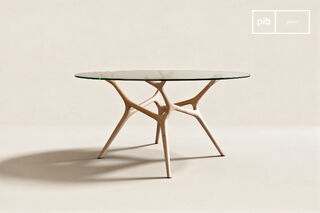
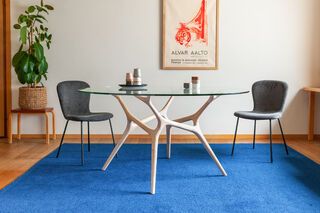
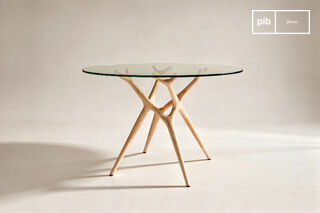
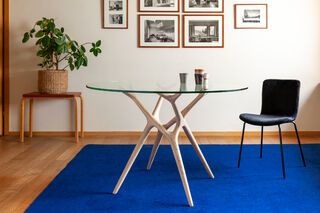
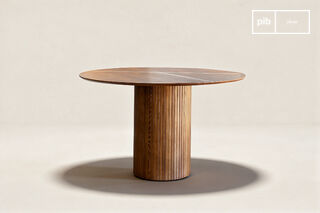
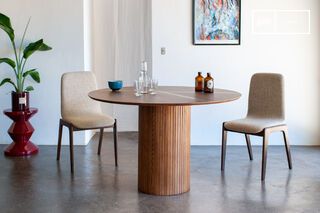
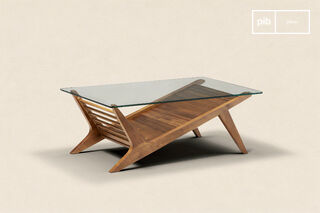
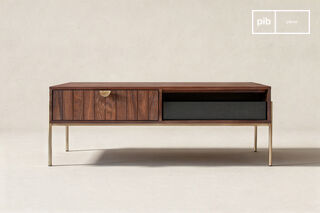
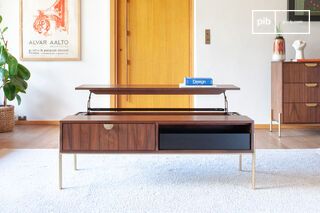
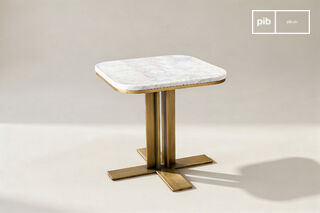
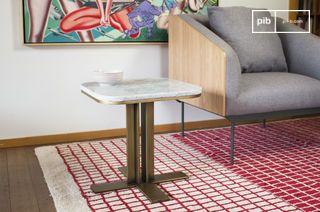
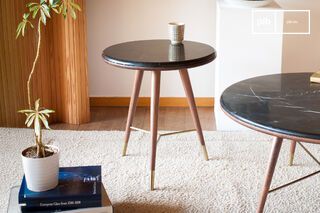
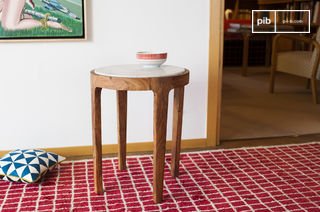
White marble side tableCarrera
€485 €385-20%
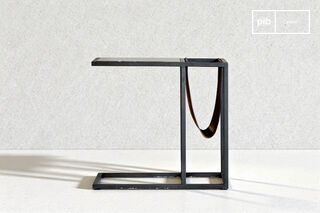
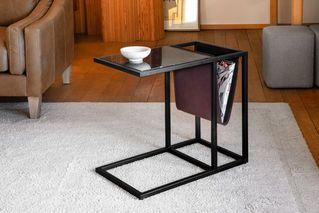
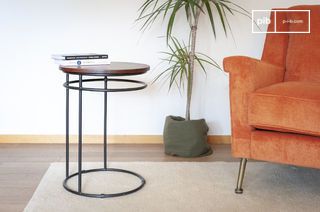
Marble magazine tableNoora
€325 €260-20%
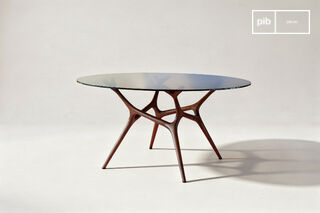
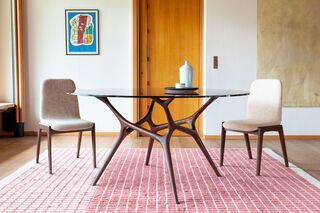
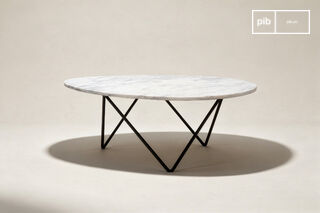
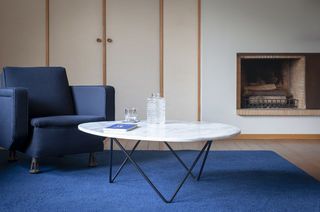
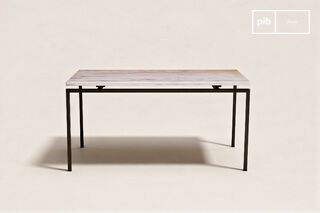
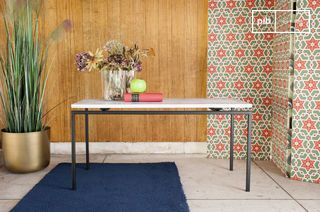
White marble coffee tableVarmalio
€365 €290-20%
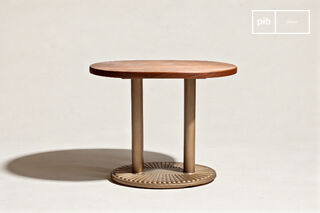
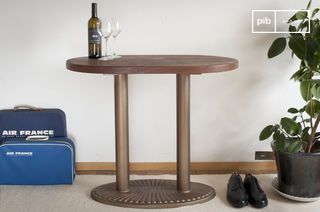
Small oval wooden dining tableWashington
€580 €460-20%

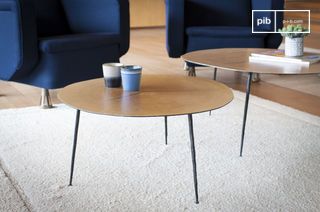
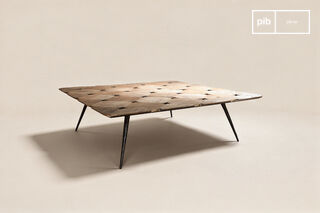
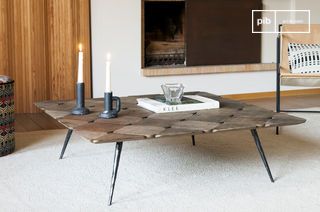
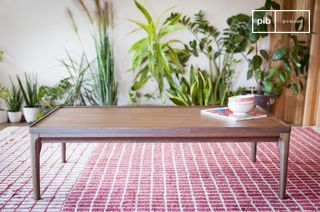
Large elm wood coffee tableLincoln
€985 €785-20%
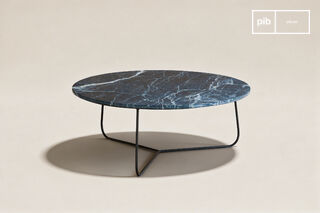
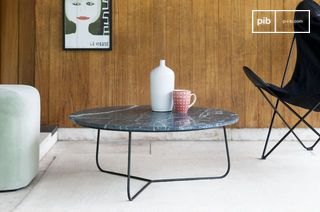
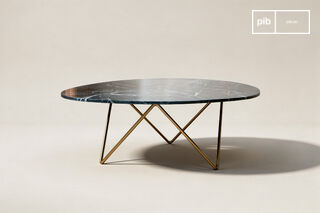
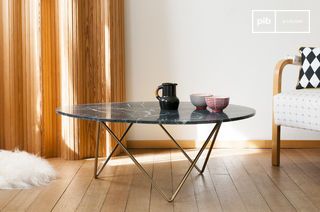
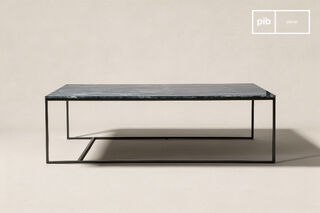
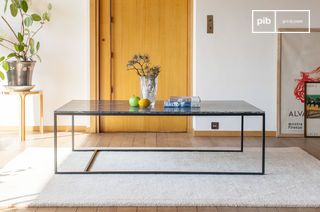
Green marble coffee tableVertü
€595 €535-10%
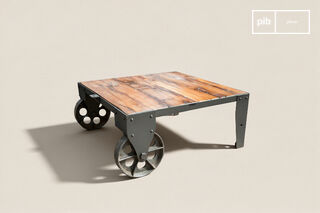
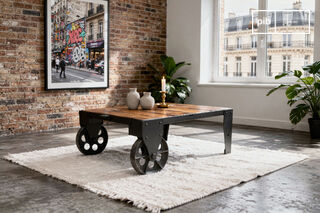
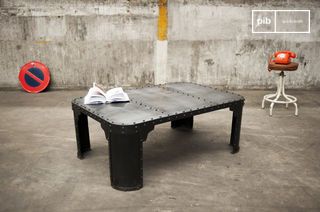
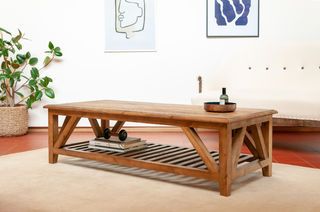
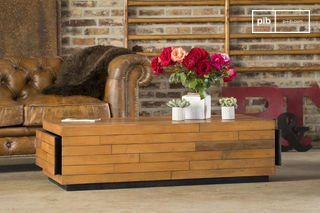
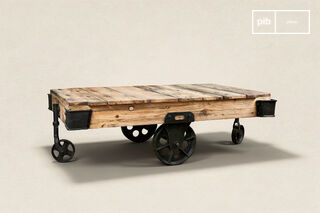
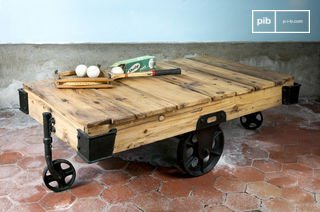
Wooden Coffee TableRailway
€530 €420-20%
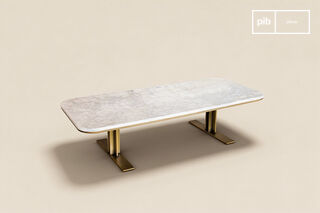
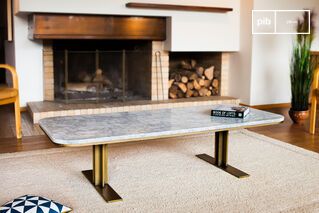
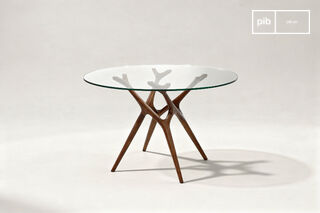
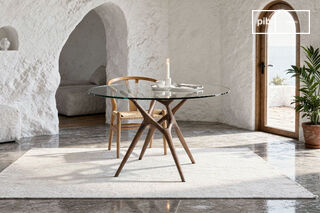
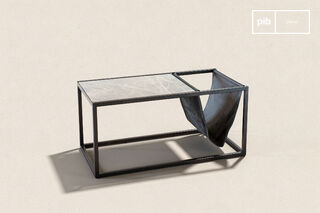
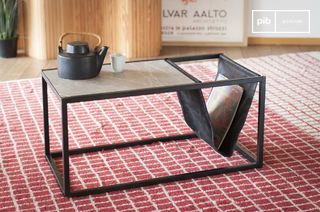
Stone magazine holder coffee tableIbiza
€365 €325-10%
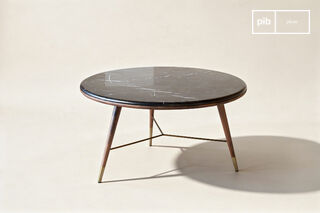
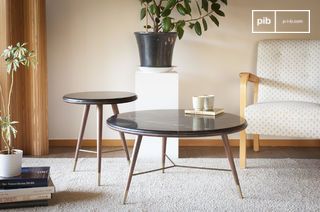
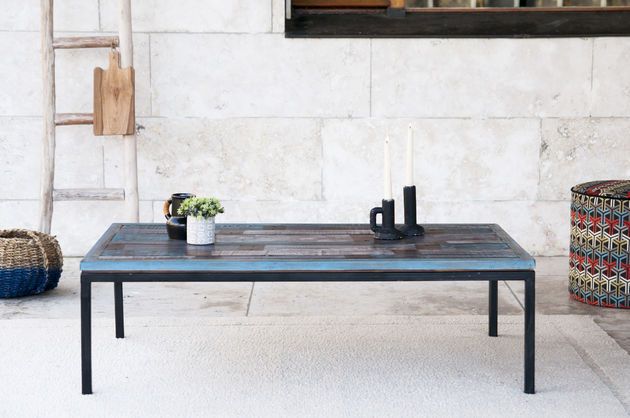
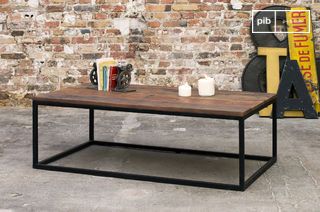
Wooden coffee tableMoriz
€495 €445-10%
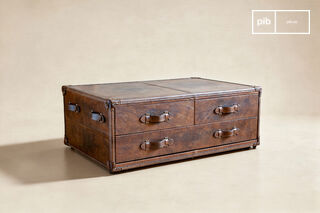
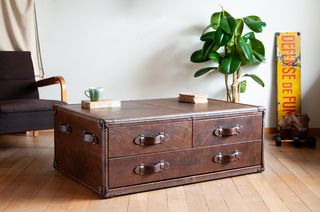
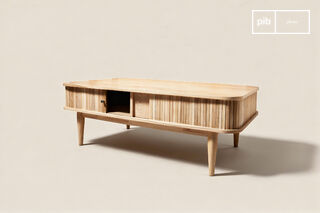
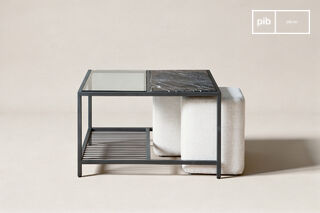
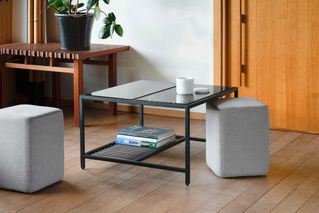
Marble coffee table with poufsNoora
€560 €450-20%
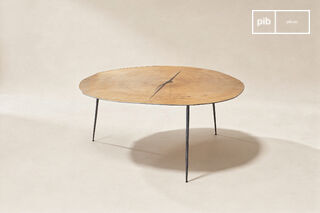
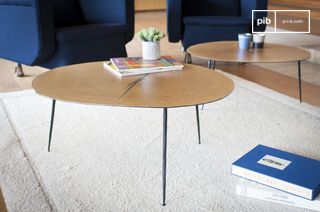
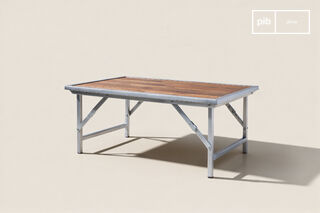
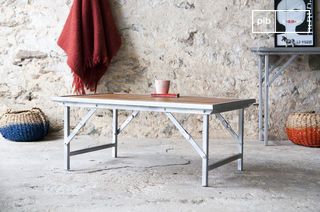
Teak coffee tableBollène
€455 €360-20%
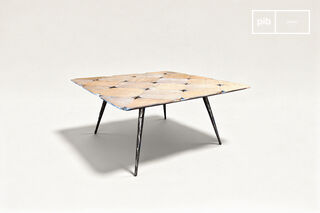
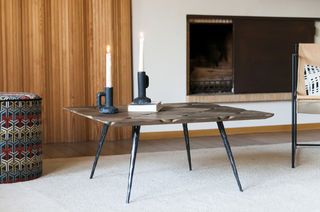
Elm wood coffee tableLincoln
€785 €625-20%
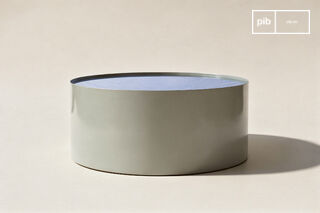
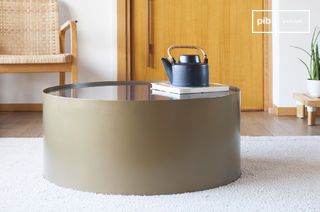
Round marble coffee tableDickinson
€995 €795-20%
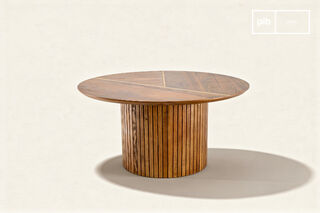
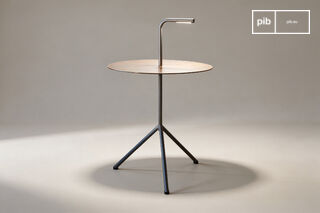
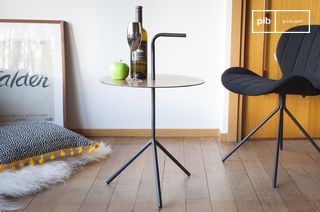
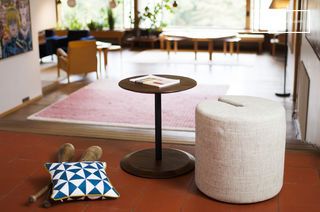
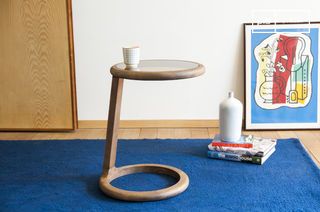
Portable table with handleXylème
€295 €235-20%
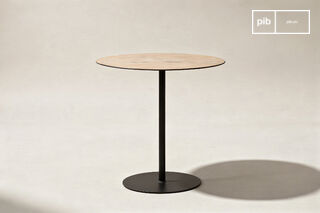
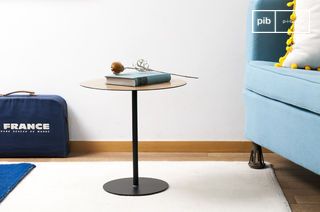
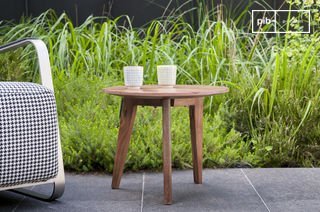
Small round side tableXylème
€260 €205-20%
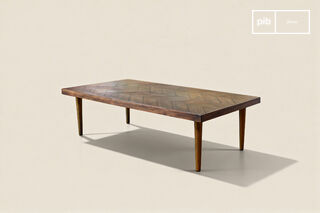
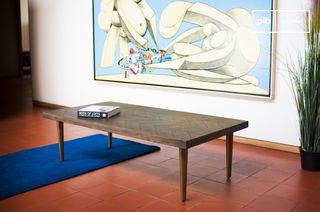
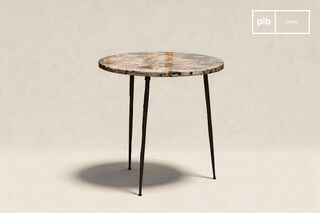
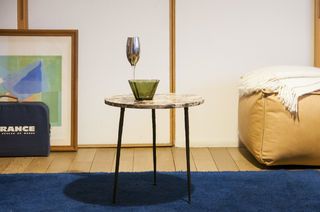
Marble side tableVilma
€250 €200-20%
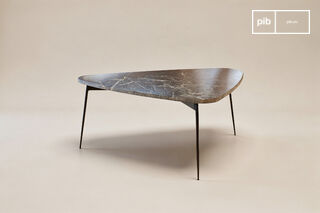
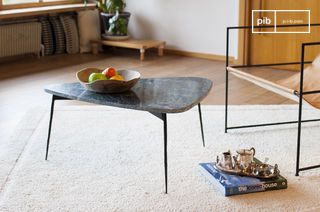
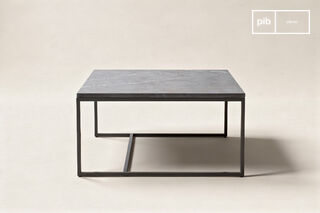
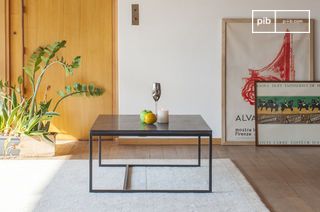
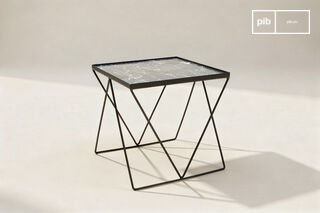
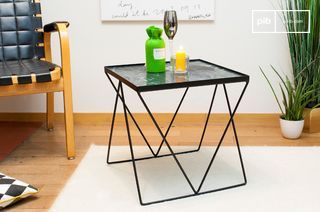
Small green marble tableBumcello
€260 €230-10%

Spatial and functional role of a coffee table
The coffee table plays a central role in seating, in a space often shared between relaxation, reception and circulation. It serves as a support for everyday objects such as books, mugs and remote controls, but also plays a structuring role in the overall layout. It organizes the room around a low point, sets landmarks without blocking lines of sight, and facilitates exchanges between the different seating areas.
The coffee table is generally designed at a reduced height, between 30 and 45 cm, in order to align visually with sofas, armchairs or banquettes. This height allows comfortable use without dominating space. It also avoids visual breaks and ensures continuity in the horizontal reading of the furniture. The choice of height must therefore be consistent with the rest of the layout, especially if several types of seating are used together.
Typologies, shapes and possible configurations
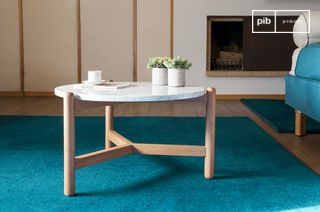
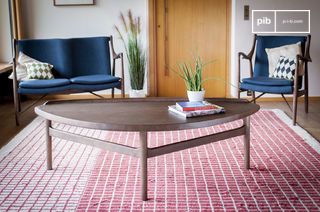
The diversity of shapes means that tables can be adapted to different configurations. A rectangular model fits well in an elongated room or opposite a linear sofa. A square table reinforces centrality in a symmetrical space. Round or oval models soften circulation, eliminating protruding angles in busy lounges or open areas.
In terms of layout, it's recommended to keep a clear space around the table, ideally between 40 and 60 cm, to allow fluid movement and simultaneous use of seating. This rule maintains the balance between functionality and visual breathability. The volume of the table should neither overload nor under-equip the room. It functions as an articulation between the various elements, without being decorative in itself.
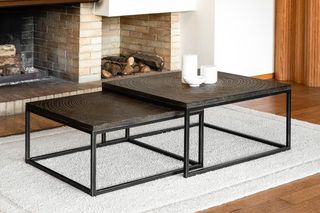
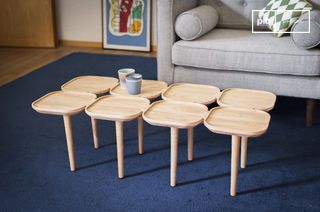
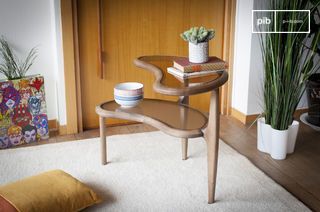
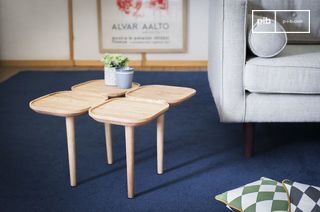
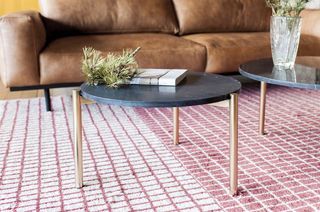
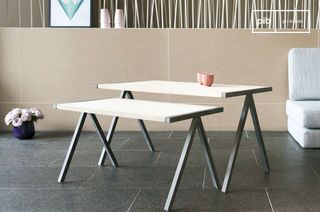
Some living-room tables are presented as a duo or as a modular composition: two complementary heights, superimposed shapes or juxtaposable elements. This solution makes it possible to adapt use to different times and needs, without having to multiply the number of pieces of furniture. It also promotes flexibility in multifunctional spaces.
Materials and visual effects
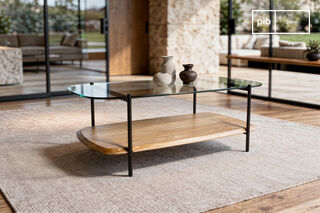
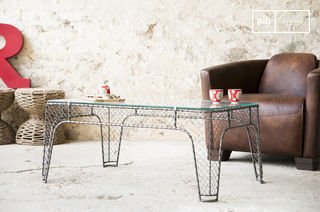
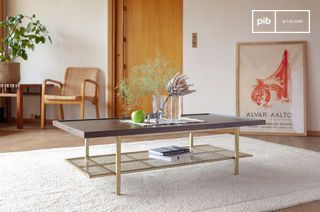
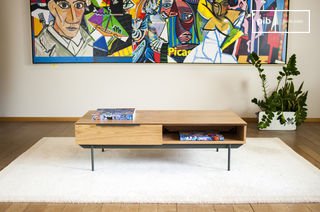
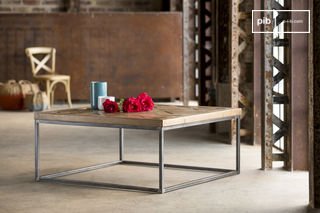
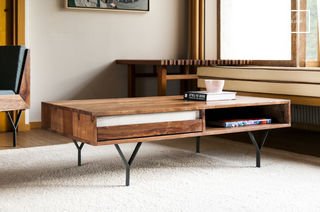
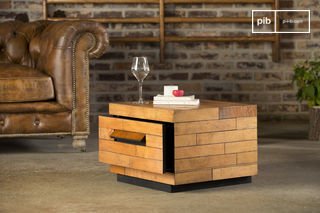
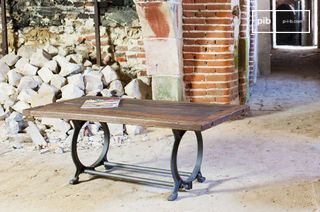
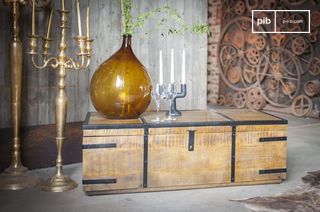
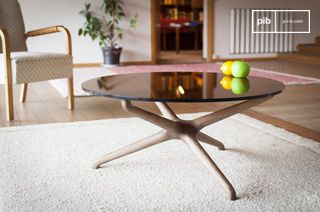
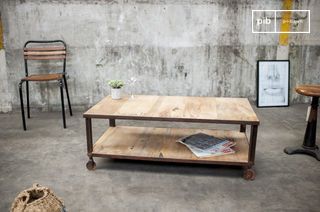
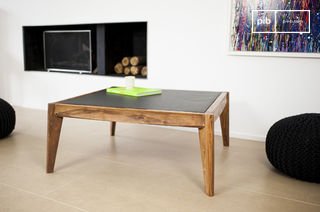
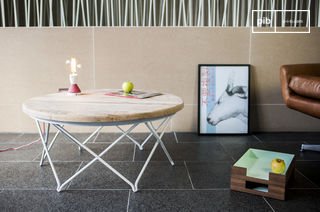
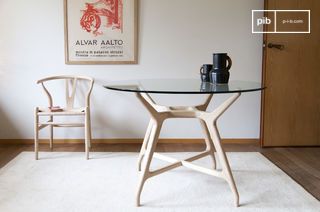
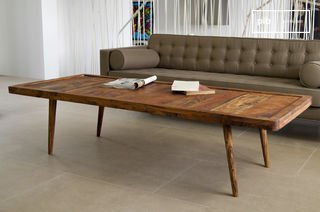
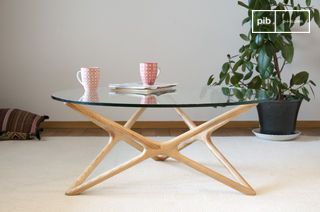
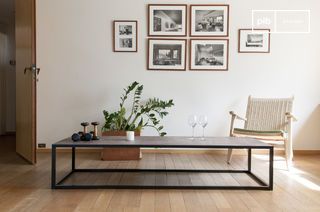
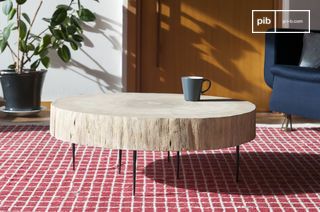
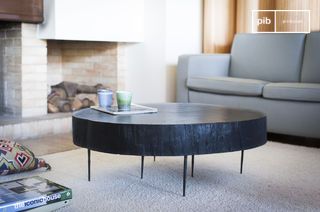
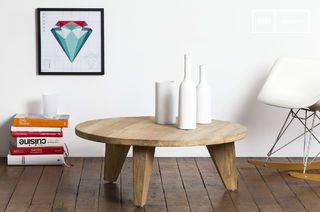
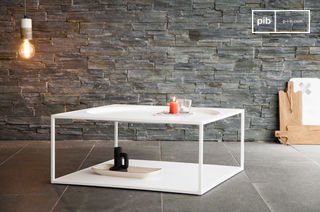
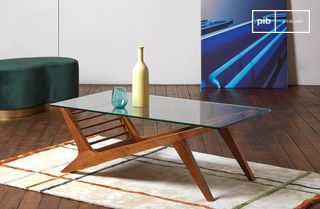
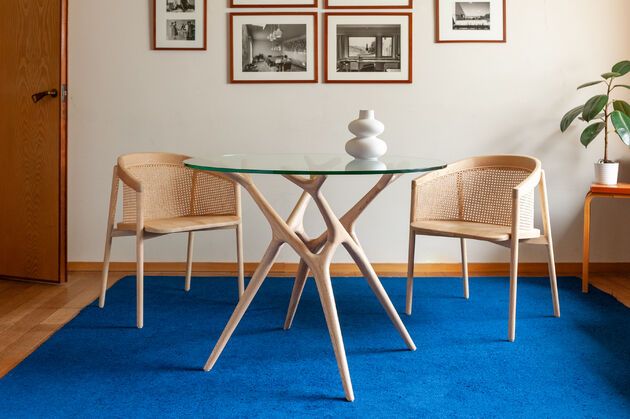
The choice of material has a direct influence on how the room is read. Solid wood, for example, introduces a strong presence and sensitive texture. It is well suited to sober living rooms where the table plays a dancering role. Glass, on the other hand, lightens the overall effect, revealing the floor, carpets or low structures. This transparency is useful in small or already furnished living rooms. Metal gives structure to a light or graphic base, often combined with a wood or stone top.
Some tops are made of ceramic, terrazzo or composite concrete. These materials introduce more pronounced textures, sometimes mineral or granular. They modify the interaction with light and create visual contrasts depending on the environment. The choice then depends on the role you wish to assign to the table: discreet support or visible surface.
The link between the table and the rest of the furniture can be asserted or attenuated. A table can pick up the color of an adjacent piece of furniture or introduce a sharp contrast. The aim is always to maintain overall coherence without duplicating effects. The table doesn't stand alone: it reads its immediate environment.
Choosing a coffee table means thinking in terms of layout, circulation and visual coherence. This unobtrusive yet central piece of furniture must respond to concrete constraints while supporting the overall reading of the room.